
Hearing the words inpatient care mental health can send a chill through your body. Many people picture locked doors, scary scenes from movies, or losing control of their life. That image is far from what most modern inpatient units are like.
Inpatient care is really about three things: safety, stability, and a fresh start. It is short term, 24/7 support in a hospital or treatment center for people who need more help than outpatient therapy can give. That might be because of suicidal thoughts, self harm, severe mood swings, or not being able to stay safe at home.
This guide walks through what inpatient care is, who it can help, what daily life on a unit looks like, and how to decide if it might be the right step. The goal is simple: lower the fear, clear up confusion, and help you feel more prepared if you or someone you love ever needs this level of care.
If you are reading this with a knot in your stomach, you are not alone. Take a breath. You deserve information that is honest, kind, and easy to understand.
What Is Inpatient Mental Health Care and How Does It Work?
Inpatient mental health care is a higher level of treatment than regular office therapy. It takes place in a hospital or a specialized mental health unit, where staff are present day and night.
It is usually short term, often a few days to a couple of weeks. The focus is to help someone get through a crisis, feel safer, and build a plan for care after they leave.
Simple definition of inpatient mental health treatment
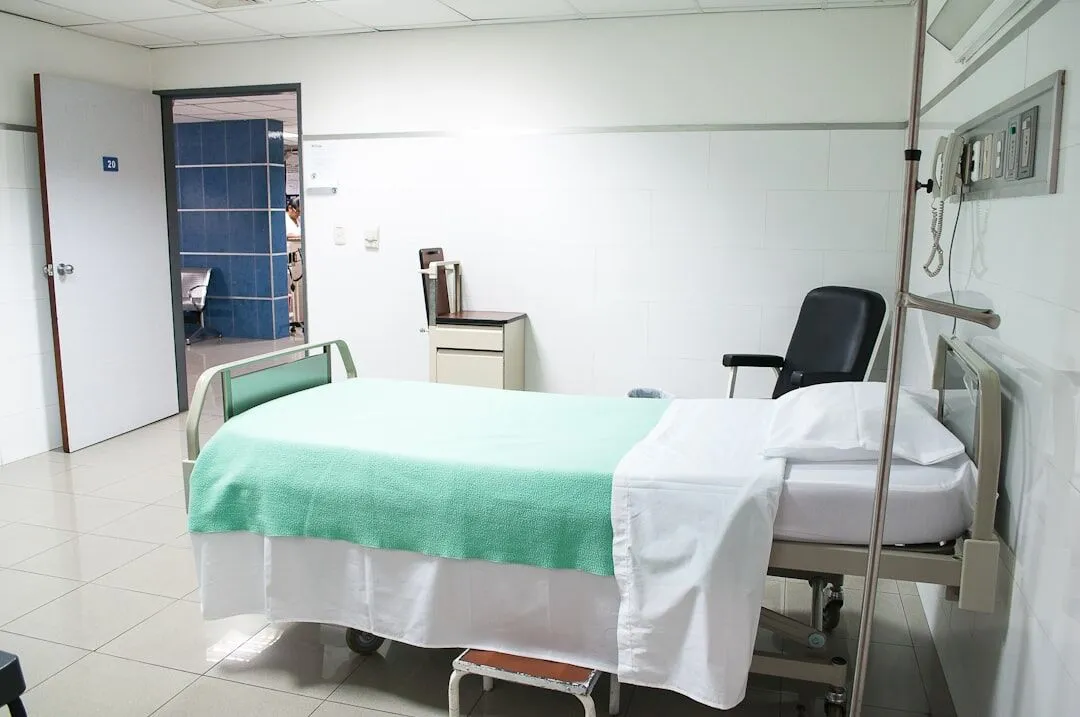
Inpatient care means you stay overnight at a hospital or mental health unit. You sleep there, eat there, and get treatment there, with nurses and other staff nearby at all times.
The focus is on mental health conditions such as:
- Depression
- Anxiety and panic
- Bipolar disorder
- Schizophrenia and other psychotic disorders
- Self harm and suicidal thoughts
- Severe stress or trauma reactions
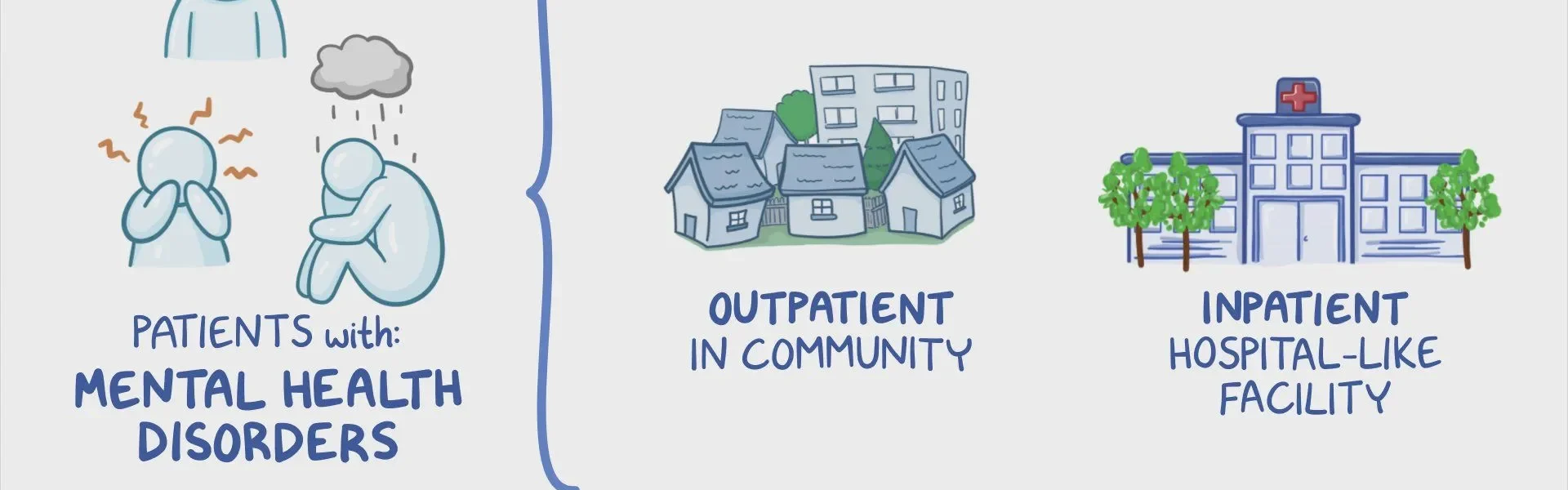
How inpatient care is different from outpatient therapy
Outpatient therapy usually means you live at home and go to appointments. That might be once a week with a therapist, or a few times a week in an intensive program.
Inpatient care is different:
- You live at the facility for a short time.
- Staff watch safety 24/7.
- There is a clear, daily schedule.
- You see a full team, not just one provider.
You can think of it like this: outpatient is like going to the doctor for regular checkups, while inpatient is more like staying in the hospital when you have a serious flare up.
Here is a simple comparison:
| Type of care | Where you stay | Support level | Typical frequency |
|---|---|---|---|
| Outpatient therapy | At home | Lower, planned visits | 1 to 3 times per week |
| Inpatient care | Hospital or unit | Highest, 24/7 staff | All day, every day |
Common mental health issues treated in inpatient settings
People enter inpatient care for many reasons. Common ones include:
- Suicidal thoughts or a suicide attempt
- Self harm, such as cutting or burning
- Severe panic attacks that do not ease with regular care
- Psychosis, such as hearing voices or seeing things that are not there
- Manic episodes, with little sleep, fast speech, and risky behavior
- Extreme depression, where getting out of bed feels impossible
- Serious eating disorder symptoms, like refusing all food or purging often
- Being unable to manage basic daily needs, such as bathing or eating
Needing inpatient care does not mean someone is “crazy” or broken. It means their brain and body are under serious stress, and they need stronger support for a while, just like they would with a serious physical illness.
When Is Inpatient Mental Health Care Needed?
Deciding when to seek inpatient help can feel confusing. Most people wait longer than they should because they hope things will just get better.
There are warning signs that mean it is time to reach out right away.
Serious signs that someone may need 24/7 support
Some red flags are too serious to ignore. These signs point to a need for constant support and safety checks:
- Thoughts of suicide, especially with a plan or access to means
- Self harm that is new, getting worse, or hard to stop
- Hearing voices that give commands or feel scary
- Seeing things that are not really there
- Sudden, extreme behavior changes, like wild spending or rage
- Not eating or drinking enough to stay healthy
- Going days without sleep
- Using drugs or alcohol in a very risky way
- Being unable to stay safe without someone watching
If safety is at risk, inpatient care can be life saving. The goal is not to take freedom away. It is to protect life until the crisis passes.
How doctors and mental health teams decide the right level of care
When you go to an emergency room or talk with a crisis team, they do a mental health evaluation. This is a structured set of questions and observations.
They look at:
- Current safety, such as thoughts of self harm or harm to others
- Severity of symptoms
- Support at home and in the community
- Ability to handle daily tasks like bathing, eating, and working
- Medical history and past treatment
They may use risk assessment tools, ask about past self harm, and check for medical problems that could affect mood or thinking.
If inpatient is needed, they admit you. Once you are more stable, you might step down to a partial hospitalization program or an intensive outpatient program. That way, support slowly decreases as you get stronger.
What families and loved ones can watch for at home
Parents, partners, and friends often notice changes first. It can be hard to know when worry is “enough” to seek help.
Watch for:
- Big mood swings or a blank, flat mood
- Pulling away from friends, family, and activities
- Talking about wanting to die or saying “everyone would be better off without me”
- Giving away favorite items or saying goodbye in odd ways
- Strong changes in sleep or appetite
- New or heavier drug or alcohol use
- Strange or paranoid statements that do not match reality
If your gut says “this is not my usual child or partner,” take it seriously. It is always better to call a doctor, therapist, or crisis line early, rather than wait for a full crisis.
What to Expect During Inpatient Mental Health Treatment
Not knowing what happens inside an inpatient unit can make the idea feel terrifying. A clear picture usually helps.
Here is what the process often looks like, step by step.
The admission process: from crisis to checking in
Many people enter inpatient care through:
- An emergency room visit
- A direct referral from a therapist or psychiatrist
- A call to a crisis line that leads to an evaluation
When you arrive, staff focus first on safety and basic needs. You check in, share basic contact and insurance information, and sign consent forms if you are able.
A nurse or other staff member may do a gentle search for items that could cause harm, such as sharp objects, belts, or certain medications. This can feel awkward, but it is standard for everyone.
You meet with a nurse and often a doctor or psychiatric provider. They ask about symptoms, medical history, and current stressors. You get assigned a room, often shared with one other person, and staff explain the rules and daily routine.
Most units work hard to treat people with respect and privacy. You have a right to be heard, to ask questions, and to understand why certain steps are taken.
A typical day in inpatient mental health care
Daily life in inpatient care is structured. The routine is part of the treatment.
A typical day might look like:
- Wake up at a set time
- Breakfast with other patients
- Morning check in with staff about mood and safety
- Group therapy session
- Lunch and a bit of free time
- Individual therapy or meeting with the psychiatrist
- Skills groups, such as coping skills or stress management
- Dinner and visiting hours, if visitors are allowed that day
- Evening relaxation activity or quiet time
- Medication time and lights out at a set hour
You might have time for reading, journaling, art, or short walks in a safe area. Phones and personal items might be limited, depending on the unit, but staff can explain why.
Structure helps many people feel calmer. When you know what to expect, your nervous system can start to settle.
Therapies and treatments you might receive
Inpatient care uses several types of treatment at the same time. Your exact plan depends on your needs.
Common parts of treatment include:
- Individual therapy: One on one talks with a therapist to understand what led to the crisis and what might help.
- Group therapy: Small groups where people share, learn coping skills, and practice new ways to handle stress.
- Family meetings: Sessions with parents, partners, or other key people to talk about support and safety at home.
- Medication management: A psychiatrist or nurse practitioner reviews your current medications, starts new ones if needed, or adjusts doses.
- Creative and activity therapies: Art, music, movement, or mindfulness groups that help express emotions and calm the body.
Treatment is not one size fits all. The team works with you to notice what helps and what does not, then adjust.
Safety, rules, and your rights as a patient
Every inpatient unit has rules. These can feel strict at first, especially if you are used to full freedom.
Common safety rules include:
- Limits on visitors and visiting hours
- Restrictions on phones, chargers, and electronics
- No sharp objects, glass, or cords
- Supervised passes off the unit, if any
These rules protect everyone on the unit, not just you. Many people there are in very fragile states. A small item that seems harmless at home can be risky in that setting.
You still have rights as a patient. You have the right:
- To be treated with respect
- To ask questions about your care
- To know your diagnosis and treatment plan
- To be involved in decisions as much as possible
- To speak up if something feels wrong
If you feel unheard, you can ask to talk with a social worker, patient advocate, or another staff member you trust.
Planning for life after discharge and ongoing support
Good inpatient care starts planning for discharge early. The goal is not just to get you safe inside the unit, then send you home without a plan.
Discharge planning often includes:
- Setting up outpatient therapy or psychiatry appointments
- Talking about step down care, such as partial hospitalization or intensive outpatient programs
- Making a written safety plan, with warning signs, coping skills, and crisis numbers
- Reviewing medications, doses, and what side effects to watch for
- Sharing ideas for structure at home, such as sleep routines and support groups
Inpatient care is one step on a longer path. Many people use it as a reset point, then keep growing with therapy, support, and healthier habits. Recovery is not a straight line, but many people do find steadier ground after getting this level of help.
How to Find and Choose an Inpatient Mental Health Program
Knowing you might need inpatient care is one thing. Figuring out where to go and what to ask is another.
A simple plan can make the process less stressful.
Where to start if you or a loved one needs inpatient help
If you think inpatient care might be needed, you can:
- Call your primary care doctor or therapist and explain the situation.
- Use a crisis hotline or text line for guidance.
- Go to the nearest emergency room if safety is at risk right now.
- Search online for “inpatient mental health near me” and read about local programs.
Some hospitals have special units for teens, adults, or older adults. Age based units often tailor groups, rules, and activities to that stage of life, which can feel more comfortable.
Questions to ask about inpatient mental health facilities
When you speak with an intake coordinator or nurse, you can ask:
- What ages do you treat?
- What mental health issues do you work with most often?
- What types of therapy do you offer?
- What is the average length of stay?
- How are families or loved ones included?
- Do you use trauma informed and culturally sensitive care?
- What is your policy on phones and visitors?
Pay attention not only to the answers but also to the tone. Clear, kind communication is a good sign.
Costs, insurance, and getting financial help
Money worries stop many people from seeking care. Inpatient treatment can be expensive, but there are often options.
Most health insurance plans cover at least part of inpatient mental health care, but details vary. It helps to:
- Call your insurance company and ask what is covered.
- Ask about co pays, deductibles, and any pre approval requirements.
- Call the hospital or unit and ask if they accept your insurance.
Some facilities offer payment plans or financial assistance based on income. Public hospitals and community mental health centers may have lower cost options, and some non profit groups help with treatment costs.
You do not have to figure all of this out alone. Hospital financial counselors and social workers deal with these questions every day and can walk you through choices.
Conclusion
Inpatient mental health care is a short term, high support option that focuses on safety and stability, not punishment. It is there for the times when regular therapy is not enough and life feels at risk.
Needing this level of care is not a failure. It is a sign that you take your mind, your body, and your future seriously. Many people leave inpatient units with more hope, clearer plans, and tools they did not have before.
If you see warning signs in yourself or someone you care about, reach out now. Call a doctor, therapist, crisis line, or trusted friend and say, “I need help.” You do not have to wait until things get worse.
Your story is not over. With the right support, this chapter can become the moment you turned toward healing, instead of away from it.