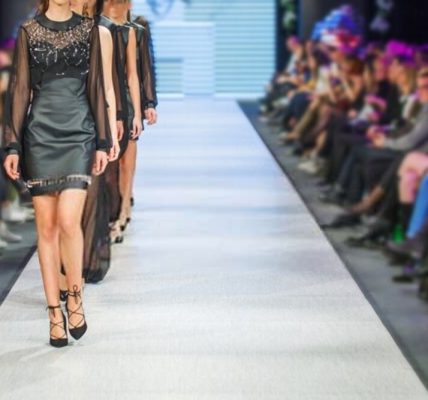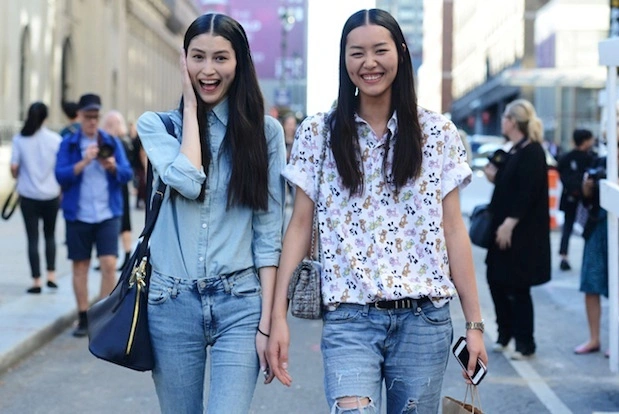

Chinese street fashion has evolved from mimicking Western trends to becoming a powerful force that influences global style. With its unique blend of traditional heritage, futuristic aesthetics, and bold experimentation, Chinese street fashion represents one of the most dynamic and exciting movements in contemporary fashion. This comprehensive guide explores the evolution, key elements, and cultural significance of this rapidly growing phenomenon.
The Rise of Guochao: China’s Fashion Revolution
Guochao, which translates to “national trend” or “China chic,” represents a seismic shift in Chinese fashion consciousness. This movement embraces Chinese cultural heritage while infusing it with modern streetwear sensibilities. What began as a ripple in the mid-2010s has become a tidal wave, with young Chinese consumers proudly wearing domestic brands that celebrate their cultural identity.
The guochao movement emerged partly as a response to decades of Western fashion dominance in China. As China’s economic power grew and national pride strengthened, a new generation of designers and consumers began asking why they should look to the West for fashion inspiration when their own culture offered thousands of years of rich aesthetic traditions. This shift wasn’t about rejecting foreign influence but rather about creating something uniquely Chinese that could stand alongside global fashion capitals.
Brands like Li-Ning transformed from purely athletic wear into cultural statements, incorporating Chinese characters, traditional color palettes, and historical references into contemporary designs. The movement gained mainstream attention when these brands appeared at international fashion weeks, proving that Chinese streetwear could compete on the global stage.
Traditional Elements in Modern Context
One of the most fascinating aspects of Chinese street fashion is how it reinterprets traditional garments for contemporary life. The hanfu, ancient Chinese clothing that dates back thousands of years, has been reimagined as street-ready fashion. Young people wear modified hanfu with sneakers, denim jackets, or modern accessories, creating a bridge between past and present.
The qipao or cheongsam, traditionally a formal dress, appears in street fashion as cropped tops, deconstructed pieces, or layered under oversized hoodies. Tang suit collars and mandarin collars show up on bomber jackets and streetwear staples. These aren’t costumes or simple reproductions but thoughtful integrations that respect tradition while pushing fashion forward.
Chinese embroidery techniques, once reserved for formal occasions, now adorn streetwear pieces. Dragons, phoenixes, cranes, and cloud motifs appear on everything from track pants to oversized tees. These symbols carry deep cultural meaning while looking undeniably cool in urban contexts. The color red, symbolizing luck and prosperity in Chinese culture, appears frequently but is styled in ways that feel fresh rather than traditional.
The Influence of Chinese Megacities
Shanghai, Beijing, Chengdu, and Guangzhou each contribute distinct flavors to Chinese street fashion. Shanghai’s street style tends toward sophistication and experimental silhouettes, reflecting the city’s history as China’s fashion capital. The former French Concession area and neighborhoods around art districts showcase particularly avant-garde looks.
Beijing’s street fashion carries an edgier, more rebellious energy. The Sanlitun area, known for its nightlife and shopping, serves as a runway for bold experimentation. Beijing streetwear often incorporates more techwear elements, utilitarian details, and darker color palettes. The city’s harsh winters also influence style, with layering becoming an art form.
Chengdu represents a more laid-back yet equally fashionable approach. Known for its creative culture and slower pace of life, Chengdu street fashion embraces comfort without sacrificing style. The city’s youth culture has developed a distinctive aesthetic that blends streetwear with a more relaxed, almost bohemian sensibility.
Techwear and Futuristic Aesthetics
Chinese street fashion has embraced techwear and cyberpunk aesthetics with particular enthusiasm. Brands create clothing that looks like it belongs in a sci-fi film, featuring multiple pockets, technical fabrics, modular components, and architectural silhouettes. This isn’t just about appearance—many pieces incorporate genuine functional elements like water resistance, breathability, and convertible designs.
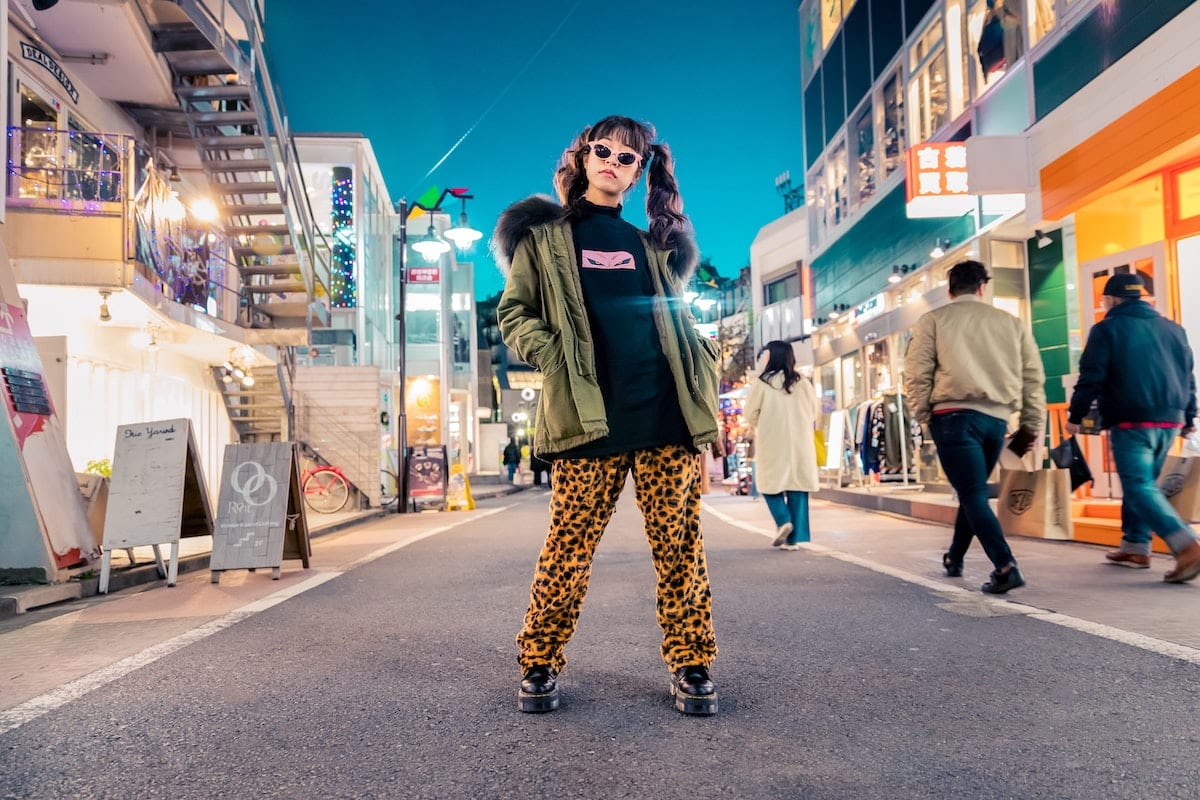
The appeal of techwear in China extends beyond pure aesthetics. It represents modernity, innovation, and China’s technological advancement. Wearing techwear becomes a statement about living in the future, not the past. Cities like Shenzhen, China’s tech hub, particularly embrace this aesthetic, creating a visual culture that matches the city’s identity as a center of innovation.
Chinese techwear often incorporates elements that Western techwear doesn’t, such as traditional Chinese closures reimagined with technical materials, or calligraphy-inspired graphics rendered in reflective materials. This fusion creates something distinctly Chinese while feeling universally futuristic.
The Role of Social Media and Digital Culture
Chinese street fashion’s explosion owes much to social media platforms like Xiaohongshu (Little Red Book), Weibo, and Douyin (Chinese TikTok). These platforms allow fashion enthusiasts to share outfits, discover new brands, and create communities around specific aesthetics. Unlike Western platforms, Chinese social media integrates shopping features seamlessly, allowing users to purchase items they see in street style posts immediately.
Fashion influencers, or KOLs (Key Opinion Leaders), wield enormous power in shaping trends. A single post from a major fashion KOL can sell out a brand’s inventory within hours. This has democratized fashion influence—you don’t need to be a celebrity or in a major city to impact trends. Creative styling and authentic personal expression matter more than traditional fashion credentials.
The speed of trend cycles in Chinese street fashion, accelerated by social media, creates a constantly evolving landscape. What’s popular in Shanghai this month might be everywhere in smaller cities next month, then evolve into something entirely new. This rapid evolution keeps Chinese street fashion exciting and unpredictable.
Gender Fluidity and Unisex Fashion
Chinese street fashion increasingly embraces gender-neutral styling and unisex clothing. Oversized silhouettes naturally lend themselves to this approach, with many pieces designed to be worn by anyone regardless of gender. This reflects broader generational shifts in how young Chinese people view gender expression.
Brands deliberately create collections without gender distinctions, and street style increasingly shows men and women wearing similar oversized hoodies, wide-legged pants, and layered looks. This isn’t about abandoning femininity or masculinity but rather about having the freedom to choose how to express oneself without rigid categories.
The acceptance of makeup and accessories for men has also grown significantly in Chinese street fashion. Male fashion enthusiasts wear jewelry, carry bags beyond traditional masculine styles, and experiment with colors and patterns once considered feminine. This evolution represents a significant cultural shift in a society where traditional gender roles have historically been quite defined.
Chinese Streetwear Brands Making Waves
Several Chinese brands have emerged as major players both domestically and internationally. CLOT, founded by Edison Chen, pioneered Chinese streetwear and collaborated with global brands like Nike and Levi’s. The brand successfully bridges Eastern and Western aesthetics while maintaining a distinctly Chinese identity.
ATTEMPT creates minimalist streetwear with subtle Chinese references, proving that cultural identity doesn’t require overt symbols. Their success demonstrates how Chinese fashion can be sophisticated and understated while still being authentically rooted in Chinese culture.
Feng Chen Wang brings a more avant-garde approach, deconstructing sportswear and workwear to create unexpected silhouettes. Her work has been recognized internationally, showing that Chinese designers can push conceptual boundaries while maintaining commercial appeal.
Smaller brands like YOUGER, NOTHOMME, and HIERSSS cater to different niches within street fashion, from punk-influenced styles to refined minimalism. The diversity of Chinese streetwear brands reflects the diversity of Chinese youth culture itself.
Sustainability and Conscious Fashion
A growing segment of Chinese street fashion focuses on sustainability and ethical production. As environmental awareness increases among young Chinese consumers, brands responding with eco-friendly materials, transparent supply chains, and longer-lasting designs gain popularity.
This movement challenges the fast fashion culture that has dominated Chinese retail. Some brands upcycle vintage fabrics or use traditional Chinese textile techniques that are more sustainable than industrial production. Others focus on quality and timeless design rather than chasing every micro-trend.
The sustainable fashion movement in China often connects to cultural heritage, arguing that traditional Chinese values of frugality and respect for materials align with modern sustainability goals. This gives the movement cultural legitimacy beyond just environmental concerns.
The Global Impact of Chinese Street Fashion
Chinese street fashion no longer just consumes global trends—it exports them. International brands study Chinese street style for inspiration, and Chinese aesthetics influence collections worldwide. The success of Chinese brands at Paris Fashion Week and other major events signals that Chinese fashion has arrived as a global force.
Western streetwear brands increasingly collaborate with Chinese designers and release China-exclusive designs that incorporate Chinese elements. This isn’t patronizing or superficial—it’s a recognition that Chinese consumers and creators are driving innovation in streetwear culture.
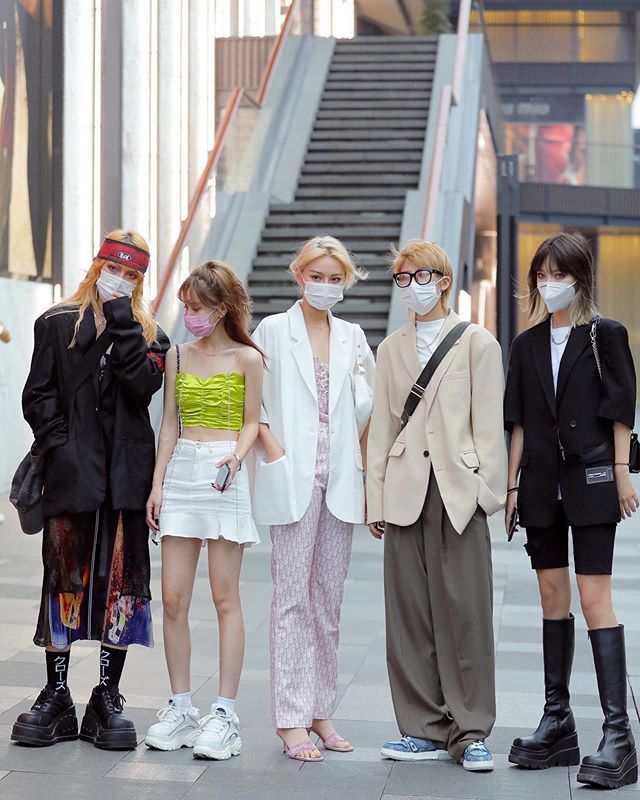
The rise of Chinese street fashion also challenges the Western-centric narrative of fashion history. It demonstrates that fashion innovation can happen anywhere and that cultural specificity can be a strength rather than a limitation in global markets.
Frequently Asked Questions
What makes Chinese street fashion different from Japanese or Korean street fashion?
Chinese street fashion tends to be bolder and more experimental with traditional elements compared to Japanese minimalism or Korean polished aesthetics. While Japanese street fashion often emphasizes subcultural tribes and Korean fashion prioritizes clean, put-together looks, Chinese street fashion embraces cultural fusion more explicitly. The guochao movement’s celebration of Chinese heritage has no direct equivalent in neighboring countries. Chinese street fashion also tends toward larger silhouettes and more utilitarian details, reflecting both techwear influence and comfort preferences.
Is Chinese street fashion only popular in major cities?
While major cities like Shanghai and Beijing lead trends, Chinese street fashion has spread throughout the country thanks to e-commerce and social media. Smaller cities and even rural areas have active street fashion communities, though styles may vary by region. The democratization of fashion through online platforms means someone in a third-tier city can access the same brands and inspiration as someone in Shanghai. However, major cities still offer more opportunities to see diverse street styles in person and have more physical stores for streetwear brands.
How much does Chinese streetwear typically cost?
Chinese streetwear spans a wide price range. Domestic brands like Li-Ning or ATTEMPT offer accessible price points, with items ranging from $30 to $200. Mid-tier brands might charge $100-400 for key pieces. High-end Chinese designers like Feng Chen Wang can command luxury prices of $500-2000 per item. This range makes Chinese street fashion accessible to different income levels, though limited edition collaborations and designer pieces can be quite expensive. Generally, Chinese streetwear is more affordable than equivalent Western brands while maintaining comparable quality.
Can non-Chinese people wear Chinese street fashion?
Absolutely. Fashion is meant to be shared and appreciated across cultures. However, it’s important to approach cultural elements with respect and understanding. Wearing Chinese streetwear brands or styles inspired by Chinese aesthetics is different from appropriating sacred symbols or costumes. Most Chinese designers and fashion enthusiasts welcome global interest in their fashion culture. The key is wearing these styles because you genuinely appreciate them, not as a costume or stereotype. Many Chinese streetwear brands actively court international audiences and design with global wearability in mind.
What is the relationship between luxury fashion and Chinese street fashion?
Chinese street fashion exists in an interesting relationship with luxury brands. Many streetwear enthusiasts mix high and low, pairing luxury bags or shoes with domestic streetwear brands. Chinese luxury consumers are among the world’s largest, and street fashion often incorporates luxury pieces as status symbols. However, the guochao movement has challenged the automatic prestige of foreign luxury brands, with some consumers preferring to support Chinese designers at all price points. Luxury brands have also started incorporating streetwear elements to appeal to younger Chinese consumers.
How has COVID-19 affected Chinese street fashion?
The pandemic accelerated several trends in Chinese street fashion. Comfort became paramount, with loungewear-influenced streetwear gaining popularity. Online shopping and social media became even more important for fashion discovery and community building. Domestic travel restrictions meant more focus on local fashion communities rather than international inspiration. The pandemic also strengthened the guochao movement as people focused more on domestic consumption. Masks became fashion accessories, with designer and branded masks complementing outfits. Overall, the pandemic made Chinese street fashion more self-referential and less dependent on Western influence.
Where can I buy authentic Chinese streetwear brands?
Chinese streetwear is most accessible through Chinese e-commerce platforms like Taobao, Tmall, and JD.com, though these may require translation tools or shopping services for international buyers. Some brands have official international websites or ship globally. Multi-brand retailers like YOHO! and UFO carry multiple Chinese streetwear brands. For international buyers, platforms like Superbuy or shipping forwarders can help purchase from Chinese sites. Some Chinese brands are also available at international retailers or through pop-up shops during fashion weeks. Social media often provides purchasing links directly from brand accounts.
What are the most influential Chinese street fashion events?
Shanghai Fashion Week has become a major showcase for Chinese street fashion, with extensive street style coverage and emerging designer presentations. Hypefest in cities like Hong Kong and Shenzhen celebrate streetwear culture with brand booths, exclusive releases, and concerts. Sneaker conventions like Sneaker Con China draw massive crowds. Various fashion districts host regular street fashion gatherings where enthusiasts showcase outfits. Online, platform-organized fashion challenges and competitions on Xiaohongshu and Weibo influence trends significantly. Brand pop-up events, especially for limited releases, create cultural moments that drive street fashion forward.
How does age affect participation in Chinese street fashion?
Chinese street fashion is predominantly youth-driven, with most active participants in their teens to early thirties. However, the movement is more age-inclusive than stereotypes suggest. Older generations increasingly appreciate streetwear’s comfort and casual aesthetic, even if they don’t adopt the most extreme styles. The rise of “auntie fashion” on social media shows middle-aged women embracing bold, streetwear-influenced looks. That said, certain styles like hypebeast culture and extreme techwear skew younger, while more refined streetwear appeals across age groups. The focus on comfort and individual expression makes Chinese street fashion more accessible to various ages than traditional fashion hierarchies.
What role does sneaker culture play in Chinese street fashion?
Sneakers are absolutely central to Chinese street fashion. Limited edition releases create camping-out-for-days phenomena, and sneaker collecting is a major subculture. Chinese consumers are among the world’s largest sneaker buyers, driving both domestic and international brands. Platforms like POIZON (Dewu) specialize in sneaker authentication and resale, creating a robust secondary market. Chinese brands like Li-Ning and ANTA have elevated from pure sportswear to genuine sneaker culture players with sought-after collaborations. Sneakers serve as the foundation of most street fashion outfits, with rare or limited pairs serving as statement pieces and status symbols.
Is Chinese street fashion influenced by traditional Chinese clothing?
Very much so, especially through the guochao movement. Traditional elements appear in modern contexts: mandarin collars on streetwear jackets, traditional closures reimagined, embroidery techniques applied to contemporary pieces, and entire silhouettes inspired by hanfu or qipao. This isn’t costume-wearing but thoughtful reinterpretation. Some designers directly modernize traditional garments, making them wearable for daily life. Others extract aesthetic principles—like flowing layers or specific color combinations—and apply them to street fashion. This connection to heritage distinguishes Chinese street fashion from simple adoption of Western streetwear templates.
How important are logos and branding in Chinese street fashion?
Logo prominence varies by subculture within Chinese street fashion. The hypebeast segment embraces obvious branding and limited edition pieces with visible logos. However, a growing movement favors subtle branding or logo-free designs, especially among more sophisticated fashion enthusiasts. The guochao movement sometimes uses Chinese characters and brand names prominently as cultural statements. Overall, Chinese street fashion shows more acceptance of visible branding than minimalist-leaning Japanese street fashion but isn’t as logo-obsessed as the stereotype suggests. Quality, design, and cultural meaning often matter more than brand name alone, though status symbols still play a role.