
Temporary tattoos are fun for parties, events, or just experimenting with body art, but sometimes you need them gone faster than they’ll fade naturally. Whether you’ve got a job interview coming up, the design didn’t turn out as expected, or you’re simply ready for a change, this guide will show you how to remove temporary tattoos quickly and safely.
Understanding Temporary Tattoos
Before diving into removal methods, it’s helpful to understand what you’re dealing with. Temporary tattoos work by adhering ink or dye to the outer layer of your skin. Different types include water-transfer tattoos (the most common), henna tattoos, airbrush tattoos, and temporary tattoo stickers. Each type may respond differently to removal methods, but the techniques below work for most varieties.
The Baby Oil Method (Most Gentle)
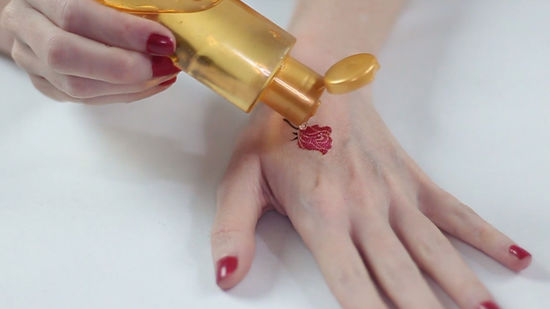
Baby oil is one of the safest and most effective ways to remove temporary tattoos, especially for children or those with sensitive skin. The oil breaks down the adhesive and ink without harsh chemicals.
Apply a generous amount of baby oil to a cotton ball or pad and saturate the tattooed area completely. Let it sit for about two minutes to allow the oil to penetrate and break down the tattoo. Gently rub the area in circular motions, applying light pressure. The tattoo should begin lifting away. Wipe clean with a damp cloth and wash with soap and water. If any residue remains, repeat the process.
This method works well because oils dissolve the waxy components that help temporary tattoos stick to skin. Coconut oil, olive oil, or even cooking oil can work as substitutes if you don’t have baby oil on hand.
Rubbing Alcohol Method (Fast and Effective)
Rubbing alcohol (isopropyl alcohol) is highly effective at removing temporary tattoos quickly, though it can be drying to the skin. This method works best for adults and non-sensitive skin areas.
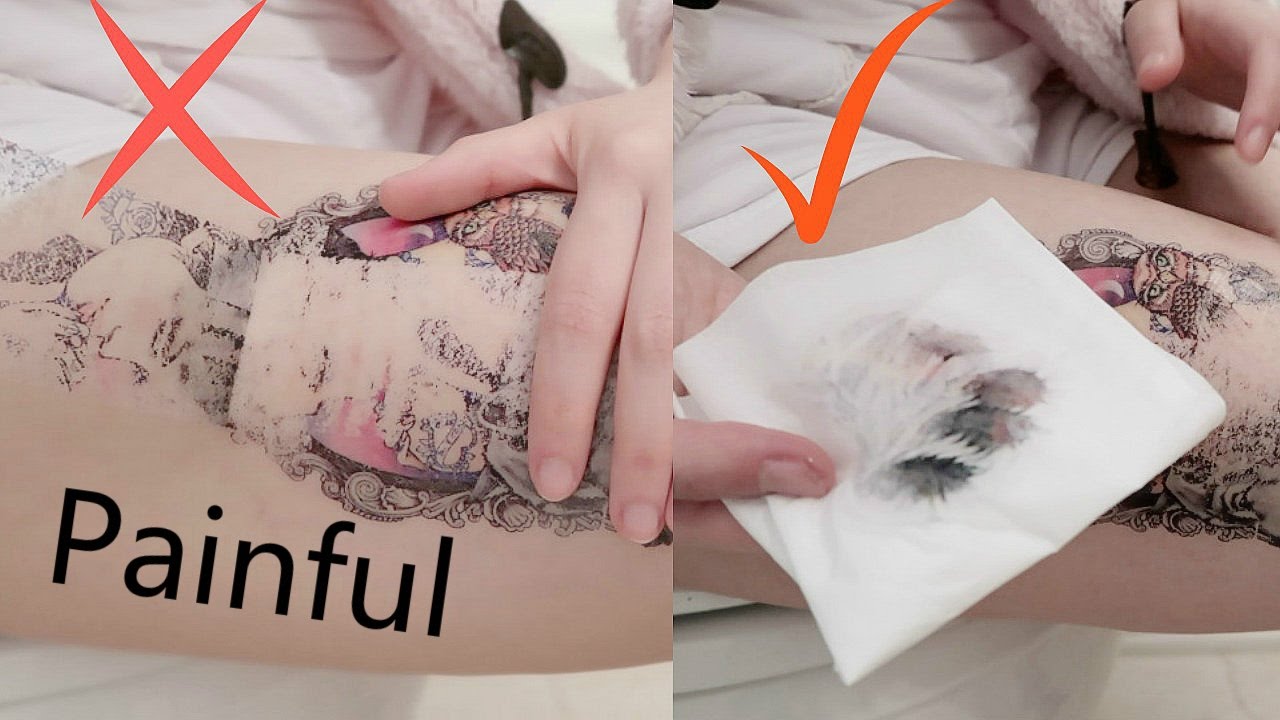
Soak a cotton ball with rubbing alcohol and press it firmly against the tattoo for 10-15 seconds. This allows the alcohol to begin breaking down the ink. Rub the area firmly in circular motions until the tattoo starts to fade and lift. You may need to use multiple cotton balls for larger tattoos. Once removed, wash the area with soap and water, then apply moisturizer to prevent dryness.
The alcohol dissolves the adhesive quickly, making this one of the fastest removal methods. However, avoid using this on broken skin or immediately after shaving.
Tape Method (No Products Needed)
If you don’t have any removal products on hand, clear packing tape or even duct tape can physically lift temporary tattoos off your skin. This method works surprisingly well for fresh tattoos.
Cut a piece of tape large enough to cover the entire tattoo. Press it firmly onto the tattoo, smoothing out any air bubbles and ensuring good contact with the skin. Quickly rip the tape off in one swift motion, similar to removing a bandage. The tattoo should stick to the tape. Repeat with fresh pieces of tape until the tattoo is completely removed.
This method can be uncomfortable and may cause slight redness, but it’s effective and doesn’t require any special products. It works best on areas without much hair.
Makeup Remover Method (Skin-Friendly)
Makeup remover wipes or liquid makeup removers are designed to break down cosmetics and work excellently on temporary tattoos. They’re gentle enough for facial tattoos and sensitive skin.
If using wipes, simply rub the tattoo area firmly with the wipe for 30-60 seconds. For liquid removers, apply to a cotton pad and hold against the tattoo briefly before rubbing. The tattoo should dissolve and wipe away. Oil-based makeup removers tend to work better than water-based formulas for this purpose.
This is an ideal method if you have a temporary tattoo on your face or neck, as makeup removers are formulated to be gentle on facial skin.
Exfoliation Method (For Stubborn Tattoos)
Sometimes temporary tattoos need a little physical encouragement to come off. Gentle exfoliation can speed up the natural fading process.
In the shower, wet the tattooed area with warm water to soften the skin. Apply a body scrub, sugar scrub, or even just a washcloth with soap, and gently scrub the area in circular motions. Don’t scrub too hard—you want to remove the tattoo, not irritate your skin. The combination of exfoliation and warm water helps lift the ink particles away.
This method is best for tattoos that are already starting to fade or for removing the last traces of a stubborn design. Follow up with moisturizer to keep skin healthy.
Nail Polish Remover Method (Use with Caution)
Acetone-based nail polish remover can remove temporary tattoos, but it should be used sparingly and carefully due to its harsh nature. Only use this method as a last resort and never on children’s skin.
Apply a small amount of nail polish remover to a cotton ball and gently dab the tattoo. Don’t rub vigorously, as acetone can irritate skin. Once the tattoo begins to break down, wipe it away and immediately wash the area thoroughly with soap and water. Apply a thick moisturizer or aloe vera gel to soothe the skin.
Acetone is very drying and can cause irritation, so this method should be avoided on sensitive skin, faces, or anywhere the skin is thin or damaged.
The Soap and Water Scrub Method
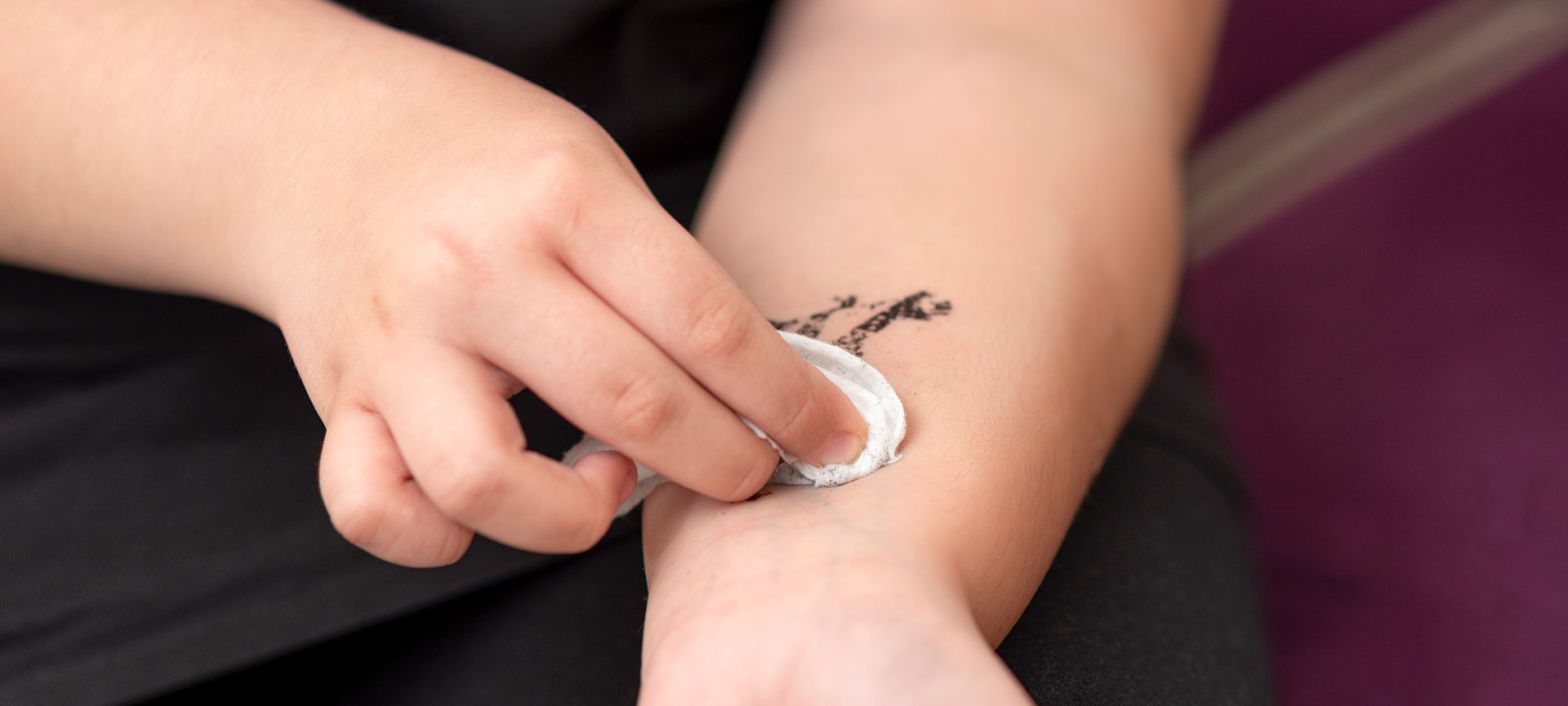
For those who prefer the simplest approach, persistent washing with soap and warm water will eventually remove a temporary tattoo, though it takes longer than other methods.
Wet the tattoo with warm water and apply soap directly to the area. Use a washcloth or loofah to scrub the tattoo firmly for several minutes. Rinse and repeat multiple times. This method is the gentlest but also the slowest, often requiring several washing sessions over a day or two to completely remove the tattoo.
This is the safest method for children and those with very sensitive skin, though patience is required.
Combining Methods for Best Results
Often, the most effective approach is combining methods. For example, you might start with baby oil to loosen the tattoo, followed by gentle exfoliation to remove residue. Or use rubbing alcohol for initial removal and then tape to lift away stubborn spots.
Listen to your skin—if redness or irritation occurs, stop and try a gentler method. The goal is to remove the tattoo, not damage your skin in the process.
Frequently Asked Questions
How long do temporary tattoos normally last?
Most temporary tattoos last between 3-7 days depending on placement, skin type, and how well they’re cared for. Tattoos on areas that experience more friction (like hands or feet) tend to fade faster, while those on arms, shoulders, or backs last longer. Henna tattoos are different—they can last 1-3 weeks as they actually stain the skin rather than sitting on top of it.
Can I remove a temporary tattoo immediately after applying it?
Yes, temporary tattoos are actually easiest to remove right after application before the adhesive fully sets. If you’ve just applied a tattoo and changed your mind, baby oil or rubbing alcohol will remove it quickly with minimal effort. The longer a tattoo has been on your skin, the more firmly it adheres, making removal slightly more challenging.
Will removing a temporary tattoo damage my skin?
When done correctly with gentle methods, removing temporary tattoos shouldn’t damage your skin. However, aggressive scrubbing, harsh chemicals, or repeated removal attempts can cause irritation, redness, or dryness. Always moisturize after removal and if you notice persistent irritation, give your skin a break and let the tattoo fade naturally over a few days.
What’s the safest method for removing temporary tattoos from children?
Baby oil is the safest and most recommended method for children’s skin. It’s gentle, non-toxic if accidentally ingested in small amounts, and effective. Makeup remover wipes designed for sensitive skin are another good option. Avoid using rubbing alcohol, nail polish remover, or harsh scrubbing on children’s delicate skin. Make the process fun by turning it into bath time activity.
Why won’t my temporary tattoo come off?
Some temporary tattoos are more stubborn than others, especially waterproof varieties or those that have been on the skin for several days. The ink may have settled into skin creases or the adhesive may be particularly strong. Try combining methods—use oil to break down the adhesive, then exfoliate gently, and finish with tape to lift remaining pieces. Soaking in a warm bath before removal can also help.
Can I use hand sanitizer to remove temporary tattoos?
Yes, hand sanitizer can work because most contain alcohol. Apply it generously to the tattoo, let it sit for a minute, then rub firmly. It’s not as effective as pure rubbing alcohol, but it’s more accessible and can work in a pinch. The gel consistency actually helps it stay in place on the tattoo rather than running off immediately.
Are there any temporary tattoos that are harder to remove?
Henna tattoos are significantly harder to remove because they actually stain the skin rather than sitting on top of it. They need to fade naturally, though the process can be sped up with exfoliation and lemon juice. Airbrush tattoos can also be more stubborn. Glitter temporary tattoos often leave glitter residue even after the tattoo base is removed, requiring multiple washing sessions.
Will chlorine or saltwater help remove temporary tattoos?
Yes, swimming in chlorinated pools or saltwater actually accelerates temporary tattoo fading. Chlorine and salt both break down the adhesive and ink. This is why temporary tattoos are often used as indicators for whether sunscreen needs reapplying—they fade when exposed to water and friction. If you have access to a pool or beach, a swim session can significantly fade a temporary tattoo.
Can I remove a temporary tattoo without leaving any residue?
Complete residue removal sometimes requires multiple cleaning sessions. After using your primary removal method, wash thoroughly with soap and water, then use a moisturizing cleanser to remove any oily residue. A gentle exfoliation 24 hours after removal can eliminate any lingering ink particles. Some skin staining may occur with darker temporary tattoos, but this fades naturally within a day or two.
What should I do if my skin is irritated after removing a temporary tattoo?
Stop all removal attempts immediately and wash the area gently with cool water and mild soap. Apply aloe vera gel or a gentle, fragrance-free moisturizer to soothe the skin. Avoid sun exposure on the irritated area. If you notice signs of an allergic reaction like excessive redness, swelling, or itching, consult a healthcare provider. Some people are sensitive to temporary tattoo inks, particularly black henna which can contain harmful chemicals.
Is it normal for my skin to be slightly red after removal?
Yes, slight redness is normal, especially after using friction-based methods like scrubbing or tape. This redness should fade within an hour or two. Apply a gentle moisturizer or aloe vera to calm the skin. However, if redness persists for several hours, becomes painful, or is accompanied by bumps or itching, you may have irritated your skin too much or be having a reaction to the tattoo ink itself.
Can I speed up natural fading without actively removing the tattoo?
Absolutely. Frequent washing of the area, regular exfoliation during showers, and exposure to water will gradually fade a temporary tattoo. Applying body lotion actually helps break down the adhesive over time. Some people find that applying sunscreen paradoxically makes tattoos fade faster due to the oils in the sunscreen. Swimming, hot showers, and exercise that causes sweating will all accelerate natural fading.