
Picture a summer afternoon in 1969. Music is loud, barefoot kids sway in the grass, handmade signs call for peace, and the air smells like incense and wildflowers. Clothes are loose, colorful, and often a bit worn. Nothing matches perfectly, yet somehow it all fits together.
That was the heart of authentic 60s hippie fashion. It grew out of protests, music festivals, and youth rebellion. It was a quiet refusal to dress like parents in stiff suits and tight skirts. Instead, hippies chose comfort, nature, freedom, and self-expression.
Today, many people want that same feeling in their style. They want peace signs and tie-dye, but not the cheap Halloween costume version. They want outfits that look like they really could have walked through Woodstock or along Haight-Ashbury.
This guide will help you see what real 60s hippie fashion looked like, what made it different from movie stereotypes, and how to build outfits today that feel true to the era. You’ll learn what pieces to wear, what fabrics to look for, where to shop, and what to avoid so your style looks relaxed and honest, not cartoonish.
What Authentic 60s Hippie Fashion Really Looked Like
Real 60s hippie style was not a costume. It was everyday clothing, pulled from thrift bins, street markets, army surplus stores, and friends’ closets. It was a mix of secondhand, handmade, and borrowed pieces, worn again and again.
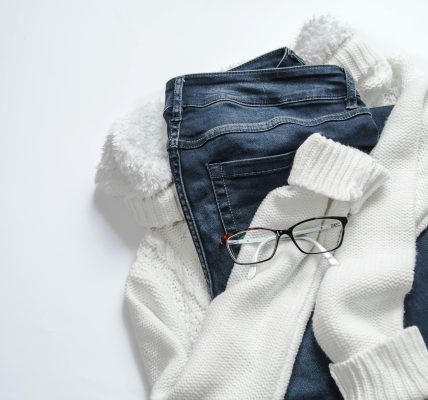
Most outfits were simple. Think soft jeans, cotton tops, long skirts, and layers you could throw on and off. The clothes had to work for sitting on the grass at a concert, walking for miles at a march, or crashing on a friend’s floor. Comfort first, always.
Hippie fashion was also a quiet protest against the polished look of the time. While older generations wore suits, stockings, and set hair, hippies went in the opposite direction. They chose loose shapes instead of tailored lines, open collars instead of tight ties, and hair that moved freely instead of stiff sprays.
Colors leaned toward earth tones mixed with bursts of bright shades. Patterns were often bold but had a handmade or folk feeling, not a plastic or cartoon vibe. Many outfits looked like someone had slowly built them over time, adding a patch here or a scarf there.
The overall effect was relaxed and slightly messy, but in a warm and lived-in way. You could see the person in the clothes, not the brand name. That is the core of real hippie style.
The Hippie Movement: Peace, Protest, and Personal Freedom
Hippies were young people who questioned war, racism, and strict social rules. They talked about peace, love, and community. They wanted to live more simply and more honestly.
Their beliefs showed up in what they wore. If they were against war, they might wear an old army jacket as a statement for peace. If they cared about freedom, they chose clothes that did not pinch or control their bodies.
Hippies also rejected the idea that you needed money or status to look good. They shopped thrift stores, swapped with friends, or sewed their own clothes. Many preferred natural fabrics because they felt closer to the earth and less fake.
By dressing this way, they sent a message. Their outfits said, “I’m not playing by your rules. I care more about people and the planet than about looking proper.” The fashion was not just style, it was part of the protest.
Key Clothing Pieces That Defined Real 60s Hippie Style
Certain items show up again and again in real photos from the late 60s. These pieces helped shape the look:
- Bell-bottom jeans, often frayed at the hem or patched.
- Straight-leg or slightly flared jeans, worn soft and faded.
- Peasant blouses with loose sleeves and simple embroidery.
- Simple cotton or cheesecloth shirts, often with ties or open necklines.
- Long skirts, flowing enough to move easily when walking or dancing.
- Denim vests or jackets, sometimes covered in patches or pins.
- Army surplus jackets and field coats.
- Ponchos and woven shawls that doubled as warmth and style.
- Fringe vests in suede or leather for a bit of movement.
Most of these were found cheap, traded, or handmade. People cared more about whether they could sit on the ground and travel in them than about perfection.
Authentic Colors, Patterns, and Fabrics (Not Costume Store Fakes)
Real 60s hippie clothes often drew from nature. Picture these shades: brown, tan, olive green, rust, mustard yellow, deep red, and warm orange. Alongside those, you’d also see bright pops of purple, hot pink, or sunny yellow in smaller touches like scarves or prints.
Common patterns included:
- Tie-dye, usually soft and uneven, not neon or super graphic.
- Paisley, often in reds, purples, and earthy tones.
- Small florals, from dainty to bold.
- Indian block prints and batik designs.
- Patchwork, with mixed fabrics sewn together.
Fabrics were mostly natural:
| Fabric | What to Look For |
|---|---|
| Cotton | Soft tees, blouses, skirts, bandanas |
| Denim | Jeans, jackets, vests, worn and faded |
| Cheesecloth | Very light, crinkly, semi-sheer tops |
| Wool | Ponchos, shawls, simple sweaters |
| Leather | Belts, bags, sandals, fringe details |
| Suede | Vests, jackets, fringe pieces |
Shiny polyester, hard plastic, and metallic fabrics feel more like 70s disco or party-store costumes. Real hippie clothes often looked a bit worn, with fading, small holes, or frayed edges. That “loved” look is part of the charm.
How to Dress in Authentic 60s Hippie Fashion Today
You do not need a time machine or a perfect vintage closet. You can build a believable hippie outfit with regular items if you focus on shape, fabric, and mood.
Start with comfortable basics, then add one or two strong pieces. Keep your palette earthy, your fabrics natural, and your styling relaxed.
Start With the Basics: Jeans, Skirts, and Simple Tops
Think of your base outfit as the blank canvas. Good choices include:
- High-rise or mid-rise flared jeans that skim the ground.
- Straight-leg jeans that are a bit loose, not skinny.
- Long flowy skirts that reach to the ankle or just above.
- Simple tees or tanks in white, cream, tan, or faded colors.
- Loose cotton or gauzy blouses with ties or buttons.
If you are between sizes, go one size up for a slouchy fit. Hippie style was not about tight, bodycon clothing.
Great base color choices are blue denim, white or off-white, tan, olive, soft brown, and small floral prints.
Example outfits:
- Bell-bottom jeans, a plain white tee, a long beaded necklace, and worn sandals.
- A long floral skirt, cream peasant top, leather belt, and flat sandals.
- Faded straight jeans, simple tan tank, and a bandana tied at the neck.
Keep the base calm, then let your layers and accessories tell the story.
Layer With Vests, Jackets, and Ponchos for a True 60s Feel
One well-chosen layer can turn a simple outfit into something that feels straight from 1969.
Good options:
- Denim jacket (slightly oversized, faded if possible).
- Army surplus or field jacket in olive or khaki.
- Suede or leather vest, with or without fringe.
- Woven poncho in earth tones or simple patterns.
Style tips:
- Pair a denim jacket with a long skirt and plain tee for a soft, lived-in look.
- Wear an army jacket over jeans and a white top for a protest-ready vibe.
- Use a fringe vest over a peasant blouse to add movement when you walk.
- Throw a poncho over almost anything on a cool night, then push the sleeves up a bit.
Try mixing textures, like denim with suede or cotton with wool, but keep colors gentle. If your jacket is bold, let the rest of the outfit stay quiet.
Finish the Look With Real Hippie Accessories and Hair
Accessories and hair choices can quickly make or break the look. The right ones feel handmade, natural, and a little imperfect.
Classic hippie accessories include:
- Beaded necklaces and chokers.
- Natural stone jewelry (turquoise, amethyst, agate).
- Leather cord bracelets or cuffs.
- Headbands worn across the forehead or in the hairline.
- Bandanas tied as headscarves or around the neck.
- Round sunglasses or tinted glasses.
- Floppy hats and wide-brim hats.
- Simple canvas or leather bags, and crochet or macramé bags.
Hair was usually left soft and free. Think:
- Long and loose, parted in the middle.
- Gentle waves or curls.
- Simple braids, either one thick braid or a few small ones.
- Minimal styling products so it can move.
For shoes, barefoot was common at festivals when safe. In daily life, people wore:
- Leather sandals.
- Moccasins.
- Worn-in boots, often with jeans pooling over them.
Choose accessories made from wood, shell, leather, cotton, or metal instead of obvious plastic. That small choice makes your outfit look more real.
Common 60s Hippie Fashion Mistakes to Avoid
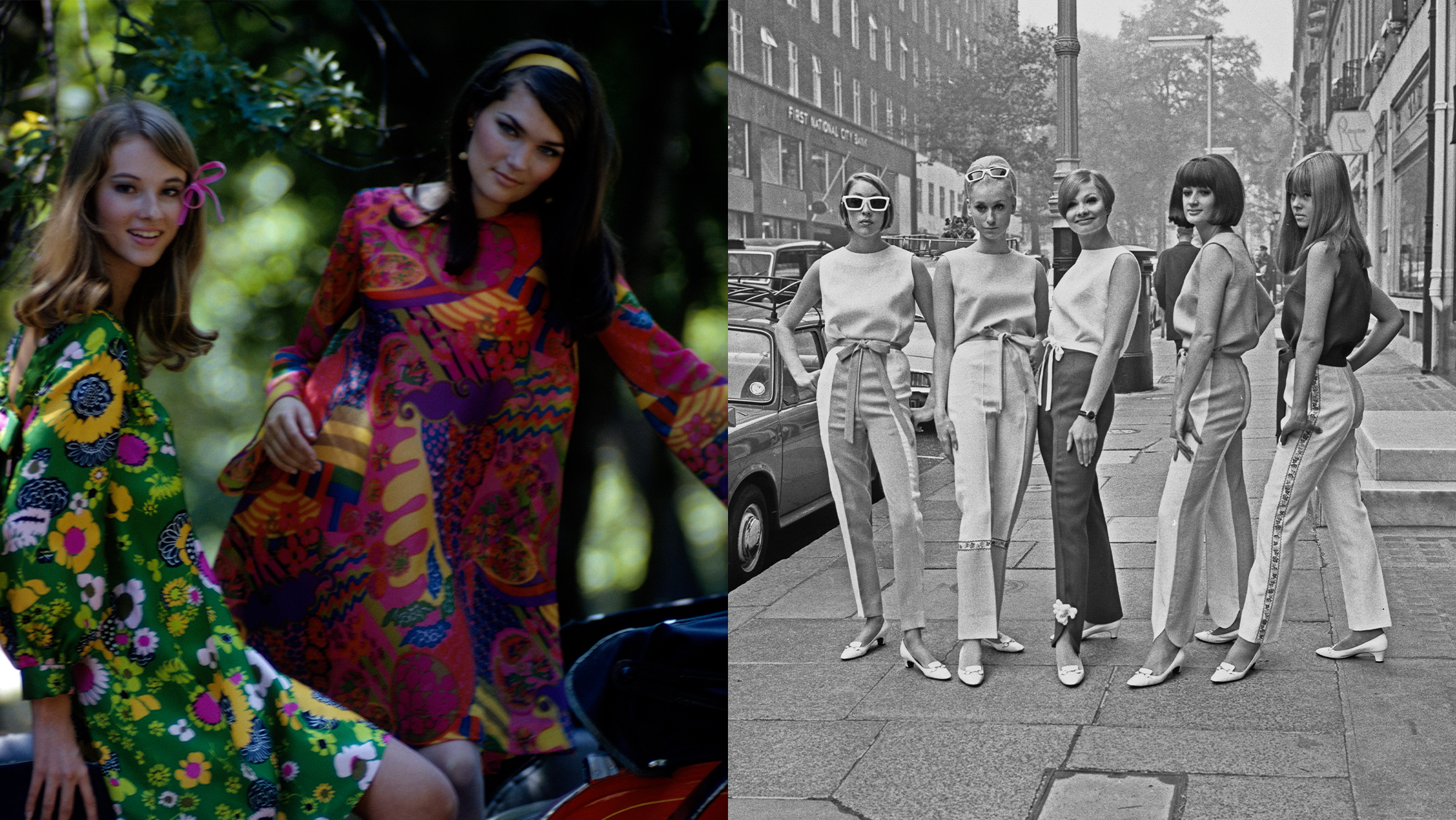
Some items instantly turn a nice outfit into a costume. Watch out for:
- Neon tie-dye that looks like a clown suit.
- Plastic flower crowns with perfect bright petals.
- Shiny polyester bell-bottoms that cling to the leg.
- Giant, cartoon-style peace sign necklaces.
- Too many bright pieces at once, like rainbow pants, neon top, and huge hat.
A helpful rule: pick one or two bold items, then keep the rest simple and earthy. For example, bright tie-dye tee with plain jeans and leather sandals is great. Bright tie-dye tee plus rainbow pants plus glitter boots looks more like a party theme.
You want to look relaxed and genuine, like you just came back from a road trip, not like you were dressed by a costume aisle.
Where to Find Authentic or Authentic-Looking 60s Hippie Pieces
You do not need a big budget. With a little patience, you can find great pieces secondhand or recreate the look with modern clothes.
The key is to look for the right shapes and fabrics, not just labels or dates.
Thrift Stores, Vintage Shops, and Online Marketplaces
Thrift stores and flea markets are goldmines for hippie style. You might not find perfect “1968” tags, but you can find items with the same feel.
Places to check:
- Local thrift stores and charity shops.
- Vintage boutiques for special pieces like jackets or dresses.
- Flea markets and weekend markets.
- Estate sales in older neighborhoods.
Online, try search terms like:
- “60s boho blouse”
- “vintage bell-bottom jeans”
- “Indian gauze dress”
- “army surplus jacket”
- “70s suede vest” (often very close to late 60s style)
When you find something, check:
- Fabric tag: look for cotton, wool, leather, suede, or rayon instead of all polyester.
- Seams and hems: sturdy stitching usually means longer life.
- Wear: fading, small holes, and frayed edges are fine if they do not bother you.
Be open to pieces with a bit of age. Small flaws add character and help your outfit feel like it has a story.
Recreating 60s Hippie Style With Modern Clothes
If vintage is hard to find or too pricey, you can still get a real-looking hippie outfit with new clothes.
Look for modern items like:
- Wide-leg or flared jeans in soft denim.
- Peasant or boho tops with embroidery or loose sleeves.
- Maxi skirts in floral prints or solid earth tones.
- Crochet tops, vests, or bags.
- Leather or leather-look sandals and boots.
Then add your own touches. A few ideas:
- Sew patches onto a denim jacket or jeans.
- Add fringe to a vest or bag with a simple sewing kit.
- Tie-dye a plain white tee at home in softer colors, like faded purple and blue.
- Wrap embroidery thread around a hat band or bracelet.
The spirit of hippie fashion comes from creativity, reuse, and personal meaning, not from a specific brand tag. If you mix secondhand finds with new pieces and a bit of DIY, you will get very close to the real thing.
Conclusion
Authentic 60s hippie fashion was never about looking perfect. It was about comfort, freedom, and clothes that said something about who you were and what you believed. Natural fabrics, worn-in denim, loose shapes, and meaningful accessories all helped tell that story.
You can honor that era today by shopping secondhand when you can, choosing earthier colors and real-feeling textures, and skipping over-the-top costume items. Start small if it feels easier. Try a pair of flared jeans, a long beaded necklace, or a peasant blouse, then build from there.
Most of all, let your style feel personal. Mix what you find, fix what you love, and wear your clothes in a way that feels like you. That is the true spirit of hippie fashion: peaceful, relaxed, and full of self-expression.