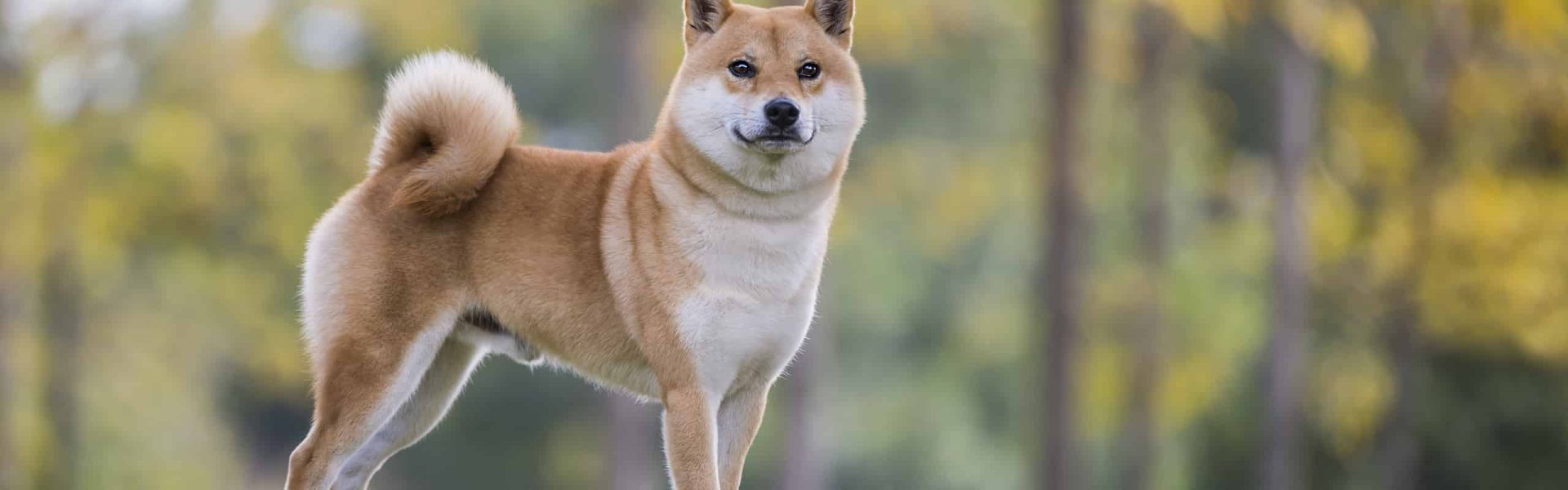

Bringing home a Shiba Inu feels a bit like living with a small fox who has opinions. They are bold, clean, smart, and often very healthy. At the same time, health issues with shiba inu are important for new and future owners to understand early.
Knowing the common risks does not need to be scary. Think of it like reading the manual for a car you love. When you understand how it is built and where it can wear out, you can care for it better and catch little problems before they become big ones.
Shibas are a sturdy breed overall, but they do have weak spots, especially with joints, skin, eyes, and autoimmune issues. Learning what to watch for helps you notice changes, talk clearly with your vet, and keep your dog comfortable for more years.
If you are already sharing your home with a Shiba or plan to soon, this guide will give you a clear, friendly overview of health issues, warning signs, and simple steps to protect your dog’s well being.
Shiba Inu Health Overview: What Makes This Breed Unique
Shiba Inu are often described as tough little dogs. In many ways, that is true. They are agile, weather resistant, and usually stay active well into their senior years. But like every purebred dog, they come with some common health patterns.
Typical Shiba Inu lifespan and overall health
Most healthy Shibas live around 12 to 15 years. Some reach 16 or more with good care and a bit of luck. A healthy adult Shiba usually:
- Has a lean, athletic body, not round or barrel shaped
- Has clear eyes, a shiny coat, and clean ears
- Is alert, curious, and ready to move, but can relax at home
Diet makes a big difference. A balanced, high quality dog food that fits your dog’s age and activity level supports joints, skin, and heart health. Free feeding all day or lots of table scraps often leads to weight gain, which puts extra stress on hips and knees.
Exercise also plays a big role. Shibas do best with daily walks, play, and a chance to sniff and explore. Too little movement leads to boredom and weight gain. Too much hard impact, like long runs on concrete or constant jumping, can wear on joints over time.
Regular vet care ties it all together. Yearly or twice yearly checkups, vaccines, parasite prevention, and dental care help your Shiba stay in good shape. Decisions about early spay or neuter should be made with a vet, since timing can influence growth, hormones, and sometimes joint health. There is no one right age for every dog, so a personal plan is best.
Why genetics and responsible breeding matter for Shiba Inu health
Shiba Inu are a relatively small gene pool breed. That means inherited traits, both good and bad, can show up more often within certain family lines.
Some health problems, like hip dysplasia, eye disease, or autoimmune issues, have a strong genetic link. If parents or close relatives have these conditions, puppies may face a higher risk.
A responsible breeder:
- Knows the health history of their dogs and close relatives
- Uses health testing such as hip scores or eye exams when recommended
- Shares health clearances and test results openly
- Avoids breeding dogs with serious inherited disease
On the other hand, very cheap or backyard breeders often skip testing and focus only on looks or quick profit. That can lead to puppies with hidden problems that show up a few years later in the form of high vet bills, pain, or shorter lifespans.
If you are getting a puppy, ask about health tests and any issues in the lines. If you adopt from a rescue, ask what they know about the dog’s health and behavior. You may not get a full history, but honest answers still help you prepare.
How Shiba Inu body shape and behavior affect health risks
A Shiba’s body and personality are part of what makes them special, and both affect health.
They have:
- A compact, muscular build that is strong but puts stress on joints when they jump from high places
- A curled tail that adds charm, but a tail that suddenly droops or uncurls can sometimes signal pain or illness
- A dense double coat that protects from weather, yet can hide skin issues, hot spots, and parasites if not checked
Their strong prey drive and independent streak also matter. Many Shibas love to pull on the leash, chase small animals, or try to escape. These habits increase the risk of:
- Neck or back strain from hard leash pulling
- Joint injuries from twisting or sudden stops
- Cuts, bites, or car accidents if they get loose
Practical changes, like using a front clip harness, teaching loose leash walking, and giving a secure fenced area or long line, can reduce these risks a lot.
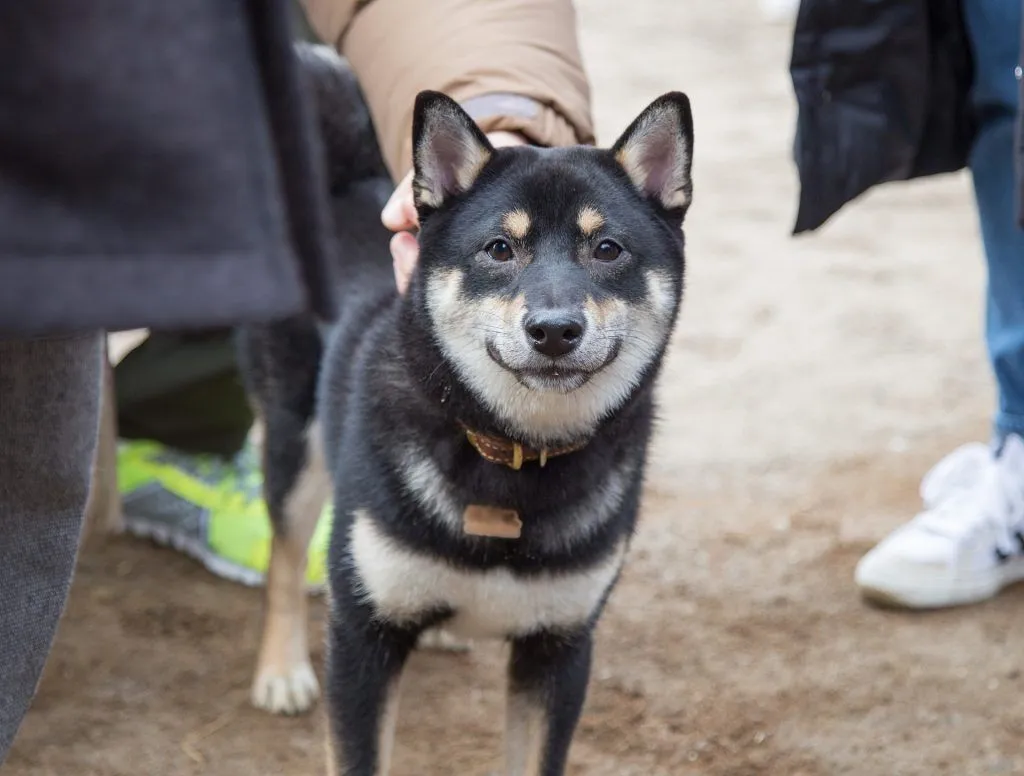
Most Common Health Issues In Shiba Inu (And Symptoms To Watch For)
Shibas do not all face the same problems, but some health issues come up more often. Knowing the basics helps you spot early changes and get help in time.
Allergies and itchy skin problems in Shiba Inu
Many Shibas have sensitive skin. Allergies can be caused by:
- Food ingredients, often proteins like chicken or beef
- Flea bites
- Things in the environment, like pollen, grass, dust, or mold
Common signs include:
- Constant scratching or chewing, especially on paws or belly
- Licking paws until they are red or stained
- Red, flaky, or greasy skin
- Repeated ear infections with odor or dark discharge
- Dull coat, bald patches, or “elephant” looking thick skin over time
Treatment usually depends on the cause. Vets may suggest:
- Diet trials to rule out food allergies
- Strong and steady flea control
- Allergy meds or injections
- Medicated shampoos or wipes
- Ear cleaners and topical drops
Home remedies without a diagnosis often make things worse or hide symptoms. If your Shiba is itchy for more than a few days, gets skin infections, or seems miserable, a vet visit is the best next step.
Hip dysplasia and joint issues Shiba owners should know about
Hip dysplasia means the ball and socket of the hip joint do not fit together the right way. Over time, the joint rubs and wears, which leads to pain and arthritis.
Shibas are not as prone as some larger breeds, but it still shows up. Warning signs include:
- Limping, especially after exercise
- Stiffness when getting up from rest
- “Bunny hopping” with both back legs together when running
- Refusing to jump on the couch or go up stairs
- Muscle loss in the back legs
Management tools can include:
- Keeping your Shiba at a lean weight
- Joint supplements with ingredients like glucosamine and chondroitin, recommended by your vet
- Controlled, low impact exercise like steady walks and swimming
- Physical therapy or rehab exercises
- Pain relief and, in serious cases, surgery
Another joint problem in Shibas is patellar luxation, where the kneecap slips out of place. Signs include skipping a step on one hind leg, sudden short limps, or holding a leg up then using it again. A vet can grade the level of luxation and suggest treatment, which ranges from weight control and rest to surgery in bad cases.
Eye problems in Shiba Inu, from glaucoma to cataracts
Shiba Inu can be at risk for several eye issues that can cause pain or vision loss.
Key conditions include:
- Glaucoma, where the pressure inside the eye becomes too high
- Cataracts, a cloudy lens that blocks light
- Progressive retinal atrophy (PRA), a slow, inherited loss of the light sensing cells in the eye
Common symptoms are:
- Cloudy or bluish looking eyes
- Redness, swelling, or a big tear stain
- Squinting or keeping an eye partly closed
- Bumping into furniture or door frames
- Hesitation or fear in dim light or at night
- Sudden change in behavior, such as clinging or acting unsure
Glaucoma and some other eye problems count as emergencies. Quick treatment may reduce pain and sometimes protect remaining vision. Any fast change in eye color, shape, or comfort should lead to a same day or urgent vet visit.
For PRA and some inherited conditions, there is no cure, but a good exam and diagnosis help you plan for your dog’s future. Many Shibas adjust well to low or no vision when their home and routine stay stable.
Autoimmune and skin conditions, including Shiba autoimmune disease risks
In autoimmune diseases, the body’s immune system attacks its own tissues by mistake. Shibas, like some other Nordic type breeds, can be prone to these problems.
Autoimmune issues that may affect Shibas include:
- Autoimmune skin diseases that cause scabs, sores, or raw patches
- Hypothyroidism, where the thyroid gland does not make enough hormone
Typical signs to watch for:
- Sudden hair loss, often on the tail, neck, or body
- Thick, darkened, or scaly skin
- Repeated skin or ear infections
- Weight gain without more food
- Low energy, sleeping more, or acting “dull”
- Behavior changes, like irritability or fearfulness
These problems usually need blood tests, sometimes skin biopsies, and long term treatment. Many dogs do very well once the right diagnosis and dose of medicine are in place. Home fixes or changing food alone rarely solve true autoimmune disease.
Behavioral health and stress: anxiety, aggression, and “Shiba scream”
Physical health and mental health are linked. Shibas are smart, independent, and sensitive to how they are handled and trained.
Signs of stress or poor behavioral health include:
- Hiding or avoiding touch
- Guarding food, toys, or resting spots
- Snapping or biting when handled
- Nonstop barking, whining, or crying
- The famous “Shiba scream”, a high pitched, dramatic scream when scared, frustrated, or handled roughly
Pain can also cause behavior changes. A normally friendly Shiba that starts snarling at touch might have joint pain, ear pain, or another medical issue. A vet check is a good first step before assuming it is “just behavior.”
Support your dog’s emotional health through:
- Early, gentle socialization with people, dogs, sounds, and places
- Positive reinforcement training, with rewards for calm, desired behavior
- Clear routines, so your Shiba knows what to expect
- Help from a qualified trainer or vet behaviorist if you see growing fear or aggression
A calm mind helps the body stay healthier, and a comfortable body makes training much easier.
How To Keep Your Shiba Inu Healthy And Catch Problems Early
Think of your Shiba’s health plan as a set of simple habits. None are hard on their own, but together they add up to years of better comfort and fewer surprises.
Routine vet visits, vaccines, and health screening for Shiba Inu
Regular vet care is the base of good health.
For most Shibas, this looks like:
- Puppy visits every few weeks for vaccines, growth checks, and parasite control
- A full exam every year for healthy adults, and often twice a year for seniors
- Core vaccines and region based vaccines as needed
- Yearly heartworm tests and steady prevention
- Dental checks, cleanings when needed, and advice on brushing at home
Because of Shiba health patterns, talk with your vet about:
- Hip and knee exams, especially if you see limping
- Eye exams, especially if your dog’s lines have a history of eye disease
- Thyroid tests or other blood work if you see coat, weight, or energy changes
Keep a simple health folder or digital note with dates of vaccines, test results, meds, and any health scares. This record helps every vet who treats your dog.
Feeding, weight control, and exercise to prevent joint and heart issues
Food and movement are daily tools that you control.
Simple feeding tips:
- Use a good quality dog food that lists meat as a main ingredient
- Measure meals rather than guessing or free feeding
- Keep treats small and count them as part of the daily calories
You should be able to feel your Shiba’s ribs under a thin layer of flesh, not buried in fat. From above, there should be a slight waist. From the side, the belly should tuck up a bit behind the ribs.
For exercise:
- Aim for at least one or two brisk walks each day
- Add short play sessions, fetch, or tug, if your dog enjoys it
- Use puzzle toys or sniff walks for mental work
Avoid lots of jumping on and off high furniture or racing up and down stairs, especially for puppies and older dogs. Hard landings on tile or concrete add wear and tear over time.
Grooming and at home checks to spot skin and eye problems early
A weekly “health check” during grooming can catch trouble early.
Try this simple routine:
- Brush the coat to pull out loose fur and check the skin
- Look for redness, bald spots, flakes, or signs of fleas
- Check eyes for clear whites, no cloudiness, and no thick discharge
- Lift ears and check for redness, odor, or dark wax
- Gently handle paws and each toe, and look at the nails
- Feel along the body for lumps, heat, or tender spots
Most Shibas only need a bath every 1 to 3 months, unless they roll in something gross or have a skin condition. Use a gentle dog shampoo, not human products, to avoid dryness and irritation.
Clip nails regularly so they do not touch the ground and change the way your dog walks. Long nails can cause joint stress and pain.
If you see new lumps, bad odor, sudden hair loss, or behavior changes, write them down. Bring your notes and photos to the vet, since small changes over time help with diagnosis.
Training, socialization, and mental enrichment for long term well being
A well trained, confident Shiba is usually a healthier Shiba.
Good habits to build early:
- Gentle socialization with different people, dogs, and places while your Shiba is young
- Basic manners like sit, come, leave it, and loose leash walking
- Crate training for safe travel and rest
- Teaching your dog to tolerate handling of paws, ears, and mouth
For mental enrichment, think of activities that let your Shiba use brain and nose:
- Puzzle feeders instead of plain bowls
- Scent games where you hide treats or toys to “hunt”
- Short training sessions that reward calm focus
These habits lower stress, reduce boredom, and make vet visits and grooming far easier.
When To Worry: Red Flag Symptoms In A Shiba Inu You Should Never Ignore
Even with great care, every dog gets sick or hurt at some point. Knowing what counts as urgent can literally save your Shiba’s life.
Serious emergency signs that need a vet right away
Get to an emergency vet or call your vet at once if you see:
- Trouble breathing, open mouth breathing at rest, or loud, harsh sounds
- Blue, gray, or very pale gums
- Collapse or sudden inability to stand or walk
- A bloated, very hard belly, or signs of pain when you touch the belly
- Seizures, shaking that will not stop, or loss of awareness
- Severe eye pain, a bulging eye, or sudden color change in the eye
- Nonstop vomiting, or vomiting with blood
- Bloody diarrhea, especially with weakness or fever
Do not wait to see if these signs pass on their own. Fast action can mean less pain and better outcomes.
Ongoing symptoms that mean it is time to schedule a health check
Some signs are less dramatic, but still important. It is time to schedule a vet visit if you notice:
- Limping, stiffness, or reluctance to jump that lasts more than a day or two
- Constant scratching, licking paws, or chewing skin
- Strong odor from ears, mouth, or skin
- Gradual weight loss or gain without a change in food
- Drinking or peeing much more than usual
- Low energy, hiding, or not wanting to play
- New behavior issues, like sudden aggression, fear, or house soiling
Even mild signs can point to pain, infection, thyroid disease, early kidney problems, or other hidden issues. Shibas can be stoic and hide discomfort, so small clues matter.
Caring For Your Shiba Inu’s Health For Life
Shiba Inu dogs come with a mix of strength and sensitivity. They are often hardy, but they do face known risks like joint problems, allergies, eye disease, and autoimmune issues. The good news is that an informed owner can prevent many problems or catch them early.
By choosing a responsible breeder or thoughtful rescue, keeping regular vet visits, feeding well, watching weight, and doing simple at home checks, you give your Shiba a strong base for long life. Paying attention to behavior, stress, and the famous “Shiba scream” also protects both mind and body.
Health care should feel like part of the bond you share, not just a chore. You know your dog better than anyone. When you notice small daily changes and speak up, you become your Shiba’s best advocate.
Take a few minutes today to make a simple health checklist, look over your dog, and schedule that wellness visit if it is due. Your Shiba may not say thank you out loud, but the extra years of comfort and shared moments will say it for them.