Terry cloth has been a household staple for decades, valued for its exceptional absorbency and soft texture. This versatile fabric goes far beyond basic bath towels, finding applications in fashion, sports, home textiles, and even baby care. Understanding what makes terry cloth unique can help you make informed decisions whether you’re purchasing towels, designing products, or exploring fabric options for your business.
What Is Terry Cloth?
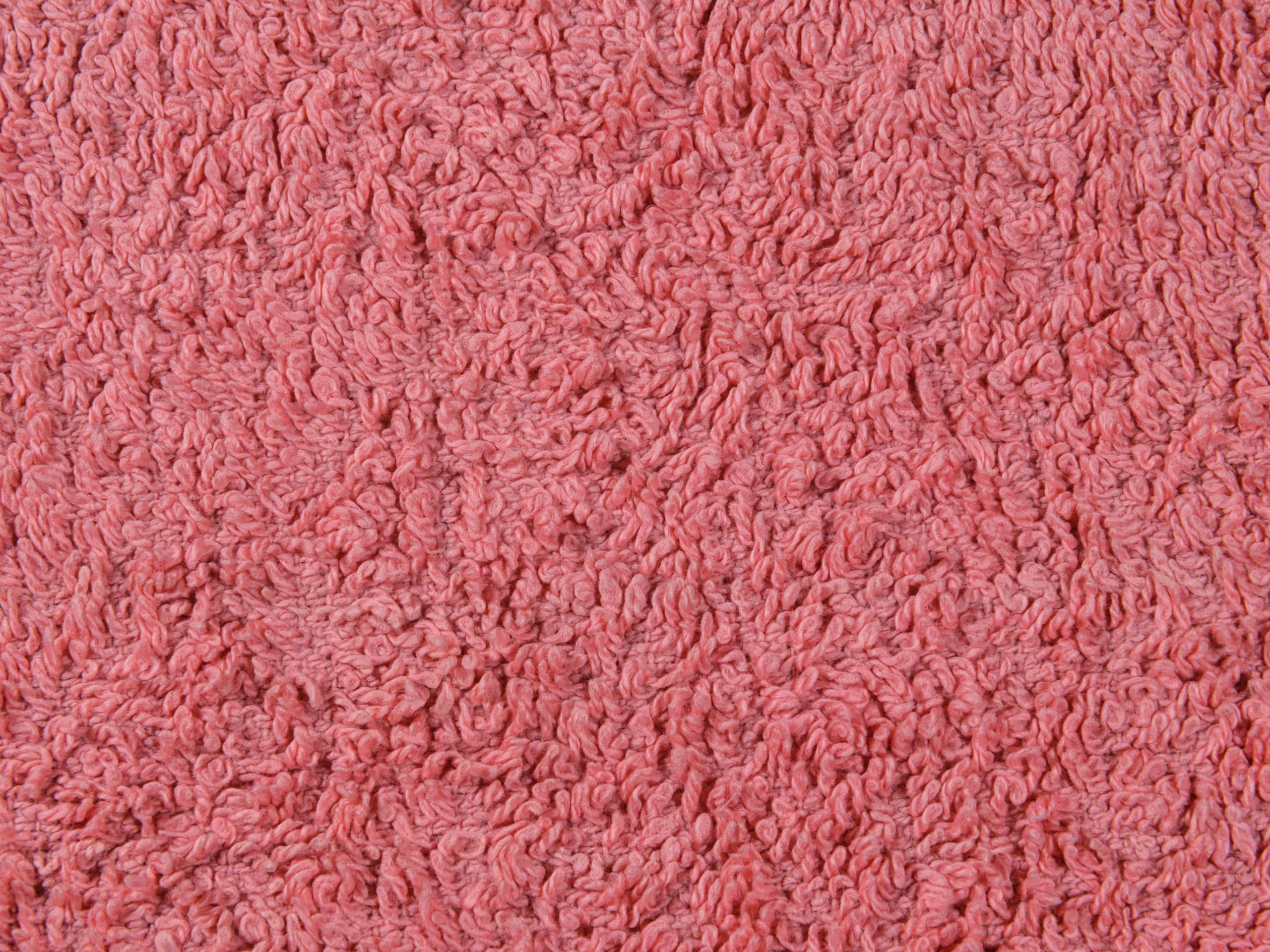
Terry cloth is a woven fabric characterized by its distinctive looped pile surface. These loops are created during the weaving process when extra yarn is woven into the base fabric, forming small, uncut loops on one or both sides. This unique construction creates a highly absorbent material with a soft, plush feel that has made it indispensable in bathrooms and beyond.
The fabric typically uses cotton as its primary fiber, though modern variations incorporate bamboo, microfiber, and synthetic blends to enhance specific properties. The density and height of the loops directly impact the fabric’s absorbency, softness, and overall quality.
Types of Terry Cloth Fabrics
French Terry
French terry features loops on one side and a smooth surface on the other. This makes it ideal for activewear and casual clothing because it offers moisture-wicking properties while maintaining a comfortable feel against the skin. The smooth interior prevents snagging and provides a softer touch, making French terry popular for sweatshirts, joggers, and athleisure wear.
Turkish Terry
Turkish terry cloth is renowned for its superior quality and long-staple cotton fibers. Produced using traditional methods, Turkish terry becomes softer and more absorbent with each wash. The longer fibers create more durable loops that resist pulling and maintain their integrity over time, making Turkish terry a premium choice for luxury towels and bathrobes.
Bamboo Terry
Bamboo terry cloth offers an eco-friendly alternative to traditional cotton terry. Bamboo fibers naturally possess antimicrobial properties and excellent moisture absorption. The fabric feels silky soft and remains gentle on sensitive skin, making it particularly suitable for baby products and individuals with allergies or skin sensitivities.
Microfiber Terry
Microfiber terry combines synthetic fibers to create an ultra-absorbent, quick-drying fabric. These towels are lightweight and compact, making them perfect for travel, sports, and outdoor activities. Microfiber terry dries faster than cotton and resists mildew, though some users prefer the natural feel of cotton varieties.
Velour Terry
Velour terry features sheared loops on one or both sides, creating a smooth, velvety surface. This luxurious variation maintains the absorbency of traditional terry while offering a more refined appearance. Velour terry is commonly used in high-end bathrobes, beach towels, and decorative home textiles.
Key Properties and Benefits
Superior Absorbency
The looped structure of terry cloth creates substantial surface area that traps and holds moisture efficiently. Quality terry cloth can absorb several times its weight in water, making it the gold standard for bath towels, spa treatments, and cleaning applications. The density of loops per square inch directly correlates with absorbency levels.
Softness and Comfort
Terry cloth provides a gentle, cushioned feel against the skin. The loops create air pockets that add softness while allowing the fabric to remain breathable. Premium terry cloth becomes increasingly soft with proper care, developing a luxurious texture that enhances comfort over time.
Durability
Well-constructed terry cloth withstands repeated washing and heavy use without losing its structural integrity. The looped pile resists wear, and quality terry maintains its absorbency and softness through hundreds of wash cycles. This longevity makes terry cloth a cost-effective choice for both household and commercial applications.
Versatility
Terry cloth adapts to countless applications beyond traditional towels. Manufacturers use it for clothing, cleaning products, upholstery, and industrial applications. The fabric’s ability to perform multiple functions while maintaining its core properties has secured its place across diverse industries.
Breathability
The open loop structure allows air to circulate through the fabric, preventing moisture buildup and promoting quick drying. This breathability keeps terry cloth fresh and reduces the risk of mildew or odor development, particularly important for items used in humid environments.
Common Applications
Home Textiles
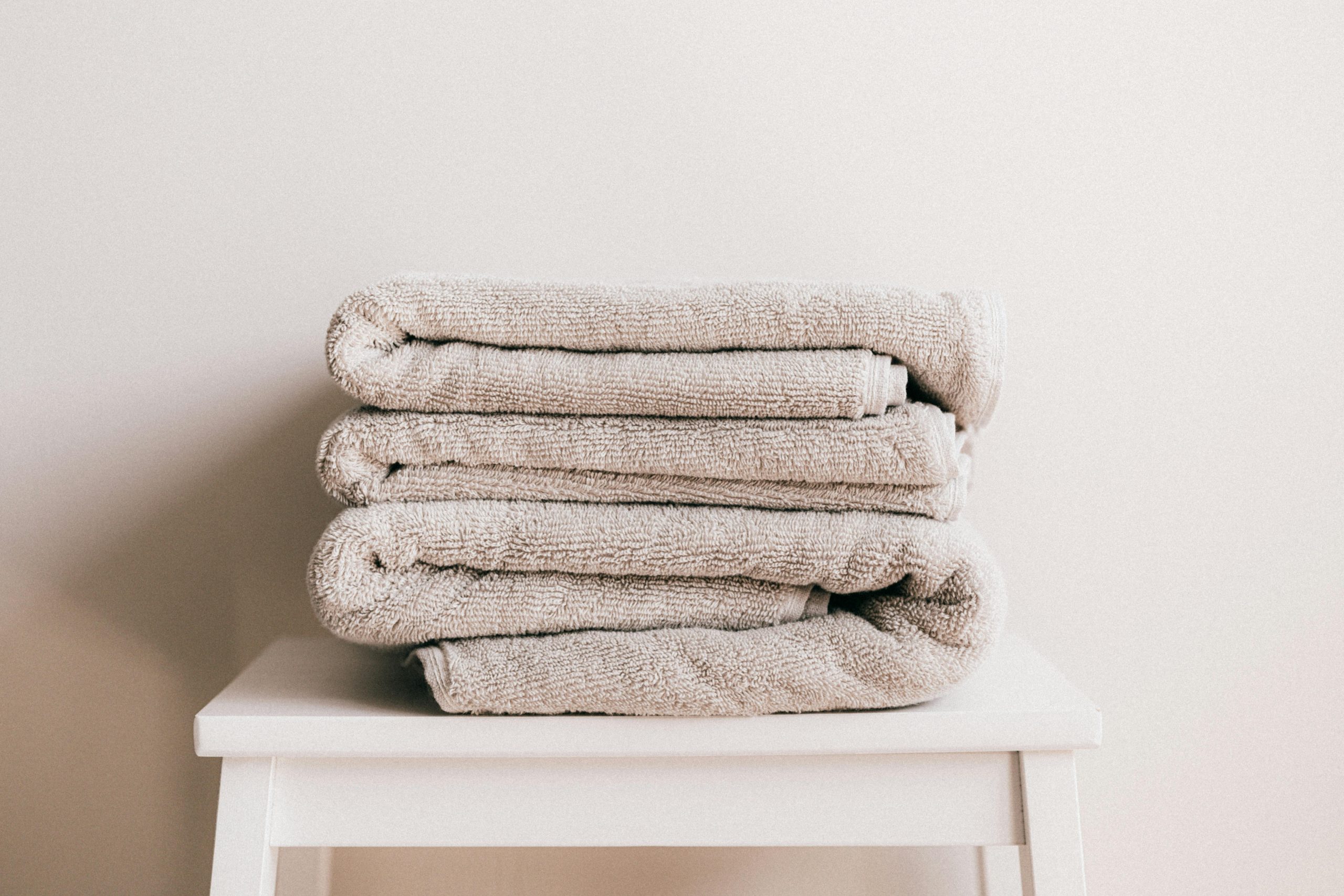
Bath towels, hand towels, washcloths, and bath mats represent the most recognizable terry cloth products. Beach towels, bathrobes, and spa wraps also rely on terry’s absorbent properties. Kitchen towels and decorative throw pillows incorporate terry cloth for both function and aesthetic appeal.
Fashion and Apparel
Terry cloth has experienced a resurgence in fashion, appearing in streetwear, loungewear, and athleisure collections. Designers create terry hoodies, shorts, bucket hats, track suits, and casual dresses. The fabric’s comfort and moisture-wicking capabilities make it suitable for activewear and summer clothing.
Baby Products
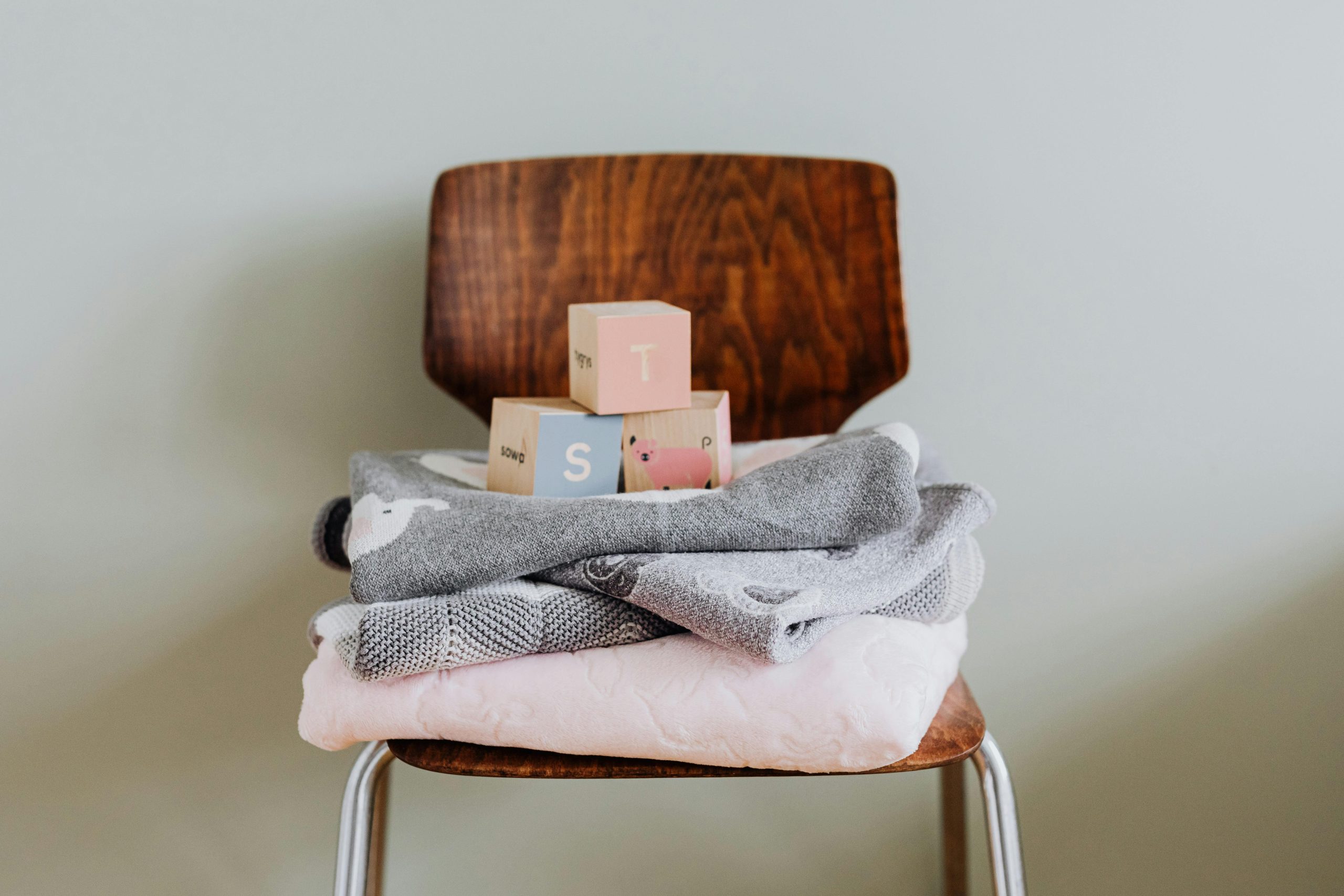
Terry cloth’s softness and absorbency make it ideal for baby bibs, burp cloths, changing pad covers, and hooded towels. The gentle texture suits sensitive infant skin, while the fabric’s washability meets the practical demands of childcare. Organic cotton and bamboo terry options address parents’ concerns about chemical exposure.
Sports and Fitness
Gym towels, yoga mat covers, sweatbands, and sports apparel utilize terry cloth’s moisture management properties. Athletes appreciate how quickly the fabric absorbs perspiration while remaining comfortable during activity. The fabric’s durability withstands the rigorous washing required for athletic gear.
Hospitality and Commercial
Hotels, spas, salons, and healthcare facilities depend on terry cloth for towels, robes, and linens. The fabric’s ability to endure industrial laundering while maintaining quality makes it essential for commercial operations. Professional-grade terry cloth often features higher GSM (grams per square meter) ratings for enhanced durability.
Understanding Terry Cloth Quality
GSM Rating
GSM measures the weight and density of terry cloth, indicating quality and performance. Lightweight terry (300-400 GSM) dries quickly and suits travel or gym use. Medium weight terry (400-600 GSM) balances absorbency and drying time for everyday towels. Heavyweight terry (600-900 GSM) provides maximum luxury and absorbency for premium bath towels and spa applications.
Fiber Quality
Long-staple cotton fibers create stronger, softer terry cloth that resists pilling and maintains integrity longer. Combed cotton removes shorter fibers and impurities, resulting in smoother, more uniform fabric. Ring-spun cotton twists fibers tightly for enhanced strength and softness.
Loop Density
Higher loop density increases absorbency and durability but may extend drying time. The balance between loop height and density determines the fabric’s performance characteristics. Premium terry cloth features consistent loop size and even distribution across the fabric surface.
Construction Method
Single-sided terry features loops on one surface, while double-sided terry has loops on both sides for increased absorbency. The weave tightness and backing fabric quality affect durability and dimensional stability. Quality construction prevents loop snagging and ensures the fabric maintains its shape through repeated use.
Care and Maintenance
Washing Guidelines
Wash new terry cloth items before first use to remove manufacturing residue and enhance absorbency. Use warm water and mild detergent, avoiding fabric softeners that coat fibers and reduce absorbency. Separate light and dark colors to prevent color bleeding, and wash similar weights together for balanced loads.
Drying Best Practices
Tumble dry on medium heat to maintain softness and fluff the loops. Remove items promptly to prevent wrinkles and musty odors. Line drying conserves energy but may result in stiffer texture. Shake out items before drying to separate loops and enhance fluffiness.
Avoiding Common Mistakes
Never use bleach on colored terry cloth, as it causes fading and fiber damage. Overloading the washing machine prevents proper cleaning and rinsing. High heat damages fibers and causes shrinkage, while fabric softeners create buildup that reduces absorbency over time.
Extending Lifespan
Rotate towels regularly to distribute wear evenly across your collection. Address stains promptly using appropriate treatments for the stain type. Store terry cloth items in dry, well-ventilated spaces to prevent mildew. Replace towels when they develop persistent odors, lose absorbency, or show visible wear.
Environmental Considerations
Sustainable Options
Organic cotton terry cloth eliminates pesticide use and supports environmentally responsible farming. Bamboo terry grows rapidly without pesticides and requires minimal water. Recycled cotton terry repurposes textile waste, reducing landfill burden and resource consumption.
Water Conservation
High-efficiency washing machines reduce water usage when cleaning terry cloth items. Washing full loads maximizes efficiency and minimizes environmental impact. Air drying when possible eliminates energy consumption from machine drying.
Certifications
GOTS (Global Organic Textile Standard) certification ensures organic fiber content and environmentally responsible processing. OEKO-TEX certification verifies the absence of harmful chemicals in finished products. Fair Trade certification indicates ethical labor practices throughout the supply chain.
Choosing the Right Terry Cloth
For Home Use
Consider your priorities regarding absorbency, drying time, and luxury feel. Evaluate your laundry frequency and storage space when selecting towel weights. Match towel colors and styles to your bathroom décor while prioritizing quality over aesthetics alone.
For Commercial Applications
Assess durability requirements based on laundering frequency and usage intensity. Calculate long-term costs considering replacement frequency and maintenance needs. Select appropriate GSM ratings that balance performance with operational efficiency.
For Fashion and Apparel
Consider the intended use and required comfort level when selecting terry weight. Evaluate whether French terry’s smooth interior suits your design better than traditional loop terry. Test fabric drape and stretch characteristics for the specific garment application.
Innovations in Terry Cloth
Performance Enhancements
Manufacturers now incorporate silver ions or antimicrobial treatments to prevent odor and bacteria growth. Cooling technologies integrate phase-change materials that regulate temperature. Moisture-wicking enhancements speed drying and improve comfort in athletic applications.
Sustainable Manufacturing
Waterless dyeing technologies reduce environmental impact during production. Closed-loop manufacturing systems recycle water and chemicals throughout the process. Bio-based softening agents replace petroleum-derived fabric treatments.
Design Advances
Digital printing enables intricate patterns and custom designs on terry cloth surfaces. Jacquard weaving creates textured patterns and logos directly in the fabric. Blend innovations combine natural and synthetic fibers to optimize specific performance characteristics.
Frequently Asked Questions
What makes terry cloth so absorbent?
The looped pile construction creates extensive surface area that traps and holds moisture within the fabric structure. Each loop acts as a tiny reservoir, allowing terry cloth to absorb multiple times its weight in water. The density and height of these loops directly determine absorbency levels, with higher quality terry featuring more loops per square inch.
Why do new terry towels feel less absorbent?
New terry cloth often has manufacturing residue, oils, or sizing treatments on the fibers that temporarily reduce absorbency. Washing new towels two or three times removes these coatings and allows the natural cotton fibers to fully absorb moisture. Avoid fabric softeners during initial washes, as they create additional coating that inhibits water absorption.
Can I use fabric softener on terry cloth?
Fabric softeners should be avoided on terry cloth because they coat the fibers with chemicals that significantly reduce absorbency. These products make towels feel initially softer but compromise their primary function of absorbing water. Instead, use white vinegar in the rinse cycle occasionally to maintain softness without affecting absorbency.
How often should I replace bath towels?
Quality terry cloth towels typically last two to five years with proper care, though replacement depends on usage frequency and care practices. Replace towels when they develop persistent musty odors that washing cannot remove, lose significant absorbency, show visible thinning or holes, or become scratchy despite proper care.
What does GSM mean for terry cloth?
GSM stands for grams per square meter and measures terry cloth weight and density. Lower GSM (300-400) indicates lightweight, quick-drying towels suitable for travel or gym use. Medium GSM (400-600) provides everyday functionality with balanced absorbency and drying time. High GSM (600-900) represents luxury towels with maximum absorbency and plush feel but longer drying times.
Is Egyptian or Turkish cotton terry better?
Both Egyptian and Turkish cotton produce exceptional terry cloth, though they differ slightly in characteristics. Egyptian cotton features extra-long staple fibers that create exceptionally soft, durable fabric with excellent absorbency. Turkish cotton traditionally uses long-staple fibers and becomes softer with each wash while maintaining absorbency. The choice depends on personal preference rather than objective superiority.
Why do my terry towels smell musty?
Musty odors develop when towels remain damp too long, allowing mildew and bacteria to grow within the loops. Inadequate washing, overloading the machine, using insufficient detergent, or storing towels before they fully dry all contribute to odor problems. Wash towels in hot water with adequate detergent, ensure complete drying, and store only fully dry towels in ventilated spaces.
Can terry cloth shrink?
Terry cloth can shrink, particularly when first washed or exposed to high heat. Cotton terry typically shrinks three to five percent during initial washing as fibers relax and contract. To minimize shrinkage, wash in warm rather than hot water, avoid high heat in the dryer, and remove items promptly when dry. Pre-shrunk terry cloth reduces but doesn’t eliminate this issue.
What’s the difference between terry and velour?
Terry cloth features uncut loops on the surface, while velour terry has sheared or cut loops that create a smooth, velvety texture. Both maintain similar absorbency levels, though velour offers a more luxurious appearance and softer feel. Velour shows less snagging but may collect lint more readily than traditional loop terry.
Is bamboo terry cloth really antibacterial?
Bamboo fibers naturally contain an antimicrobial agent called bamboo kun that resists bacteria and fungus growth. However, the manufacturing process that converts bamboo into fabric may reduce these natural properties. Quality bamboo terry retains some antimicrobial characteristics, making it more resistant to odor development than conventional cotton, though it’s not completely bacteria-proof.
How do I remove stains from white terry cloth?
For white terry cloth, soak stained items in a solution of hot water and oxygen-based bleach for several hours before washing. Avoid chlorine bleach, which weakens fibers over time. For specific stains, treat with appropriate pre-treatments: hydrogen peroxide for blood, dish soap for oils, and enzyme cleaners for protein-based stains. Always test treatments on inconspicuous areas first.
Why are hotel towels so fluffy?
Hotels typically use high-GSM terry cloth and industrial washing equipment that thoroughly rinses detergent residue. They avoid fabric softeners, which reduce fluffiness and absorbency. Commercial dryers and proper drying techniques restore loop loft and create the characteristically fluffy texture. Frequent replacement ensures towels maintain optimal condition.
Can I iron terry cloth?
Ironing terry cloth is generally unnecessary and may flatten the loops, reducing absorbency and softness. If ironing becomes necessary for specific applications, use low heat and iron only the smooth backing side, never the looped surface. Most wrinkles naturally release during use or can be minimized by promptly removing items from the dryer.
What causes terry cloth to pill or shed?
Pilling occurs when shorter fibers break free and tangle into small balls on the fabric surface. Low-quality terry cloth with short fibers pills more readily than premium long-staple varieties. Excessive friction from washing with rough items, overloading the machine, or high-heat drying accelerates pilling. Remove pills with a fabric shaver rather than pulling them, which damages surrounding loops.
Is French terry the same as regular terry cloth?
French terry differs from traditional terry cloth in construction and appearance. Standard terry has loops on one or both sides, while French terry features loops on one side only with a smooth, flat surface on the reverse. This makes French terry lighter, less bulky, and ideal for clothing, while traditional terry excels in applications requiring maximum absorbency like towels and bathrobes.