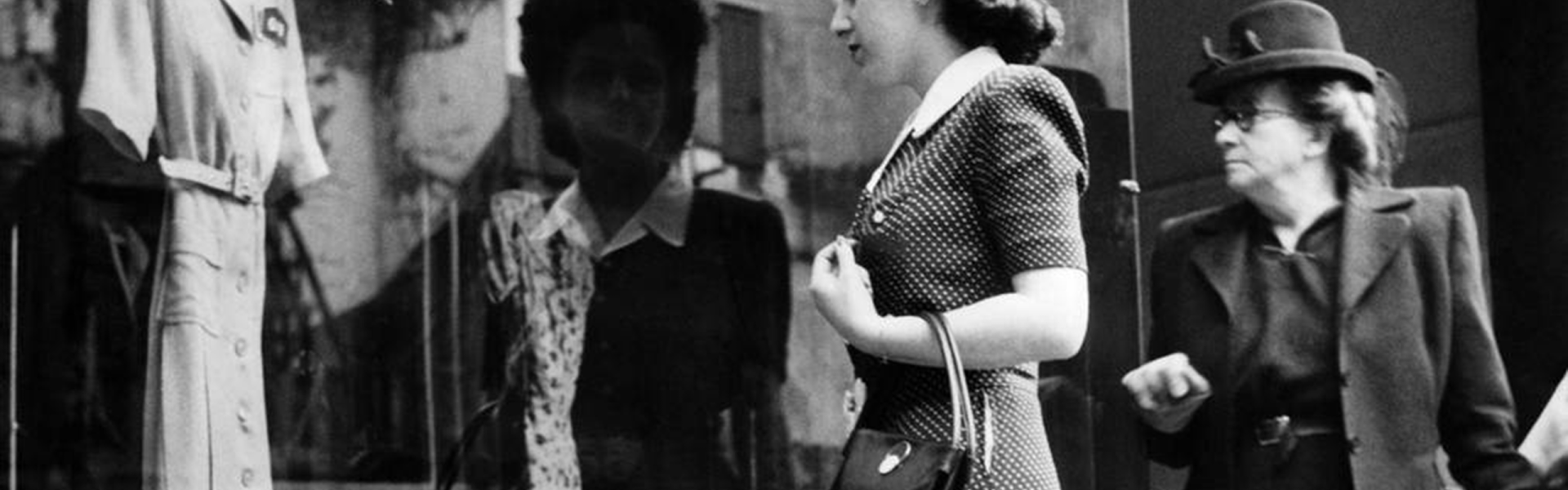

The 1940s represented a fascinating dichotomy in women’s fashion, particularly for the upper class 1940s women’s fashion. While World War II imposed rationing and fabric restrictions across most of society, wealthy women maintained their sophisticated wardrobes through custom tailoring, luxury imports, and access to haute couture that remained beyond reach for the average woman. This era produced some of the most iconic silhouettes in fashion history, blending practical wartime innovations with enduring elegance that continues to inspire contemporary designers.
The Defining Silhouette: Structured Sophistication
Upper class 1940s fashion centered on a distinctly feminine yet powerful silhouette that balanced authority with grace. The era’s signature look featured broad, structured shoulders that created a strong, confident line, paired with a sharply nipped-in waist that emphasized the natural hourglass figure. Skirts fell to mid-calf or just below the knee, creating an elongated, elegant proportion that conveyed both propriety and sophistication.
This wedge-shaped silhouette represented more than aesthetic preference. As women entered the workforce in unprecedented numbers during wartime, fashion adapted to reflect their expanding roles while maintaining traditional femininity. The structured shoulders conveyed capability and authority, while the defined waist and modest hemlines preserved conventional notions of elegance and respectability.
The fit of garments mattered enormously in upper class circles. Unlike ready-to-wear clothing available to the masses, wealthy women’s wardrobes consisted primarily of custom-tailored pieces or haute couture from prestigious fashion houses. Every seam, dart, and pleat was precisely engineered to flatter the individual wearer, creating a polished perfection that immediately distinguished upper class fashion from more affordable alternatives.
The Evolution Through the Decade
Early 1940s: Elegant Austerity
The early years of the decade saw upper class fashion navigate the tension between tradition and wartime necessity. While government regulations limited fabric usage for most citizens, wealthy women accessed luxury materials through established relationships with exclusive boutiques and international fashion houses. Paris, though occupied, remained influential through its established couture houses operating under constraints.
Daytime fashion emphasized tailored suits in high-quality wool, featuring the decade’s characteristic broad shoulders and nipped waists. These suits often included matching jackets and A-line skirts, creating a coordinated, polished appearance suitable for charity work, shopping in upscale districts, or luncheons at exclusive clubs. The tailoring was impeccable, with hand-finished details and linings in silk or satin that spoke to the garment’s quality even when hidden from view.
Evening wear maintained pre-war glamour despite material restrictions. Floor-length gowns in silk, satin, or velvet showcased intricate beading, sequins, and embroidery that required skilled craftsmanship. These garments often featured draped details and bias-cut construction that created fluid movement and emphasized the feminine form without appearing overtly provocative.
Mid-1940s: Wartime Resourcefulness
As the war progressed, even upper class fashion reflected some wartime influences, though wealthy women experienced these limitations differently than the general population. The wealthy maintained elegance through quality rather than quantity, investing in versatile pieces that could be accessorized differently for various occasions rather than maintaining vast wardrobes.
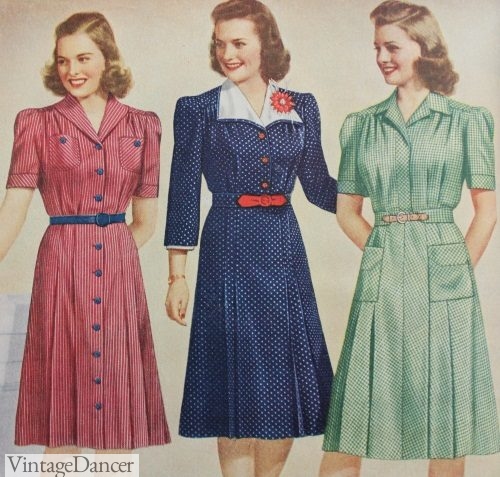
The shirtwaist dress emerged as a refined daytime staple, featuring a fitted bodice with button-front closure and a full skirt. In luxury versions, these dresses came in high-quality fabrics with hand-stitched details, pearl buttons, and custom tailoring that elevated the simple silhouette into something sophisticated. The Kitty Foyle dress, named after the 1940 film, became particularly fashionable among upper class women for its flattering silhouette and modest elegance.
Accessories became increasingly important for demonstrating wealth and status when fabric restrictions made lavish clothing less feasible. Elaborate hats adorned with feathers, flowers, and veiling, along with fine leather gloves, silk scarves, and genuine pearl jewelry, allowed wealthy women to maintain their distinctive appearance even when wearing simpler garments.
Late 1940s: The New Look Revolution
The war’s end brought seismic changes to fashion, culminating in Christian Dior’s revolutionary New Look in 1947. This collection rejected wartime austerity with abundant fabric, ultra-feminine silhouettes, and unabashed luxury. Upper class women embraced this transformation eagerly, celebrating the return of extravagance after years of relative restraint.
The New Look featured dramatically cinched waists, rounded shoulders, and full, voluminous skirts that used yards of fabric. Hemlines dropped to mid-calf or below, and the overall effect emphasized a soft, romantic femininity that contrasted sharply with the angular, structured silhouettes of earlier in the decade. Wealthy women who could afford Dior’s haute couture or high-quality interpretations led this fashion revolution, reasserting their status through conspicuous consumption of luxurious materials.
Evening wear became increasingly elaborate, with strapless or off-shoulder gowns in rich fabrics like silk taffeta, embellished with elaborate beading, lace overlays, and dramatic trains. These gowns required the kind of custom fitting and expert construction that only the wealthy could access, making them powerful symbols of elite status in the post-war era.
Fabric and Quality: The Upper Class Advantage
While most women contended with fabric rationing and synthetic materials, upper class wardrobes maintained their foundation in luxury textiles. High-quality wool in various weights served for tailored suits and day dresses, often sourced from exclusive suppliers or imported despite wartime restrictions. Silk, increasingly rare for average citizens, remained available to the wealthy through established connections and black market access.
Evening wear showcased the most luxurious materials: pure silk satin with its characteristic luster, silk velvet with its rich depth and texture, and delicate silk chiffon for romantic, flowing overlays. These fabrics not only looked and felt superior but also draped and moved in ways that synthetic alternatives could never replicate, creating a visual distinction that announced the wearer’s status from across a room.
The quality extended beyond fabric to construction techniques. Hand-finished seams, French seams that enclosed raw edges, hand-sewn buttonholes, and silk linings throughout garments represented the level of craftsmanship that defined upper class fashion. These details, invisible at a glance, created garments that wore beautifully, maintained their shape through years of use, and felt luxurious against the skin.
The Complete Upper Class Wardrobe
Tailored Suits: The Foundation
Every upper class woman’s wardrobe centered on several impeccably tailored suits. These typically featured hip-length jackets with structured shoulders, fitted waists, and peplum details that emphasized the hourglass silhouette. Skirts were either pencil-straight or slightly A-line, falling to just below the knee. The most sophisticated suits came in coordinating sets, with matching jackets and skirts in high-quality wool or wool blends.
Colors leaned toward refined neutrals and rich jewel tones. Navy, black, deep burgundy, forest green, and sophisticated grays dominated, with occasional touches of camel or chocolate brown. These colors conveyed authority and elegance while remaining versatile enough to wear repeatedly without appearing monotonous when accessorized differently.
Day Dresses: Polished Propriety
For less formal daytime occasions, upper class women wore carefully tailored dresses that maintained the era’s characteristic silhouette while offering more variety in style. The shirtwaist dress, with its defined waist and button-front bodice, provided a refined yet practical option. More elaborate day dresses featured draped necklines, peplum waists, or subtle pleating that added visual interest while maintaining propriety.
Tea dresses occupied a special category for afternoon social events. These typically featured softer fabrics, more feminine details like lace collars or embroidered accents, and slightly more relaxed silhouettes while still maintaining the defined waist and modest hemline that characterized the era.
Evening Wear: Glamorous Sophistication
Evening gowns represented the pinnacle of 1940s upper class fashion. Floor-length designs in luxurious fabrics showcased elaborate details: intricate beading that caught candlelight, sequined bodices that shimmered with movement, and draped silk that created classical, statue-like silhouettes. Many gowns featured sweetheart necklines, off-shoulder designs, or elegant halter styles that revealed refined expanses of skin while maintaining overall modesty.
The bias-cut technique, perfected in the 1930s, remained popular for evening wear throughout the 1940s. This construction method, which cut fabric diagonally across the grain, created garments that draped beautifully and clung to the body in flattering ways without requiring fitted seams. The result was fluid, elegant movement that epitomized Hollywood glamour.
Sportswear: Refined Leisure
Upper class women’s leisure activities demanded specialized clothing that maintained elegance while allowing for physical activity. Riding attire featured expertly tailored jodhpurs or breeches paired with fitted jackets. Tennis wear included pleated skirts and coordinating tops in crisp white fabrics. Yachting fashion embraced nautical themes with tailored sailor pants, striped tops, and sophisticated blazers.
Even casual beach or resort wear maintained high standards. Beach pajamas—wide-legged, flowing trousers paired with coordinating tops—offered a glamorous alternative to swimwear for socializing near water. These ensembles, often in bold prints or solid jewel tones, demonstrated that even relaxation demanded sartorial sophistication.
Accessories: The Finishing Touches
Hats: Crowning Glory
No upper class woman of the 1940s appeared in public without a hat. These ranged from practical felt fedoras and berets for daily wear to elaborate wide-brimmed creations adorned with feathers, flowers, ribbons, and veiling for special occasions. Hat styles evolved throughout the decade, from smaller, tilted styles early on to the more dramatic picture hats that emerged post-war.
The quality of millinery work distinguished upper class hats from mass-produced alternatives. Fine straw, felt, or velvet bases, hand-stitched details, and custom shaping created pieces that complemented the wearer’s face and coordinated perfectly with specific outfits. Many wealthy women maintained relationships with exclusive milliners who created bespoke hats for important occasions.
Gloves: Essential Elegance
Gloves served both practical and symbolic purposes in upper class fashion. During the day, women wore shorter gloves in leather or fabric that matched or complemented their outfits. Evening events demanded longer gloves in silk, satin, or fine kidskin that extended past the elbow. The quality of glove leather and the precision of the fit immediately distinguished expensive gloves from cheaper alternatives.
Color coordination mattered enormously. Gloves matched shoes and handbags in carefully curated color schemes. Neutral colors like black, navy, brown, and white offered versatility, while colored gloves in burgundy, forest green, or gray added sophisticated accents to specific ensembles.
Shoes: Foundation of Elegance
Upper class footwear combined style with quality craftsmanship. Pumps with moderate Cuban heels provided the standard for daytime wear, crafted in fine leather with leather soles and careful construction that ensured comfort and durability. Peep-toe designs emerged as fashionable alternatives, offering a hint of daring within the era’s otherwise modest aesthetic.
Evening shoes featured more delicate construction, with higher heels and embellishments like rhinestone clips or satin bows. T-strap and ankle-strap styles remained popular throughout the decade. The finest shoes came from established European manufacturers or exclusive American shoemakers, with hand-stitched construction and premium materials that ensured both beauty and comfort.
Jewelry: Timeless Investment
Upper class jewelry leaned toward classic pieces that conveyed wealth through quality rather than ostentation. Genuine pearls—whether single strands or multiple-strand necklaces—served as wardrobe staples, appropriate for nearly any occasion. Diamond brooches, often in Art Deco designs that remained fashionable from the previous decade, adorned jacket lapels or dress bodices.
Gold jewelry featured prominently, often in yellow gold with its warm luster. Charm bracelets gained popularity, with wealthy women collecting meaningful charms that represented personal experiences and interests. Rings featured sizeable center stones surrounded by smaller diamonds or colored gemstones, with platinum settings that reflected the era’s appreciation for fine metalwork.
Hollywood Influence: The Golden Age of Glamour
Hollywood’s golden age profoundly influenced upper class fashion throughout the 1940s. Movie studios employed premier costume designers like Adrian, who created iconic looks that wealthy women eagerly replicated. Stars like Joan Crawford, with her exaggerated shoulder pads and immaculate tailoring, epitomized powerful femininity that resonated with upper class sensibilities.
Ava Gardner’s sultry elegance, Grace Kelly’s refined sophistication, Rita Hayworth’s glamorous allure, and Katherine Hepburn’s tailored confidence each represented different aspects of 1940s upper class style. Wealthy women studied these actresses’ appearances both on and off screen, incorporating elements that aligned with their personal style into their own wardrobes.
The relationship between Hollywood and high fashion was symbiotic. Costume designers sourced inspiration from haute couture, while fashion houses recognized films’ power to popularize their designs among wealthy clients who aspired to capture movie star glamour in their everyday lives.

Fashion Etiquette and Social Expectations
Upper class women navigated complex social rules regarding appropriate dress for various occasions. Morning shopping or charitable activities demanded tailored suits or day dresses with coordinating accessories. Afternoon teas required slightly more elaborate dresses, often with softer fabrics and more decorative details. Cocktail hour necessitated sophisticated dresses in rich fabrics but shorter than full evening gowns. Formal evening events demanded floor-length gowns, long gloves, and statement jewelry.
The concept of dressing appropriately extended beyond occasion to seasonal considerations. Winter wardrobes featured darker, heavier fabrics and fuller coverage, often accessorized with fur stoles or coats. Summer allowed lighter colors and fabrics, though never at the expense of propriety. Resort wear for winter vacations in warm climates represented a distinct category, combining casual elegance with attention to coordinated ensembles.
Changing clothes multiple times daily remained standard practice among the upper classes. Women dressed for breakfast, changed for morning activities, dressed again for afternoon events, and selected entirely different ensembles for evening affairs. This expectation required extensive wardrobes and the assistance of personal maids to maintain, pressing, and coordinate these numerous outfits.
The Legacy of 1940s Upper Class Fashion
The influence of 1940s upper class fashion extends far beyond its decade. The era’s emphasis on structured shoulders and defined waists resurfaces repeatedly in contemporary fashion. Designers continually reference the decade’s elegant silhouettes, particularly the post-war New Look that revolutionized women’s fashion with its celebration of femininity and luxury.
Modern vintage enthusiasts seek authentic 1940s pieces, recognizing the superior construction and timeless elegance that characterize the era’s high-end fashion. The decade’s tailoring techniques, quality standards, and attention to fit offer lessons that resonate in an age of fast fashion and disposable clothing.
The 1940s demonstrated fashion’s ability to maintain elegance despite adversity, adapt to changing social roles while preserving femininity, and balance innovation with tradition. These principles remain relevant for contemporary fashion, making upper class 1940s style perpetually inspiring for those who appreciate sophisticated, well-crafted clothing.
Frequently Asked Questions
What defined upper class fashion in the 1940s versus middle class fashion?
Upper class fashion distinguished itself primarily through quality of materials, custom tailoring, and adherence to elaborate social dress codes. While middle class women wore ready-made clothing in synthetic or lower-quality fabrics, wealthy women accessed haute couture, bespoke tailoring, and luxury materials like pure silk and fine wool even during wartime rationing.
The fit was notably superior, with every garment precisely tailored to the individual. Upper class women also owned extensive wardrobes allowing multiple outfit changes daily, maintained appearances with expensive accessories, and followed strict etiquette about appropriate dress for each social occasion.
How did World War II affect upper class women’s fashion?
World War II influenced upper class fashion less severely than it affected average women. While fabric rationing and restrictions applied officially to everyone, wealthy women circumvented many limitations through established relationships with exclusive boutiques, access to black markets, and ability to afford haute couture that operated outside standard regulations.
They adapted by emphasizing quality over quantity, investing in versatile pieces rather than vast wardrobes, and using elaborate accessories to maintain distinctive appearances. The broader shoulders and practical suit styles influenced by women’s wartime work roles were adopted but executed in luxury materials with impeccable tailoring that preserved upper class distinction.
What was Christian Dior’s New Look and why was it significant?
Christian Dior’s New Look, unveiled in 1947, revolutionized post-war fashion by rejecting wartime austerity for extravagant femininity. The collection featured ultra-cinched waists, rounded shoulders, and dramatically full skirts using lavish amounts of fabric. This represented a radical departure from the practical, fabric-conserving styles of the war years.
Upper class women embraced it eagerly as it reasserted luxury, femininity, and status through conspicuous consumption of expensive materials and expert construction. The New Look essentially marked fashion’s celebration of peace and prosperity, with wealthy women leading the transformation as the style required extensive fabric and expert tailoring only they could afford.
What role did hats play in 1940s upper class fashion?
Hats were absolutely essential in upper class 1940s fashion—no properly dressed woman appeared in public without one. They served both practical and symbolic purposes, protecting hair and completing ensembles while signaling social status through quality and style. Upper class hats featured superior construction, fine materials like felt or straw, and custom details.
Styles ranged from practical fedoras and berets for daytime to elaborate wide-brimmed creations with feathers, flowers, and veiling for special occasions. Many wealthy women worked with exclusive milliners for bespoke hats coordinated with specific outfits, treating millinery as an art form rather than mere accessory.
How did Hollywood influence upper class fashion in the 1940s?
Hollywood exerted enormous influence on upper class fashion during its golden age. Movie stars like Joan Crawford, Ava Gardner, Rita Hayworth, and Grace Kelly set trends through both their on-screen costumes and personal style. Wealthy women studied these actresses carefully, replicating elements that suited their tastes. Costume designers like Adrian created iconic looks that fashion houses then adapted for high-end clients.
The relationship was symbiotic—Hollywood drew inspiration from haute couture while popularizing designer fashions among wealthy audiences. Movie studios essentially functioned as fashion showcases, with premier designers creating looks that upper class women eagerly commissioned from their personal dressmakers or purchased from exclusive boutiques.
What fabrics were considered luxury in the 1940s?
Luxury fabrics included pure silk in various weights and weaves—silk satin for evening gowns, silk crepe for day dresses, silk chiffon for romantic overlays. High-quality wool in fine weaves served for tailored suits, while silk velvet and taffeta created dramatic evening wear. These natural fibers not only looked and felt superior but draped beautifully and wore well over time.
Wartime scarcity made silk particularly precious, as most silk production went to military uses like parachutes. Wealthy women’s access to these luxury materials despite rationing immediately distinguished their wardrobes from those containing rayon, cotton, or other more readily available fabrics. Fine lace, quality leather, and genuine furs also signaled upper class status.
How many outfit changes did upper class women make daily?
Upper class women typically changed clothes three to five times daily depending on their social schedule. A typical day might include a morning outfit for breakfast and household management, a tailored suit or day dress for shopping or charity work, a tea dress for afternoon social calls, a cocktail dress for early evening entertaining, and a formal gown for dinner or theater.
Each change required appropriate accessories—different hats, gloves, shoes, and jewelry. This expectation necessitated extensive wardrobes and usually the assistance of personal maids to maintain, press, and coordinate ensembles. The practice demonstrated both leisure time and financial resources to maintain such elaborate routines.
What made 1940s tailoring so distinctive?
1940s tailoring emphasized precise construction creating the era’s characteristic silhouette—broad, structured shoulders, sharply nipped waists, and moderate-length skirts. Upper class garments featured hand-finished details invisible to casual observers but evident in how pieces wore and moved. French seams enclosed raw edges, hand-sewn buttonholes created perfect closures, silk linings throughout ensured comfort and shape retention.
Shoulder pads were carefully shaped and positioned, waist darts precisely engineered. Custom tailoring meant every garment was fitted to the individual’s exact measurements and adjusted through multiple fittings. This level of construction required skilled craftspeople and substantial time, making it accessible primarily to wealthy clients who appreciated and could afford such quality.
How did upper class sportswear differ from casual clothing?
Upper class sportswear maintained sophistication while accommodating physical activity—it wasn’t casual in the modern sense. Riding attire featured expertly tailored jodhpurs and fitted jackets in quality fabrics. Tennis wear included pleated skirts and coordinating tops in crisp materials. Yachting fashion embraced nautical themes with tailored sailor pants and blazers. Even beach or resort wear like beach pajamas demonstrated refined elegance.
Each activity had specific appropriate attire that maintained upper class standards through quality materials, proper fit, and coordinated ensembles. This contrasted sharply with truly casual clothing, which wealthy women rarely wore outside completely private settings. The distinction reinforced class boundaries—leisure activities themselves became opportunities to display refined taste and financial resources.
What jewelry pieces were essential in an upper class 1940s wardrobe?
Essential jewelry included genuine pearl necklaces—single or multiple strands appropriate for virtually any occasion. Diamond brooches in Art Deco designs adorned jacket lapels and dress bodices. Gold charm bracelets grew popular for collecting meaningful charms. Cocktail rings featured sizeable gemstones in platinum or gold settings. Matching earring and necklace sets in pearls or diamonds served for formal occasions.
Quality watches in gold cases with leather or metal bands combined functionality with elegance. These pieces emphasized investment quality and timeless style over trendy ostentation. Jewelry often represented family heirlooms passed through generations, adding sentimental value to their material worth. The emphasis was on genuine materials and classic designs that maintained value and remained appropriate across decades.
How did upper class fashion etiquette regarding gloves work?
Glove etiquette followed strict rules. Women wore gloves whenever appearing in public, removing them only for dining. Daytime gloves were shorter, typically wrist-length, in leather or fabric matching the outfit’s color scheme. Evening gloves extended past the elbow in silk, satin, or fine kidskin, creating dramatic elegance with formal gowns.
When wearing bracelets, gloves were worn beneath them. At formal dinners, women removed gloves before entering the dining room, carrying them discreetly. The quality of glove leather, precision of fit, and careful color coordination immediately distinguished upper class women from those wearing cheaper alternatives. Many wealthy women owned dozens of pairs in various colors and lengths to coordinate with different ensembles and occasions.
What distinguished custom haute couture from high-quality ready-to-wear?
Haute couture pieces were created entirely for individual clients through multiple fittings, with every element customized to the wearer’s measurements, preferences, and lifestyle. Construction involved extensive hand-sewing, with seam finishes and internal construction as refined as external appearance. Fabrics were the finest available, often sourced specifically for each garment. Ready-to-wear, even high-quality versions, were produced in standard sizes requiring alterations for proper fit. While superior ready-to-wear used quality materials and construction, it couldn’t match the personalized perfection of couture. Couture garments bore the designer’s label and often included documentation of creation. The investment was substantial—a single couture gown cost what average families earned in months—but wealthy clients valued the exclusivity, perfect fit, and prestige associated with wearing pieces created by legendary designers specifically for them.