
The 1920s represented a golden era of masculine elegance and sophisticated style. Known as the Jazz Age, the Roaring Twenties, or the era immortalized in The Great Gatsby, this decade revolutionized men’s party fashion with its emphasis on tailored suits, dapper accessories, and refined details. Whether you’re preparing for a themed event, Gatsby party, or simply want to understand this iconic period, this comprehensive guide reveals everything you need to master 1920s mens party fashion and authentic 1920s men’s party attire.
The Cultural Context of 1920s Men’s Fashion
The end of World War I ushered in an era of prosperity, cultural liberation, and social change. Men returning from war embraced life with renewed vigor, and this energy manifested in fashion that was both polished and expressive. The prohibition era created an underground nightlife culture where speakeasies became the epicenter of social life, and dressing sharply became a statement of success and sophistication.
During this transformative decade, men’s fashion evolved from the rigid formality of the Edwardian era toward more comfortable yet equally elegant styles. The silhouette became leaner, fabrics lighter, and the overall aesthetic more relaxed while maintaining impeccable tailoring standards. This balance between comfort and sophistication defined the gentleman of the Jazz Age.
The Foundation: 1920s Suits and Formal Wear
Three-Piece Suits: The Quintessential Look
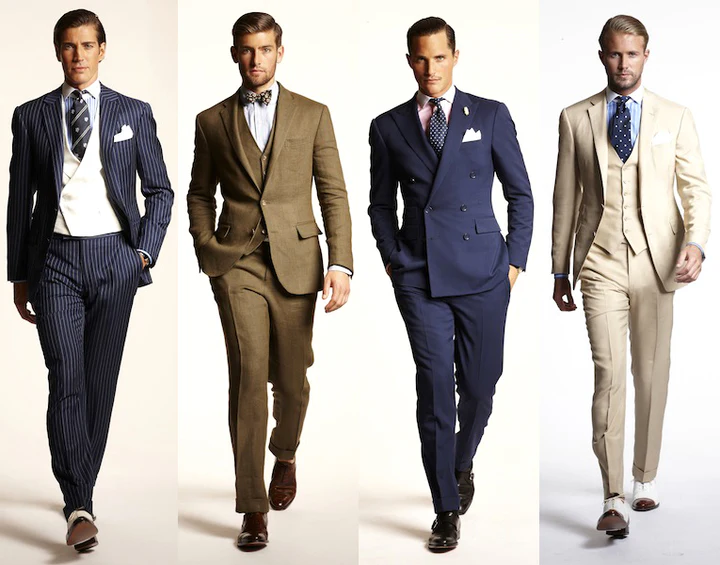
The three-piece suit dominated 1920s men’s party fashion. These ensembles consisted of matching jacket, waistcoat, and trousers, creating a complete and polished appearance. Unlike modern suits with their slim, tapered cuts, 1920s suits featured broader shoulders, higher waistlines, and fuller trouser legs that created a distinctive vintage silhouette.
Jackets typically included notch lapels or peaked lapels, with two or three buttons positioned higher on the torso than contemporary styles. The waistcoat, an essential component, added an extra layer of sophistication and provided the perfect canvas for displaying a pocket watch chain. For evening events, men often chose darker fabrics like navy, charcoal, or black, while daytime affairs permitted lighter shades of grey, brown, or tan.
Fabric Choices and Patterns
Wool remained the primary fabric for quality suits, with different weights appropriate for various seasons. Herringbone weaves, chalk stripes, and pinstripes were immensely popular patterns that added visual interest without overwhelming the overall look. Pinstripe suits, particularly associated with gangsters and businessmen, featured thin vertical lines that elongated the figure and conveyed authority.
For summer parties and warm-weather events, linen suits in cream, white, or light grey offered breathable elegance. Tweed suits, with their textured appearance and earthy tones, were favored for more casual daytime gatherings. The quality of fabric and precision of tailoring separated gentlemen from ordinary men during this period.
Trouser Styles of the Era
Trousers in the 1920s sat high on the natural waist, often reaching the belly button or slightly above. This high-rise design created clean lines and allowed the waistcoat to peek out just below the jacket. Trouser legs were noticeably wider than modern styles, with some variations like Oxford bags featuring extremely wide legs that measured up to twenty-two inches at the hem.
Most dress trousers included cuffs (turn-ups) at the bottom, typically one to two inches deep. Pleats at the waistband provided additional comfort and freedom of movement, essential for the energetic dancing popular at 1920s parties. Suspenders (braces) kept trousers properly positioned, as belts were considered too casual for formal occasions.
Essential Shirts and Neckwear
Dress Shirts for Evening Wear
Evening dress shirts differed significantly from daytime casual shirts. Formal occasions demanded white shirts with starched fronts, creating a crisp, structured appearance. Collar styles varied, with the wing collar being most formal for white-tie events, while turn-down collars with rounded or pointed tips suited semi-formal gatherings.
Detachable collars remained common during the early 1920s, allowing men to maintain fresh-looking shirts by simply changing the collar rather than the entire garment. Shirts featured French cuffs that required cufflinks, adding another opportunity for personal expression through jewelry. The fit was looser than modern shirts, prioritizing comfort during extended evening affairs.
Neckwear Variations
Bow ties reached peak popularity during the 1920s, particularly for formal evening events. Black silk bow ties complemented dinner jackets, while patterned or colored versions added personality to daytime suits. The key was ensuring the bow tie matched the formality level of the overall outfit.
Four-in-hand neckties offered an alternative for less formal occasions. These ties were wider than contemporary styles and featured bold patterns, stripes, or geometric art deco designs. Tie clips and pins kept neckwear neatly in place while adding a decorative element. For the most formal white-tie events, men wore white bow ties with tailcoats.
Footwear That Defined the Decade
Spectator Shoes and Two-Tone Styles
Perhaps no footwear better captures 1920s party fashion than spectator shoes. These distinctive two-tone shoes featured contrasting colors, typically combining white or cream with black, brown, or tan. The contrast created visual interest and perfectly complemented the era’s aesthetic. Spectator shoes worked particularly well with lighter colored suits and became synonymous with the dapper gentleman.
Wingtip Brogues and Oxfords
Wingtip brogues, characterized by their decorative perforations and distinctive toe cap extending along both sides of the shoe, were another staple of 1920s footwear. The brogue detailing added texture and sophistication while remaining appropriate for formal occasions. Patent leather oxfords in black offered the most formal option for evening wear, providing a sleek, polished appearance.
High-quality leather was essential, and proper shoe care maintained the gentleman’s appearance. Men typically owned multiple pairs, rotating them to extend their lifespan. The shoes featured slightly more rounded toes than modern dress shoes, contributing to the period-appropriate silhouette.
Spats: The Finishing Touch
Spats, or gaiters, covered the instep and ankle, creating a seamless transition between trouser and shoe. These fabric or leather accessories served both practical and aesthetic purposes, protecting shoes from mud and weather while adding an extra layer of refinement. White or grey spats paired beautifully with darker suits, becoming a hallmark of wealthy, fashion-conscious men.
Accessories That Completed the Look
Hats: Essential for Every Gentleman
No 1920s gentleman ventured to a party without a hat. The fedora reigned supreme, featuring a soft felt construction, center crease, and medium-width brim. Colors ranged from black and grey to brown and tan, selected to complement the suit. The fedora could be worn at a slight angle, adding personality while maintaining sophistication.
For more casual daytime events, the newsboy cap (flat cap) offered a relaxed alternative. This eight-panel cap with its short brim front became associated with both working-class style and fashionable young men. The boater hat, made of stiff straw with a flat crown and brim, suited summer garden parties and outdoor gatherings.
Pocket Watches and Chains
Wristwatches existed but hadn’t yet replaced pocket watches as the timepiece of choice for well-dressed men. A gold or silver pocket watch connected to a chain that draped across the waistcoat created an elegant focal point. The chain might include decorative fobs or medallions, adding personalization. Checking one’s pocket watch became a gesture of refinement during the evening.
Gloves, Canes, and Additional Details
Leather gloves in grey, tan, or black completed the outdoor ensemble and demonstrated attention to detail. Men removed gloves upon entering a venue but carried them throughout the evening. Walking canes, while less common than in previous decades, remained popular accessories for formal occasions, particularly ornate versions with silver or gold handles.
Cufflinks provided another opportunity for expression, ranging from simple gold or silver studs to elaborate designs featuring precious stones or art deco patterns. Tie pins or clips secured neckwear while adding a decorative element. Silk pocket squares folded into the jacket breast pocket introduced subtle color coordination.
Outerwear for Arriving in Style
Overcoats and Topcoats
When cooler weather required outerwear, men chose between several elegant options. The Chesterfield overcoat, featuring a velvet collar and fitted waist, represented formal elegance. These knee-length or longer coats in dark colors like black, navy, or charcoal protected against cold while maintaining sophisticated appearance.
Ulster coats, typically made from heavy wool with a removable cape and belt, offered practical warmth for harsh winter conditions. For milder weather, lighter topcoats in camel or grey wool provided sufficient coverage without overwhelming the outfit underneath.
Evening Wear Specific Outerwear
For the most formal occasions, men wore opera cloaks or evening capes. These dramatic garments, often lined with silk and featuring satin lapels, created an impressive entrance. While less common than overcoats, they represented the height of formal elegance and were reserved for theater openings, galas, and the most prestigious social events.
Hair and Grooming Standards
The Slicked-Back Look
The signature 1920s hairstyle involved short sides with slightly more length on top, all slicked back with pomade or hair oil. The hair was parted either on the side or down the middle, creating clean, defined lines. This style required daily maintenance and liberal application of grooming products to maintain its glossy, controlled appearance.
Men visited barbers regularly, as maintaining the precise cut and shape was essential to the look. The back and sides were cut close but not shaved, and the overall style emphasized neatness and control. Facial hair largely fell out of fashion, with most men choosing to be clean-shaven, though thin mustaches occasionally appeared.
Different Party Types and Appropriate Attire
Speakeasy and Jazz Club Style
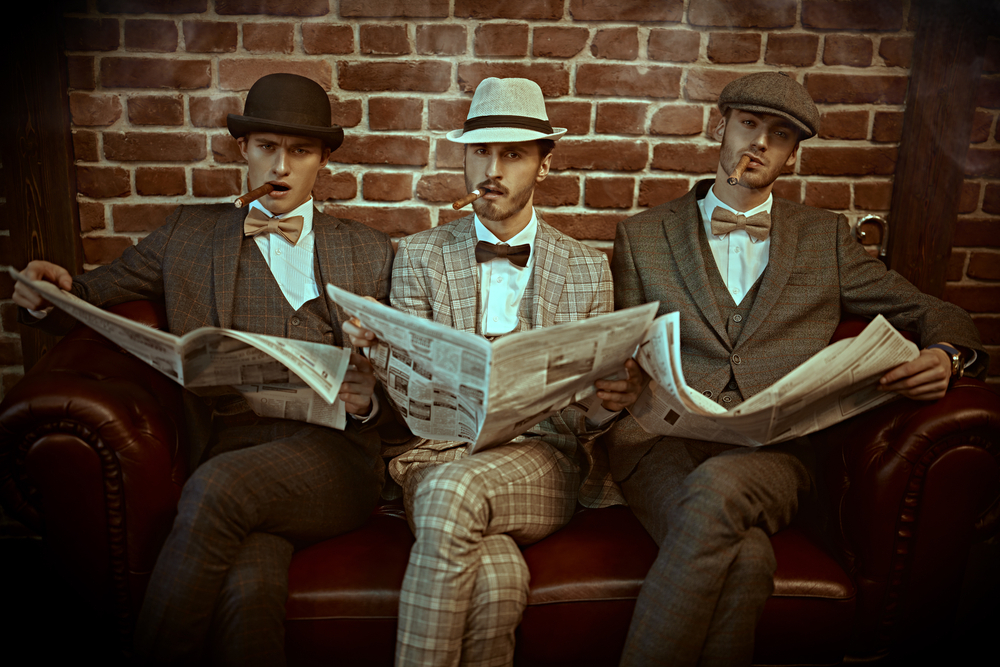
Underground speakeasies called for your sharpest attire. The darker, more intimate atmosphere of these venues suited dark pinstripe suits, bold neckties, and polished accessories. This was where the gangster aesthetic merged with gentleman’s fashion, creating an edgy yet refined look. Fedoras worn at a slight angle and pocket squares added personality without crossing into excess.
Garden Parties and Daytime Affairs
Outdoor daytime events permitted lighter colors and more relaxed styles. Cream or light grey suits, two-tone spectator shoes, and straw boater hats created appropriate summer elegance. The overall effect remained polished but acknowledged the casual nature and warm weather of the occasion.
Formal Evening Galas
The most formal events required either tuxedos (dinner jackets) or white-tie formal wear with tailcoats. These occasions demanded black patent leather shoes, white dress shirts with wing collars, and either black bow ties or white bow ties depending on the formality level. Opera capes or Chesterfield coats provided appropriate outerwear for arrivals.
Creating an Authentic 1920s Look Today
Sourcing Vintage-Inspired Pieces
Building an authentic 1920s party outfit today involves combining vintage reproduction pieces with carefully selected modern items. Specialty costume retailers offer period-accurate suits, though quality varies significantly. Higher-end options include custom tailors who can recreate 1920s patterns using period-appropriate fabrics and construction methods.
Vintage shops occasionally stock genuine 1920s pieces, though finding items in good condition and appropriate sizes can be challenging. Many enthusiasts mix authentic vintage accessories like cufflinks, tie clips, and watches with reproduction clothing, creating looks that feel genuine while remaining practical for modern wear.
Budget-Friendly Alternatives
Creating a convincing 1920s look doesn’t require expensive vintage pieces. Modern three-piece suits in classic colors can be styled appropriately with attention to details. Choose suits with higher button stances, add a vintage-style pocket watch and chain, and complete the outfit with a fedora and two-tone shoes. These key accessories signal the era more effectively than perfect period accuracy in every piece.
Thrift stores often yield surprising finds like vintage hats, waistcoats, and accessories at fraction of retail costs. With some creativity and careful shopping, you can assemble an impressive 1920s party outfit within modest budgets.
Common Mistakes to Avoid
Modern Silhouette Errors
The biggest mistake in recreating 1920s fashion is using modern slim-fit clothing. Contemporary suits with their narrow lapels, low button stances, and skinny trousers look distinctly wrong when attempting a vintage aesthetic. The 1920s silhouette was fuller, with broader shoulders, higher waists, and more generous trouser cuts.
Accessory Oversights
Many people focus solely on the suit while neglecting accessories that truly define the era. A modern outfit with a 1920s-style hat looks costume-like, while a carefully accessorized ensemble with period-appropriate shoes, pocket watch, and neckwear appears authentically vintage. The details matter more than having every piece be genuine vintage.
Mixing Decades
Combining elements from different decades creates confused styling. Ensure all visible components reflect the same era, or the overall effect suffers. For example, pairing 1920s trousers with a 1940s wide-lapel jacket creates visual discord that undermines the intended aesthetic.
The Legacy of 1920s Men’s Fashion
The influence of 1920s men’s party fashion extends far beyond its decade. Modern designers regularly reference Jazz Age aesthetics, and the emphasis on quality tailoring, attention to detail, and sophisticated accessories remains relevant. The decade proved that men’s fashion could be both practical and expressive, comfortable yet elegant.
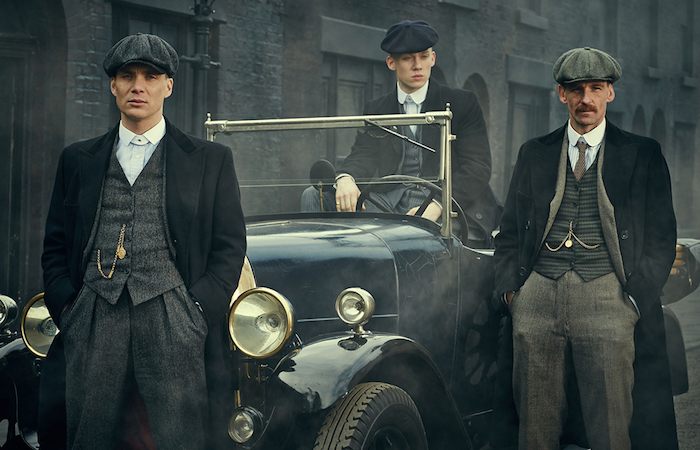
Contemporary formal wear still draws from 1920s innovations, including the continuing popularity of three-piece suits, bow ties, and pocket squares. The era established standards of masculine elegance that transcend temporary trends, focusing on timeless principles of fit, fabric quality, and appropriate formality.
Frequently Asked Questions
What is the most important item for a 1920s men’s party outfit?
The three-piece suit forms the foundation of any authentic 1920s party outfit. Everything else builds from this base. Choose a suit with the correct silhouette featuring broader shoulders, a higher waist, and fuller trousers. The suit color and pattern should match the event’s formality level. Once you have the right suit, accessories like hats, pocket watches, and appropriate shoes complete the transformation.
Can I wear a modern suit to a 1920s themed party?
Modern suits can work with strategic styling adjustments. Look for suits with fuller cuts rather than slim-fit options, and ensure the jacket has at least two buttons positioned relatively high. Add a waistcoat if your suit doesn’t include one, as three-piece suits were the norm. Most importantly, focus on period-appropriate accessories such as a fedora, pocket watch chain, vintage-style tie, and two-tone shoes. These elements signal the era more effectively than perfect suit authenticity.
Were suspenders or belts worn with 1920s trousers?
Suspenders (called braces in Britain) were the standard method for holding up trousers during the 1920s. Belts existed but were considered too casual for formal or semi-formal occasions. Suspenders attached to buttons inside the trouser waistband, not clips, and were worn under the waistcoat so they weren’t visible. For an authentic look, choose button-style suspenders in neutral colors or subtle patterns.
What colors were popular for 1920s men’s suits?
Evening and formal events called for darker colors including navy, charcoal grey, and black. Pinstripes in these dark colors were extremely fashionable. For daytime and less formal occasions, men wore lighter shades of grey, tan, brown, and even cream or white for summer. Tweed suits in earth tones were popular for casual gatherings. The key was matching color formality to event type, with darker meaning more formal.
How should I style my hair for an authentic 1920s look?
The classic 1920s hairstyle featured short sides and back with slightly more length on top, all slicked back using pomade or hair styling cream. Part your hair either on the side or down the middle, creating a clean, defined line. Use enough product to achieve a glossy, controlled appearance without making hair look wet or greasy. The overall effect should appear neat and deliberately styled. Visit a barber familiar with vintage cuts for best results.
Are fedoras required for 1920s parties?
While not absolutely required indoors, fedoras were an essential part of any complete 1920s outfit when arriving or departing. Men wore hats as standard dress code, removing them upon entering the venue. For an authentic experience, arrive wearing a fedora in a color that complements your suit, then remove it inside. If your event encourages keeping hats on, a well-chosen fedora significantly enhances the period atmosphere.
What’s the difference between a 1920s suit and a modern suit?
Several key differences distinguish 1920s suits from modern versions. The 1920s silhouette featured broader shoulders, a fuller chest, and a higher button stance with buttons positioned above the natural waist. Trousers sat much higher, at or above the belly button, with fuller legs and often cuffed hems. Jackets had wider lapels than slim modern cuts, and most ensembles included a matching waistcoat as standard. The overall impression was more structured yet paradoxically more comfortable than today’s slim fits.
Can I wear a tuxedo to a 1920s party?
Tuxedos (dinner jackets) are appropriate for formal 1920s evening events. However, ensure the tuxedo style is period-appropriate with a single-breasted or double-breasted jacket featuring wider lapels than modern versions. Pair it with a white dress shirt, black bow tie, black waistcoat or cummerbund, and black patent leather shoes. For the most formal occasions, white-tie attire with a tailcoat was the ultimate in 1920s evening elegance.
Where can I find authentic 1920s men’s clothing?
Vintage shops and online vintage retailers occasionally stock genuine 1920s pieces, though sizing and condition can be challenging. Reproduction specialists offer made-to-measure or ready-made period-accurate clothing with better sizing options. Costume rental shops provide complete outfits for single events. For key accessories like hats, shoes, and pocket watches, specialty retailers and online marketplaces offer vintage-inspired options that balance authenticity with modern wearability and pricing.
What shoes work best for a 1920s outfit?
Two-tone spectator shoes are the most recognizable 1920s footwear choice, featuring contrasting colors typically white or cream combined with black, brown, or tan. Wingtip brogues with decorative perforations offer another period-appropriate option. For the most formal evening events, black patent leather oxfords were standard. Ensure shoes have slightly rounded toes rather than extremely pointed modern styles. Adding spats over your shoes creates an extra authentic touch, particularly for formal daytime events.
How formal should I dress for a Great Gatsby party?
Great Gatsby themed parties typically call for semi-formal to formal attire. Men should wear three-piece suits in darker colors with appropriate accessories including fedoras, pocket watches, and dress shoes. The atmosphere of Gatsby’s parties in the novel was glamorous and upscale, so err on the side of overdressing rather than underdressing. Think of attending a wealthy person’s mansion party during prohibition, where everyone aimed to look their absolute best.
What’s the difference between 1920s American and British men’s fashion?
While sharing many similarities, American and British 1920s fashion had subtle distinctions. British style tended to be slightly more conservative with less bold patterns and more reserved colors. American fashion embraced wider trouser styles like Oxford bags more quickly, and American men were more likely to wear bold pinstripe suits associated with the gangster aesthetic. British terminology also differed, calling suspenders “braces,” vests “waistcoats,” and using different terms for various garment details.
Embracing 1920s men’s party fashion means more than wearing vintage clothing. It represents adopting an attitude of refined elegance, attention to detail, and sophisticated style. Whether you’re attending a themed event or simply appreciate the timeless appeal of Jazz Age aesthetics, understanding these elements helps you authentically capture the spirit of this remarkable decade. The roaring twenties remind us that true style transcends trends, focusing instead on quality, fit, and the confidence that comes from being impeccably dressed.