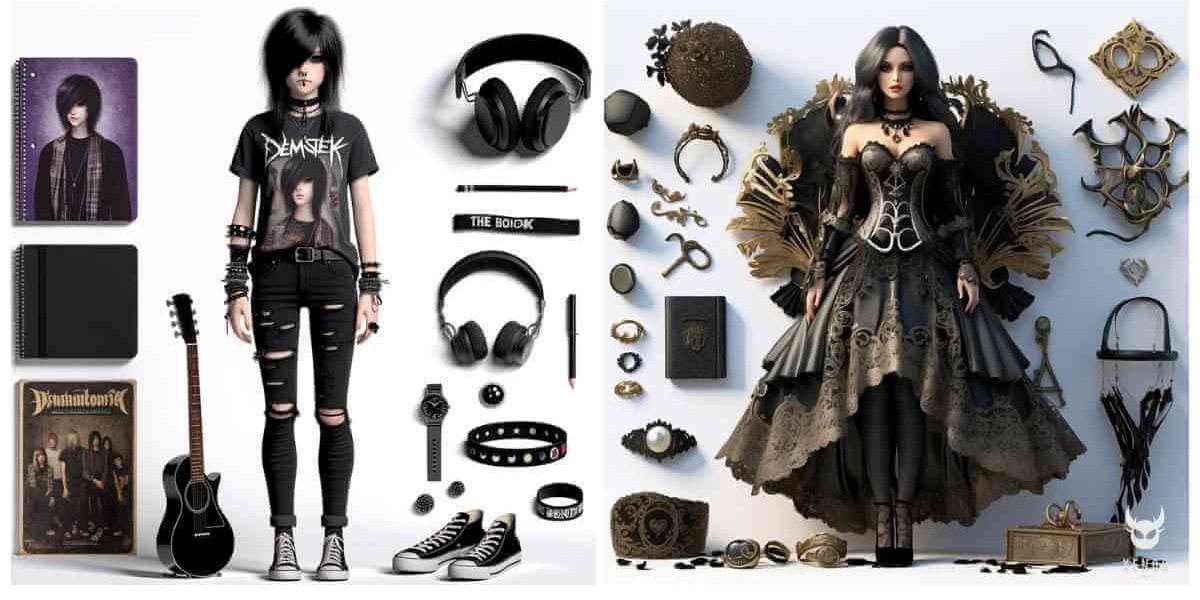

If you’ve ever been curious about the difference between emo and goth fashion, you’re not alone. These two alternative fashion subcultures share some similarities but have distinct origins, aesthetics, and cultural meanings. While both embrace darker clothing and non-mainstream style, understanding emo vs goth fashion can help you appreciate—or adopt—each look authentically.
What is Goth Fashion?
Goth fashion emerged in the late 1970s and early 1980s, born from the post-punk music scene in the United Kingdom. The gothic subculture drew inspiration from Victorian and Edwardian era clothing, horror aesthetics, and romantic literature. Goth fashion emphasizes elegance, drama, and a connection to historical periods.
Key Characteristics of Goth Fashion:
Color Palette: Predominantly black, with occasional deep purples, burgundies, and dark greens. Gothic fashion rarely incorporates bright colors.
Clothing Styles:
- Long flowing skirts and dresses
- Corsets and Victorian-inspired tops
- Velvet and lace fabrics
- Leather jackets and pants
- Fishnet stockings and tights
- Platform boots and combat boots
- Capes and dramatic outerwear
Accessories:
- Silver jewelry with crosses, bats, or occult symbols
- Chokers and collar necklaces
- Wide-brimmed hats
- Ornate rings and bracelets
- Religious or mystical imagery
Makeup and Hair:
- Pale foundation or powder
- Dark, dramatic eye makeup
- Black or deep red lipstick
- Black hair (often dyed) in straight or teased styles
- Sometimes white, grey, or unusual colored hair
What is Emo Fashion?
Emo fashion developed in the mid-1980s but gained mainstream popularity in the early 2000s. The term “emo” originated from “emotional hardcore,” a subgenre of punk rock. Emo fashion reflects the emotional, expressive nature of the music and emphasizes youth rebellion and vulnerability.
Key Characteristics of Emo Fashion:
Color Palette: Black combined with bright accent colors like hot pink, electric blue, neon green, and red. More color variation than goth fashion.

Clothing Styles:
- Skinny jeans (often black or dark denim)
- Band t-shirts (My Chemical Romance, Fall Out Boy, Panic! At The Disco)
- Studded belts
- Striped arm warmers
- Converse sneakers or Vans
- Hoodies with band logos
- Tight-fitting clothing overall
Accessories:
- Studded or pyramid belts
- Wristbands and bracelets
- Bandanas
- Messenger bags with pins and patches
- Enamel pins featuring bands or symbols
- Checkered patterns (Vans-style)
Makeup and Hair:
- Heavy black eyeliner (often winged)
- Side-swept bangs covering one eye
- Straight, flat-ironed hair
- Black hair with colorful streaks (pink, blue, red)
- Scene-style teased and layered hair
Emo vs Goth: The Key Differences
Musical Origins
Goth: Rooted in post-punk, gothic rock, and darkwave music. Bands include Bauhaus, Siouxsie and the Banshees, The Cure, and Sisters of Mercy.
Emo: Emerged from emotional hardcore punk and pop-punk. Key bands include My Chemical Romance, Dashboard Confessional, Taking Back Sunday, and Brand New.
Fashion Philosophy
Goth: Emphasizes elegance, sophistication, and connection to historical periods. The aesthetic is theatrical and often romantic or macabre.
Emo: Focuses on emotional expression, youth angst, and accessibility. The style is more casual and contemporary, reflecting suburban teen culture.
Cultural Attitude
Goth: Associated with an interest in the darker aspects of life, death, literature, and art. Often philosophical and introspective.
Emo: Centers on emotional vulnerability, personal struggles, and authentic self-expression. More openly emotional and confessional.
Color Usage
Goth: Strictly adheres to dark colors, especially black, with minimal bright accents.
Emo: Freely mixes black with vibrant neon and bright colors for contrast.
Fit and Silhouette
Goth: Features flowing, dramatic silhouettes or structured Victorian-inspired pieces.
Emo: Emphasizes tight, form-fitting clothing like skinny jeans and fitted band tees.
Modern Evolutions and Subgenres
Both emo and goth fashion have evolved significantly, spawning numerous subgenres:
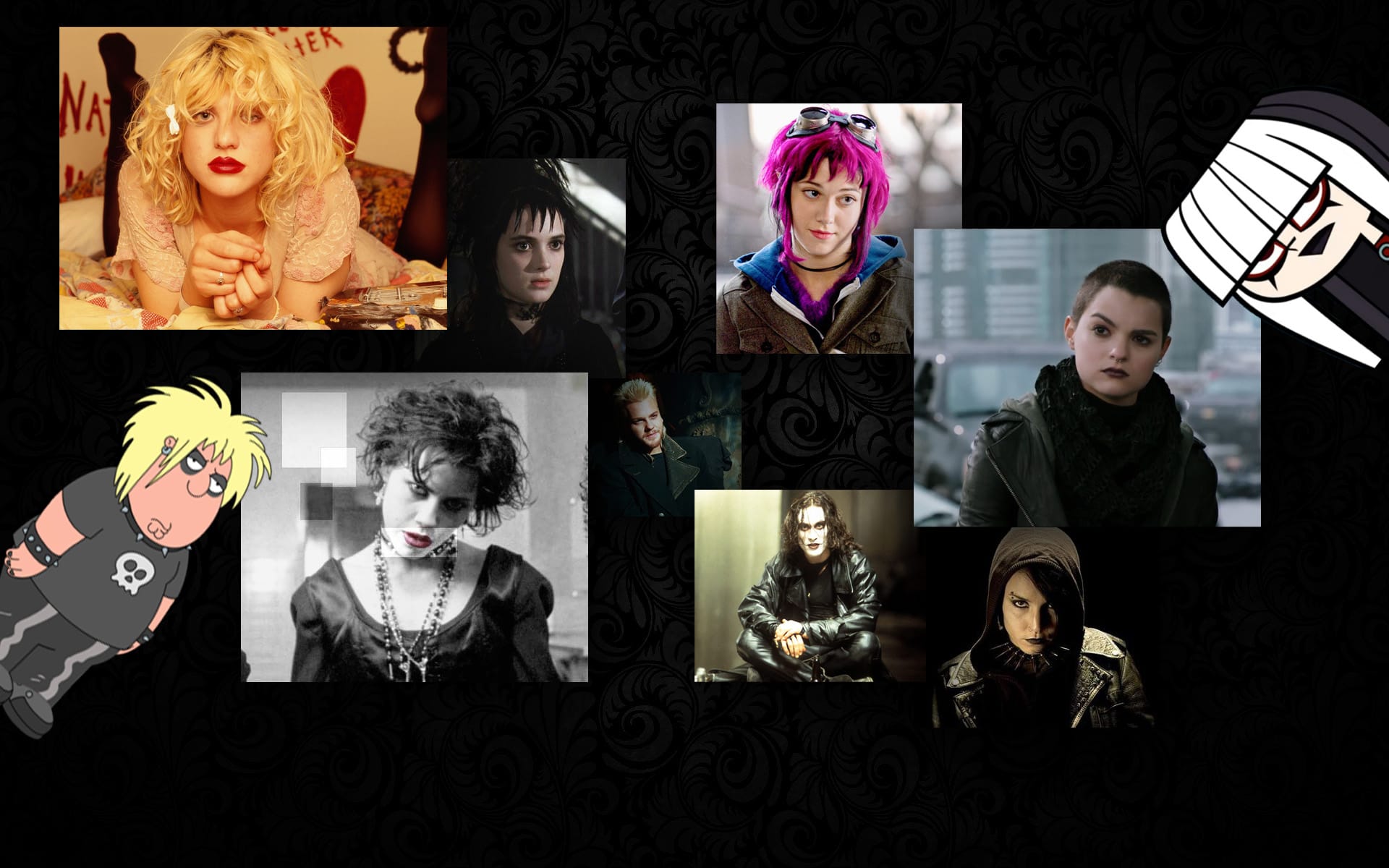
Goth Subgenres:
- Romantic Goth: Emphasizes Victorian and Edwardian elegance
- Cyber Goth: Incorporates neon colors, industrial elements, and futuristic accessories
- Pastel Goth: Combines goth aesthetic with pastel colors
- Corporate Goth: Professional attire in dark colors for workplace settings
- Traditional Goth: Stays true to the original 1980s aesthetic
Emo Subgenres:
- Scene Fashion: More extreme version with brighter colors and teased hair
- Soft Emo: Incorporates softer colors and vintage elements
- E-girl/E-boy: Internet-age evolution with anime influences and TikTok trends
- Pop-Punk Style: More casual with emphasis on band merch and skate culture
The 2024-2025 Emo and Goth Revival
Both emo and goth fashion have experienced significant revivals in recent years. The resurgence of Y2K fashion has brought emo style back into mainstream consciousness, while goth aesthetics continue to influence high fashion runways and alternative communities alike.
Social media platforms, particularly TikTok and Instagram, have introduced these subcultures to new generations who mix vintage elements with contemporary streetwear. The boundaries between emo, goth, and other alternative styles have become more fluid, with many people creating hybrid looks.
How to Get Started with Emo or Goth Fashion
For Goth Fashion:
- Start with a black wardrobe foundation
- Invest in quality boots and accessories
- Experiment with Victorian-inspired pieces
- Learn about goth music and culture
- Find local goth communities or events
For Emo Fashion:
- Begin with skinny jeans and band t-shirts
- Master the eyeliner and hairstyle
- Add studded belts and accessories
- Explore emo and pop-punk music
- Customize your look with DIY elements
Frequently Asked Questions
Can you be both emo and goth?
Yes, absolutely! Many people blend elements from both subcultures to create their own unique style. While purists might distinguish between the two, fashion is ultimately about personal expression. You might identify with aspects of both communities or simply enjoy mixing aesthetics.
Which came first, emo or goth?
Goth came first, emerging in the late 1970s and early 1980s. Emo developed in the mid-1980s from the hardcore punk scene but didn’t gain widespread recognition until the early 2000s. Goth has approximately a 5-10 year head start on emo culture.
Is emo fashion still popular in 2025?
Yes, emo fashion has experienced a significant revival. Gen Z has embraced emo aesthetics through social media, with many young people discovering the style for the first time or nostalgically revisiting it. The style has evolved to incorporate modern trends while maintaining its core elements.
What’s the difference between emo and scene?
Scene is an offshoot of emo that emerged in the mid-2000s. Scene fashion is more extreme and colorful than traditional emo, featuring heavily teased hair, brighter neon colors, and a more extroverted aesthetic. Scene kids were heavily involved in MySpace culture and electronic music.
Do you have to listen to emo or goth music to dress in these styles?
While both fashion movements originated from specific music scenes, you don’t need to be a dedicated fan to appreciate or wear the style. However, understanding the cultural context and music can deepen your appreciation and help you wear the fashion more authentically.
Are goth and emo the same as punk?
No, though they share some common ancestry. Punk fashion is generally more aggressive, political, and DIY-focused. Goth evolved from post-punk, while emo came from emotional hardcore punk. All three are distinct subcultures with their own aesthetics, music, and values.
What are the best stores for emo and goth clothing?
For goth fashion, consider stores like Killstar, Dolls Kill, Romantic Threads, and local alternative boutiques. For emo fashion, Hot Topic, Spencer’s, Zumiez, and online retailers like Angry Young and Poor offer band merchandise and accessories. Thrift stores are also excellent for finding authentic pieces.
Can adults wear emo or goth fashion?
Absolutely! Both goth and emo fashion can be adapted for any age. Many adults incorporate subtle elements into their everyday wardrobes or save full looks for concerts, clubs, or events. The key is wearing what makes you feel comfortable and authentic.
Is goth fashion expensive?
Goth fashion can range from budget-friendly to expensive, depending on your choices. While some specialty brands are pricey, you can build a goth wardrobe affordably through thrift shopping, DIY modifications, and mixing mainstream black clothing with statement accessories.
What’s the difference between gothic and Victorian fashion?
Victorian fashion refers to clothing styles from the Victorian era (1837-1901), characterized by corsets, bustles, high collars, and elaborate details. Gothic fashion draws inspiration from Victorian styles but adapts them for modern wear and incorporates darker, more theatrical elements. Not all goth fashion is Victorian-inspired, but Romantic Goth heavily features these historical influences.
Conclusion
Both emo and goth fashion represent powerful forms of self-expression rooted in distinct musical and cultural movements. While goth emphasizes elegance, drama, and historical aesthetics, emo focuses on emotional vulnerability and contemporary youth culture. Neither is superior to the other—they simply offer different ways to embrace alternative fashion and identity.
Whether you’re drawn to the romantic darkness of goth style or the emotional intensity of emo fashion, the most important thing is to wear what feels authentic to you. Fashion subcultures exist to provide community and creative expression, not rigid rules. Explore both styles, mix elements that resonate with you, and create a look that tells your unique story.