
Introduction
The 1990s represented a golden era for hip hop culture, and female artists played a pivotal role in defining the decade’s most iconic fashion trends. Women in hip hop boldly challenged conventional beauty standards and fashion norms, creating distinctive styles that blended street credibility with feminine power.
From TLC’s colorful, playful aesthetic to Lil’ Kim’s provocative glamour, female hip hop fashion in the 90s was diverse, innovative, and unapologetically confident. This comprehensive guide explores the clothing, accessories, hairstyles, and cultural significance of 90s hip hop fashion female, celebrating the artists and styles that continue influencing contemporary fashion.
The Cultural Context of 90s Hip Hop Fashion
The 1990s marked hip hop’s transition from underground culture to mainstream phenomenon. As the genre gained commercial success and cultural influence, fashion became integral to artistic identity and expression. Female rappers and R&B artists used clothing as a form of empowerment, rebellion, and creativity.
Women in hip hop navigated complex territory, asserting their presence in a male-dominated industry while defining their own aesthetic rules. Some embraced traditionally masculine streetwear, claiming space through tomboy style that emphasized authenticity over conventional femininity. Others celebrated sexuality and femininity on their own terms, challenging respectability politics and reclaiming agency over their image and bodies.
The fashion reflected broader themes in 90s hip hop: authenticity, success, street credibility, and cultural pride. Clothing communicated messages about identity, origins, and aspirations. The styles were accessible yet aspirational, rooted in urban communities while increasingly influencing mainstream fashion.
Iconic Female Hip Hop Artists and Their Signature Styles
TLC: Colorful Rebellion and Tomboy Chic
TLC revolutionized female hip hop fashion with their playful, unconventional approach to style. The trio, consisting of Tionne “T-Boz” Watkins, Lisa “Left Eye” Lopes, and Rozonda “Chilli” Thomas, became known for their eclectic, mix-and-match aesthetic that defied fashion rules.
Left Eye’s signature look included wearing a condom over her left eye as a statement about safe sex, oversized colorful clothing, and baggy pants paired with crop tops or sports bras. The group frequently wore mismatched patterns, clashing colors, and oversized silhouettes that prioritized comfort and personality over conventional attractiveness.
Their style incorporated elements of skate culture, hip hop, and pure creative experimentation. Baggy overalls, backward caps, chunky boots, and athletic wear formed their wardrobe foundation. They weren’t afraid to look silly or unconventional, which made their style feel authentic and accessible to young fans.
Aaliyah: Tomboy Elegance
Aaliyah crafted one of the most influential and enduring style legacies of the 90s. Her signature look combined streetwear elements with sleek sophistication, creating what could be described as tomboy elegance. This aesthetic resonated deeply with young women seeking alternatives to overtly feminine or sexualized styling.
Her trademark outfit formula included baggy pants or cargo pants paired with crop tops or bandeau tops, creating a balanced silhouette that was both modest and subtly sensual. She frequently wore oversized leather jackets, bomber jackets, and sports jerseys. Her midriff-baring tops became iconic, showing just enough skin while maintaining an effortlessly cool demeanor.
Aaliyah’s relationship with Tommy Hilfiger resulted in memorable fashion moments, with the brand featuring prominently in her wardrobe. Timberland boots, Nike sneakers, and other athletic footwear completed her looks. Dark sunglasses and long, straight hair with side-swept bangs became part of her signature aesthetic.
Lil’ Kim: Provocative Glamour
Lil’ Kim took an entirely different approach to hip hop fashion, embracing hyper-femininity, sexuality, and high fashion in ways that were controversial and groundbreaking. Her style challenged the notion that female rappers needed to dress like men to be taken seriously, instead asserting that provocative femininity could coexist with lyrical credibility.
Her outfits frequently featured designer labels, fur coats, bodycon dresses, lingerie-inspired pieces, and daring cutouts. She popularized blonde wigs, colorful wigs, and frequently changed her hair color and style. Her makeup was bold, featuring dramatic eye looks, nude or glossy lips, and perfectly sculpted features.
Perhaps most famously, her 1999 MTV Video Music Awards purple jumpsuit with exposed breast covered by a pastel shell became one of the most iconic and controversial fashion moments in award show history. This outfit exemplified her willingness to push boundaries and challenge conventions around female sexuality and presentation.
Missy Elliott: Futuristic Innovation
Missy Elliott brought futuristic, avant-garde elements to hip hop fashion. Her style was innovative, playful, and completely unique, often incorporating inflated vinyl suits, colorful tracksuits, oversized sunglasses, and unexpected materials and silhouettes.
Her “The Rain (Supa Dupa Fly)” music video featuring the inflated black garbage bag suit designed by June Ambrose became instantly iconic. This look exemplified Missy’s approach: taking everyday materials or unexpected items and transforming them into high-fashion statements.
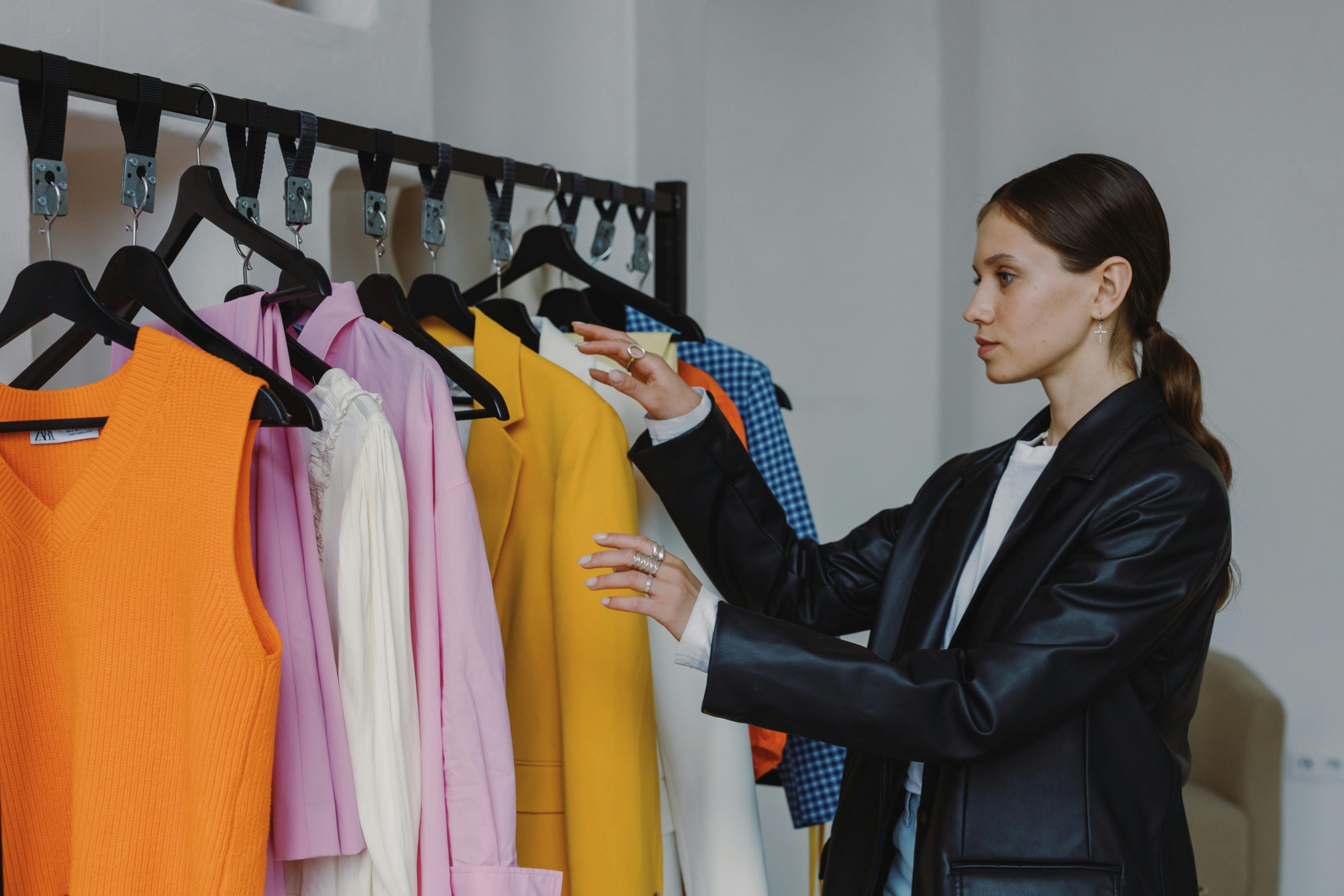
She frequently wore Adidas tracksuits, oversized jerseys, baggy jeans, and Timberland boots, but always with a twist that made the outfit distinctly Missy. Her style prioritized creativity and comfort over conventional beauty standards, making space for different body types in hip hop fashion.
Mary J. Blige: Street Glamour
Mary J. Blige embodied the intersection of street style and glamour, earning the title “Queen of Hip Hop Soul.” Her fashion reflected her Yonkers upbringing and connection to urban culture while incorporating increasingly sophisticated elements as her career evolved.
Early in her career, Mary wore baseball caps, oversized jerseys, baggy jeans, Timberland boots, and door knocker earrings. This authentic street style resonated with fans who saw themselves reflected in her aesthetic. As she matured artistically, she incorporated more glamorous elements like designer sunglasses, fur coats, and form-fitting clothing while maintaining her edge.
Her blonde hair became iconic, and she frequently experimented with different styles, colors, and lengths. Her fashion evolution mirrored her personal growth, showing how hip hop fashion could mature without losing its essential character.
Lauryn Hill: Bohemian Soul
Lauryn Hill brought a more bohemian, Afrocentric aesthetic to hip hop fashion. Her style incorporated elements of reggae culture, African influences, and neo-soul sensibilities. She frequently wore head wraps, natural hairstyles including locs, flowing fabrics, earthy tones, and layered jewelry.
Her fashion choices reflected her artistic and spiritual evolution, often incorporating vintage pieces, thrift store finds, and handmade or artisan items. This approach offered an alternative to both tomboy streetwear and overt glamour, creating space for a more soulful, conscious aesthetic within hip hop.
Salt-N-Pepa: Bold and Confident
Salt-N-Pepa pioneered female hip hop fashion in the late 80s and remained influential throughout the 90s. Their style was bold, colorful, and unashamedly confident. They popularized door knocker earrings, asymmetrical haircuts, bright colors, leather jackets, and form-fitting clothing that celebrated female bodies.
Their famous “Push It” jackets and coordinated outfits demonstrated the power of group styling and visual cohesion. They weren’t afraid of bold patterns, bright colors, or attention-grabbing pieces, setting a precedent for confidence in female hip hop fashion.
Essential Clothing Items in 90s Female Hip Hop Fashion
Baggy Jeans and Pants
Oversized denim was foundational to 90s hip hop style for women. Baggy jeans, often several sizes too large, were paired with belts to prevent them from falling. This masculine silhouette allowed women to claim space in hip hop culture while prioritizing comfort and movement.
The bagginess contrasted with the body-conscious fashion dominating mainstream women’s wear, making a statement about rejecting conventional femininity. Women styled baggy jeans with crop tops, creating balance between oversized bottoms and fitted or revealing tops.
Carpenter jeans with multiple pockets, wide-leg jeans, and low-rise baggy jeans all appeared in 90s hip hop wardrobes. Brands like JNCO, although associated primarily with rave culture, also appeared in hip hop contexts with their extremely wide legs.
Crop Tops and Sports Bras
While bottoms were oversized, tops often went in the opposite direction. Crop tops showing midriff became signature pieces in female hip hop fashion, particularly popularized by Aaliyah and TLC. These ranged from simple ribbed tank tops to logo tees cut short to elaborate designed pieces.
Sports bras worn as tops represented both athletic influence and a casual approach to showing skin. This styling felt authentic to workout culture and basketball courts where hip hop culture thrived, rather than overtly sexual or male-gaze oriented.
Bandeau tops, tube tops, and halter tops also appeared frequently, often in bold colors or patterns. The key was the high-low balance: if bottoms were baggy, tops could be more fitted or revealing, and vice versa.
Oversized Shirts and Jerseys
Sports jerseys, particularly basketball jerseys, were essential pieces in female hip hop wardrobes. Women wore them oversized, often as dresses with belts, or layered over crop tops and paired with baggy jeans. Hockey jerseys also gained popularity, offering bold color blocking and interesting designs.
Oversized button-up shirts, often men’s styles, were worn open over crop tops or tank tops. Flannel shirts, borrowed from grunge and skate culture, appeared frequently in hip hop contexts. Tommy Hilfiger button-ups became particularly iconic, representing the intersection of hip hop and preppy Americana.
Tracksuits and Athletic Wear
Tracksuits in velour, nylon, or other materials became staples of female hip hop fashion. Brands like Adidas, Puma, and Fila created matching sets that offered comfort, style, and brand recognition. These were often worn with matching sneakers and accessories.
Windbreakers, warm-up pants, and other athletic-inspired pieces reflected hip hop’s connection to basketball culture and street sports. The athleisure trend of later decades has direct roots in 90s hip hop’s embrace of athletic wear as everyday fashion.
Overalls and Jumpsuits
Denim overalls and various jumpsuits offered one-piece solutions that were both practical and stylish. Women wore overalls with one or both straps undone, paired with crop tops, sports bras, or fitted tees underneath. This look combined tomboy casualness with feminine touches.
Jumpsuits in various materials, from denim to leather to metallic fabrics, allowed for bold fashion statements. Lil’ Kim’s various jumpsuit moments demonstrated how this silhouette could be both street and glamorous.
Leather and Vinyl
Leather jackets, pants, skirts, and vests added edge to female hip hop outfits. Bomber jackets in leather became particularly iconic, offering a classic silhouette that worked across different hip hop aesthetics.
Vinyl and patent leather pieces, especially in bold colors, appeared in more glamorous hip hop styling. These shiny materials caught light and attention, perfect for music videos, performances, and photo shoots.
Denim Jackets and Vests
Denim jackets, often oversized and sometimes customized with patches, pins, or paint, were versatile layering pieces. Denim vests worn over crop tops or with nothing underneath showcased another way to incorporate this classic material.
The Canadian tuxedo (denim on denim) appeared frequently, with artists pairing denim jackets with denim jeans in matching or contrasting washes. This look required confidence to pull off but became iconic when done right.
Footwear: Sneakers, Boots, and Platforms
Timberland Boots
Timberland boots, particularly the classic wheat-colored 6-inch boot, became synonymous with 90s hip hop fashion for both men and women. These work boots represented toughness, street credibility, and New York hip hop culture specifically.
Women styled Timberlands with baggy jeans tucked in or worn over the boots, with skirts and dresses for contrast, or with shorts during warmer weather. The boots worked across seasons and occasions, making them practical investments that also carried cultural significance.
Sneakers
Athletic sneakers were essential to female hip hop fashion. Nike Air Force 1s, particularly in all-white, became iconic and remain popular today. Air Jordans, though often associated with male sneaker culture, were also worn by women in hip hop.
Reebok Classics, Adidas Superstars, Adidas Gazelles, and Puma Suedes all appeared frequently. The key was keeping sneakers clean and fresh, representing pride in appearance despite humble origins. Many hip hop fans went to great lengths to protect and maintain pristine sneakers.
Platform Shoes
Platform sneakers, boots, and shoes added height while maintaining the chunky, substantial aesthetic of 90s fashion. Buffalo platform sneakers became particularly iconic, with their extremely thick soles creating dramatic proportions.
Platform heels and boots offered glamorous options for performances, events, and music videos. These maintained the substantial, grounded feeling of hip hop footwear while incorporating more traditionally feminine elements.
Combat Boots
Military-inspired combat boots, often Doc Martens or similar styles, brought punk and grunge influences into hip hop fashion. These boots worked well with both feminine dresses for contrast and with baggy jeans for full tomboy aesthetic.
The chunky soles and lace-up styling added visual interest and edginess to outfits. Black combat boots proved particularly versatile, working across various hip hop styling approaches.
Accessories: The Finishing Touches
Door Knocker Earrings
Large, hollow hoop earrings known as door knockers became one of the most iconic accessories in female hip hop fashion. These oversized hoops, often in gold or gold-tone metal, made bold statements and became cultural symbols.
The earrings got their nickname from their resemblance to the large circular door knockers found on brownstone buildings in urban neighborhoods. Wearing them represented connection to urban culture and Black identity. They ranged from simple hollow hoops to elaborate designs with names, symbols, or decorative elements.
Nameplate Necklaces
Personalized nameplate necklaces, typically in gold or gold-tone metal, allowed women to literally wear their identity. These custom pieces spelled out names, nicknames, or meaningful words in various fonts and styles.
The necklaces represented investment in self-presentation and pride in identity. They became status symbols and personal statements, often passed down or given as meaningful gifts. The trend has experienced multiple revivals, testament to its enduring appeal.
Bamboo Earrings
Large hoop earrings made from or resembling bamboo offered a lighter alternative to metal door knockers. These earrings connected to African and Caribbean aesthetics while maintaining the bold, statement-making quality essential to hip hop fashion.
The natural material (or imitation thereof) added organic texture to outfits while the large size ensured visibility and impact. They worked particularly well with natural hairstyles and Afrocentric aesthetics.
Chains and Medallions
Gold chains, from delicate to chunky, adorned female hip hop artists’ necks. While often associated with male rappers, women wore chains as symbols of success and street credibility. Some chains featured medallions with symbols, logos, or meaningful imagery.
Layering multiple chains of different lengths and thicknesses created visual interest and demonstrated affluence. As hip hop became more commercially successful, chains became increasingly elaborate and expensive, representing “making it” from humble origins.
Bandanas
Bandanas served multiple functions in female hip hop fashion. Worn as headbands, tied around the head, folded and tied around the neck, used as tops, or tucked into pockets as accessories, bandanas added color and pattern inexpensively.
Different colors sometimes carried gang affiliations in certain contexts, though many wearers chose colors purely for aesthetic reasons. The versatility and accessibility of bandanas made them democratic fashion items that anyone could incorporate.
Sunglasses
Oversized sunglasses, particularly in dark or mirrored lenses, added mystery and cool factor to hip hop outfits. Rectangular, oval, or wraparound styles in black, tortoiseshell, or colorful frames appeared frequently.
Sunglasses allowed artists to create barrier between themselves and the world, useful for both practical purposes and cultivating an aloof, untouchable image. They became part of signature looks for many artists.
Baseball Caps and Bucket Hats
Baseball caps, often worn backwards or to the side, brought athletic influence into hip hop fashion. Women wore caps from sports teams, designer brands, or with simple logos and designs.
Bucket hats, popularized in part by LL Cool J among male rappers, also appeared in female hip hop fashion. These casual hats worked well with streetwear and added nostalgic, playful elements to outfits.
Belts
With the prevalence of oversized pants, belts became necessary functional items that also served as accessories. Chain belts, designer logo belts, and simple leather belts all appeared. Some women wore belts loosely around the hips rather than at the waist for aesthetic effect.
Belts also cinched oversized shirts or jerseys worn as dresses, creating shape in otherwise shapeless garments. This styling technique demonstrated fashion savvy and creativity in working with oversized pieces.
Hairstyles and Beauty Trends
Box Braids and Braided Styles
Box braids, cornrows, and other protective braided hairstyles connected female hip hop artists to African heritage while offering practical, low-maintenance styling. Janet Jackson’s poetic justice braids, though from film rather than music, influenced hip hop fashion significantly.
Braids could be adorned with beads, shells, cuffs, or left simple. The styles ranged from micro braids to chunky, thick braids. Different parting patterns and designs added individuality and artistic expression.
Hair Wraps and Accessories
Colorful thread wrapped around individual braids or sections of hair added playful detail and personal flair. Hair cuffs in gold or silver metal adorned braids or locs. Beads in various colors created sound and movement.
These accessories connected to African and African diaspora traditions while allowing for contemporary creativity and self-expression. They represented cultural pride and connection to heritage.
Finger Waves and Sleek Styles
Finger waves, a hairstyling technique creating S-shaped waves, brought vintage glamour to hip hop aesthetics. This style required skill and maintenance but created stunning, polished results.
Sleek, straight styles, often achieved through relaxers or pressing, represented another approach to hair. Long, flowing hair with precise parts or bangs, as popularized by Aaliyah, created sophisticated looks that balanced streetwear clothing.
Bold Colors and Wigs
Lil’ Kim pioneered bold hair color experimentation in hip hop, frequently wearing blonde, pink, blue, purple, and other vivid wigs or dyed hair. This playful approach to hair as fashion accessory influenced countless artists and fans.
Wigs allowed for constant transformation without damaging natural hair. They represented fashion as performance and the ability to embody different personas or aesthetics at will.
Natural Hair and Locs
Lauryn Hill and other conscious hip hop artists embraced natural hair textures and locs (dreadlocks), making political and personal statements about Black beauty and authenticity. This represented an alternative to processed, straightened styles.
Natural afros, twist-outs, and other textured styles celebrated Black hair in its natural state. This movement connected to broader conversations about beauty standards, respectability politics, and self-acceptance.
Makeup Trends
Makeup in 90s female hip hop fashion often featured dark lip liner paired with lighter or nude lipstick, creating the iconic “90s lip” look. Brown and burgundy tones dominated lip colors.
Thin, highly arched eyebrows contrasted with fuller brow trends of other eras. Dramatic eye makeup with smoky shadows, winged liner, or colorful shades appeared in performance and video contexts.
Foundation and concealer aimed for perfection, often appearing several shades lighter than natural skin tones due to both fashion trends and limitations in available makeup shades for darker skin. Highlighter, blush, and contouring were generally more subtle than in contemporary makeup trends.
Brand Culture and Logo Mania
Tommy Hilfiger
Tommy Hilfiger became synonymous with 90s hip hop fashion, with the brand’s preppy Americana aesthetic adopted and adapted by hip hop culture. The red, white, and blue logo appeared on jackets, shirts, jeans, and accessories worn by major artists.
This relationship was sometimes controversial, with debates about cultural appropriation, commercialization of Black culture, and the brand’s sometimes ambivalent relationship with its hip hop clientele. Nonetheless, Tommy Hilfiger became one of the era’s most iconic hip hop brands.
FUBU
FUBU (For Us, By Us) represented Black entrepreneurship and self-determination in fashion. Founded by Daymond John and partners, the brand specifically targeted hip hop and urban communities with clothing designed by and for them.
FUBU jerseys, jeans, shirts, and accessories became status symbols representing supporting Black-owned business and authentic hip hop culture. The brand embodied the DIY entrepreneurial spirit celebrated in hip hop.
Karl Kani
Karl Kani, founded by Black designer Carl Williams, created baggy jeans and urban wear specifically for the hip hop market. The brand’s affordable pricing and authentic connection to hip hop culture made it popular among fans and artists alike.
Karl Kani represented an alternative to mainstream brands appropriating hip hop aesthetics, offering products designed with the community’s actual needs and preferences in mind.
Cross Colours
Cross Colours brought bright, bold colors and positive messages to hip hop fashion. The brand’s colorful, baggy clothing featured slogans promoting unity, education, and peace. This represented the conscious, positive hip hop movement of the early 90s.
While the brand’s popularity faded as hip hop evolved toward harder, more materialistic aesthetics, it represented an important moment when hip hop fashion explicitly carried social messages.
Designer Labels
As hip hop achieved commercial success, artists increasingly wore luxury designer brands. Gucci, Versace, Chanel, and Fendi appeared in music videos, performances, and photo shoots. This represented “making it” and achieving the financial success many rappers discussed in their lyrics.
For female artists particularly, designer fashion offered glamorous alternatives to streetwear, allowing them to embody both street credibility and high fashion sophistication depending on context.
The Intersection of Femininity and Masculinity
Female hip hop fashion in the 90s navigated complex territory regarding gender expression. The prevalence of traditionally masculine clothing like baggy jeans, oversized shirts, and Timberland boots represented women claiming space in male-dominated culture and rejecting limiting feminine ideals.
This tomboy aesthetic allowed women to be taken seriously as artists and participants in hip hop culture rather than merely decorative additions. It prioritized comfort, practicality, and authenticity over male gaze-oriented attractiveness.
Simultaneously, artists like Lil’ Kim demonstrated that overt femininity and sexuality could coexist with credibility and talent. Her provocative styling challenged both mainstream respectability politics and hip hop’s sometimes masculine-coded authenticity standards.
The diversity of approaches, from TLC’s playful androgyny to Aaliyah’s tomboy elegance to Lil’ Kim’s glamorous sexuality to Lauryn Hill’s bohemian soul, demonstrated that female hip hop fashion contained multitudes. There was no single correct way to dress as a woman in hip hop, and this diversity itself was empowering.
Regional Variations
East Coast
East Coast hip hop fashion, particularly from New York, emphasized Timberland boots, baggy jeans, North Face jackets, fitted caps, and gold jewelry. The aesthetic was grounded, urban, and practical for cold weather while maintaining style.
The preppy influence of brands like Tommy Hilfiger and Polo Ralph Lauren mixed with street staples created a distinctive New York look. There was emphasis on “fly” (stylish) presentation despite humble circumstances.
West Coast
West Coast hip hop fashion incorporated more casual, warm-weather appropriate pieces. Dickies pants, Chuck Taylor Converse, plaid flannel shirts, and Raiders or Dodgers gear defined much of the aesthetic.
The influence of Chicano culture, particularly in Los Angeles, brought specific styling elements including Ben Davis workwear, Pendleton shirts, and certain color combinations. The overall vibe was more laid-back than East Coast style while maintaining hip hop’s emphasis on authenticity.
Southern Hip Hop
Southern hip hop fashion incorporated more color, flash, and regional variation. Artists from Atlanta, Houston, Miami, and New Orleans each brought distinctive local flavors to hip hop fashion.
Southern women in hip hop often embraced more glamorous, feminine styling compared to East Coast tomboy aesthetics. There was less emphasis on brand loyalty and more on individual flair and creativity.
The Legacy and Modern Revival
The influence of 90s female hip hop fashion extends far beyond its decade. Contemporary artists regularly reference and revive these aesthetics, and mainstream fashion consistently mines the 90s for inspiration.
The tomboy aesthetic pioneered by Aaliyah and TLC appears in contemporary streetwear and high fashion. Designers regularly show oversized silhouettes, crop tops, and baggy pants directly descended from 90s hip hop.
The bold, confident sexuality of Lil’ Kim’s fashion paved the way for artists like Nicki Minaj, Megan Thee Stallion, and Cardi B to embrace provocative styling as part of their artistic expression. The conversation about female sexuality, agency, and fashion that Kim’s choices sparked continues.
Vintage 90s pieces, particularly from brands like Tommy Hilfiger, FUBU, and Karl Kani, command premium prices on secondhand markets. Young people who weren’t alive in the 90s seek authentic pieces from the era, demonstrating the style’s enduring appeal.

Social media platforms, particularly TikTok and Instagram, facilitate 90s hip hop fashion revivals. Users create modern interpretations of classic looks, share vintage finds, and educate others about the era’s fashion history.
Frequently Asked Questions
What defined 90s female hip hop fashion?
90s female hip hop fashion was defined by several key elements: oversized, baggy bottoms including jeans and cargo pants paired with fitted crop tops or sports bras; athletic-inspired clothing including tracksuits, jerseys, and sneakers; bold accessories like door knocker earrings, nameplate necklaces, and gold chains; Timberland boots as essential footwear; brand loyalty to labels like Tommy Hilfiger, FUBU, and Karl Kani; and diverse aesthetics ranging from tomboy streetwear to glamorous, provocative styling. The fashion emphasized authenticity, confidence, and creative self-expression while navigating the tension between masculine street credibility and feminine presentation.
Who were the most influential female hip hop fashion icons of the 90s?
The most influential female hip hop fashion icons of the 90s include Aaliyah, whose tomboy-elegant aesthetic of baggy pants with crop tops became iconic; TLC, particularly Left Eye, who brought playful, colorful, unconventional styling; Lil’ Kim, who pioneered provocative, glamorous hip hop fashion; Missy Elliott, whose futuristic, innovative approach pushed boundaries; Mary J. Blige, who embodied street glamour and authentic urban style; Lauryn Hill, who brought Afrocentric and bohemian aesthetics; and Salt-N-Pepa, who pioneered bold, confident female hip hop fashion in the late 80s and early 90s. Each artist offered distinct approaches, demonstrating diversity within female hip hop fashion.
What brands were most popular in 90s hip hop fashion?
The most popular brands in 90s hip hop fashion included Tommy Hilfiger, which became synonymous with hip hop despite being a preppy brand; FUBU (For Us, By Us), representing Black entrepreneurship; Karl Kani, offering authentic urban wear; Cross Colours, known for bright colors and positive messages; Polo Ralph Lauren, particularly popular on the East Coast; athletic brands like Nike, Adidas, Reebok, and Puma; workwear brands like Timberland, Dickies, and Carhartt adopted for street fashion; and increasingly, luxury designers like Gucci, Versace, and Chanel as hip hop achieved commercial success. Brand loyalty and visible logos were important status symbols in 90s hip hop culture.
How did 90s female hip hop fashion differ from male hip hop fashion?
While sharing many elements like baggy jeans, oversized shirts, Timberland boots, and brand emphasis, female hip hop fashion incorporated distinctive differences. Women often balanced oversized bottoms with fitted or revealing tops like crop tops and sports bras, creating high-low proportions less common in male styling.
Female artists had more diverse aesthetic options, ranging from tomboy to glamorous to bohemian, while male fashion was more uniform. Women wore more jewelry varieties including door knocker earrings and nameplate necklaces. Female hip hop fashion navigated tensions between masculine-coded street credibility and feminine presentation in ways male artists didn’t face. Women also had to contend with different scrutiny regarding sexuality, respectability, and appearance in their fashion choices.
Why were Timberland boots so important to hip hop fashion?
Timberland boots, particularly the classic wheat-colored 6-inch boot, became iconic in hip hop culture for several reasons. Originally designed as work boots, they represented working-class origins and authenticity valued in hip hop. The durable, high-quality construction symbolized investment in quality despite humble circumstances. The boots’ association with New York, particularly Brooklyn, connected them to East Coast hip hop’s epicenter.
They were practical for urban environments and cold weather while maintaining style. The boots’ substantial, grounded appearance aligned with hip hop’s aesthetic values. Both male and female artists adopted Timberlands, making them unisex staples. Their cultural significance transcended mere footwear, becoming symbols of hip hop identity and credibility that remain relevant today.
How can I recreate 90s female hip hop fashion today?
To recreate 90s female hip hop fashion today, start with foundational pieces: baggy jeans (look for vintage or contemporary wide-leg styles), crop tops or sports bras to show midriff, oversized flannel or button-up shirts, athletic jerseys or tracksuits, and Timberland boots or classic sneakers like Nike Air Force 1s. Add accessories including large hoop earrings, gold chains, bandanas, and bucket hats or baseball caps.
Shop vintage and secondhand stores for authentic 90s pieces from brands like Tommy Hilfiger, FUBU, and Karl Kani. Balance oversized and fitted pieces for flattering proportions. Don’t be afraid to mix patterns and colors boldly. Study specific artists whose aesthetic resonates with you and adapt their styling to your personal taste. Remember that confidence and authenticity mattered more than perfect replication in the original era.
What hairstyles were popular in 90s female hip hop?
Popular hairstyles in 90s female hip hop included box braids and cornrows, often adorned with beads, shells, or colorful thread wraps; sleek, straight styles with side-swept bangs as popularized by Aaliyah; finger waves creating vintage glamour; bold hair colors and wigs, particularly blonde, as worn by Lil’ Kim and Mary J.
Blige; natural afros and locs representing conscious hip hop and Afrocentric aesthetics; asymmetrical cuts and shaved sides as worn by Salt-N-Pepa; and high ponytails or buns, often slicked back for clean, polished looks. Hair accessories including cuffs, clips, and wraps added personal flair. The diversity of styles reflected different aesthetic approaches within female hip hop, from street casual to glamorous to Afrocentric.
Was 90s hip hop fashion affordable?
90s hip hop fashion ranged from very affordable to expensive depending on choices. Core pieces like baggy jeans, crop tops, flannel shirts, and basic athletic wear were accessible at mainstream stores. Thrift stores and secondhand shopping offered affordable options for finding oversized pieces. Some authentically hip hop brands like FUBU and Karl Kani positioned themselves as affordable alternatives to designer labels.
However, certain items carried prestige and expense, including authentic Timberland boots (though durable and long-lasting), limited-edition sneakers, designer labels like Tommy Hilfiger, and especially luxury brands like Gucci or Versace. Gold jewelry ranged from affordable costume pieces to expensive real gold. The beauty of 90s hip hop fashion was that creativity, confidence, and styling mattered more than spending, making authentic participation possible at various price points.
How did 90s female hip hop fashion influence modern fashion?
90s female hip hop fashion profoundly influences contemporary style through multiple channels. The athleisure trend of wearing athletic clothing casually directly descends from 90s hip hop’s adoption of sportswear. Contemporary streetwear brands and aesthetics build on foundations laid by 90s hip hop fashion. The crop top and high-waisted or baggy bottom combination remains popular. Platform sneakers and chunky shoes echo 90s proportions.
Designer brands now actively court hip hop artists and culture after initially resisting the association. The celebration of diverse body types and rejection of single beauty standards connects to 90s female hip hop artists’ varied presentations. Vintage 90s pieces and brands command premium prices, and contemporary brands often directly reference 90s aesthetics. Artists like Rihanna, Beyoncé, and contemporary female rappers regularly nod to 90s hip hop fashion in their styling.
What accessories were essential to 90s female hip hop fashion?
Essential accessories in 90s female hip hop fashion included door knocker earrings (large, hollow hoop earrings) as perhaps the most iconic piece; nameplate necklaces personalizing outfits with names or meaningful words; gold chains ranging from delicate to chunky, often layered; bamboo earrings offering lighter alternatives to metal hoops; bandanas worn as headbands, around necks, or incorporated into outfits; oversized sunglasses in dark or colorful lenses; baseball caps or bucket hats, often worn backwards or to the side; chain belts or logo belts; and hair accessories including cuffs, beads, and wraps for braided styles.
These accessories allowed personalization of basic outfits, demonstrated cultural belonging, and showed investment in complete, thoughtful presentation. Many remain popular in contemporary fashion, testament to their enduring appeal.
Did 90s female hip hop artists face criticism for their fashion choices?
Yes, 90s female hip hop artists faced significant criticism for their fashion choices from multiple directions. Those wearing traditionally masculine or tomboy clothing sometimes faced criticism for not being feminine enough or were labeled as unfeminine or unattractive by mainstream standards.