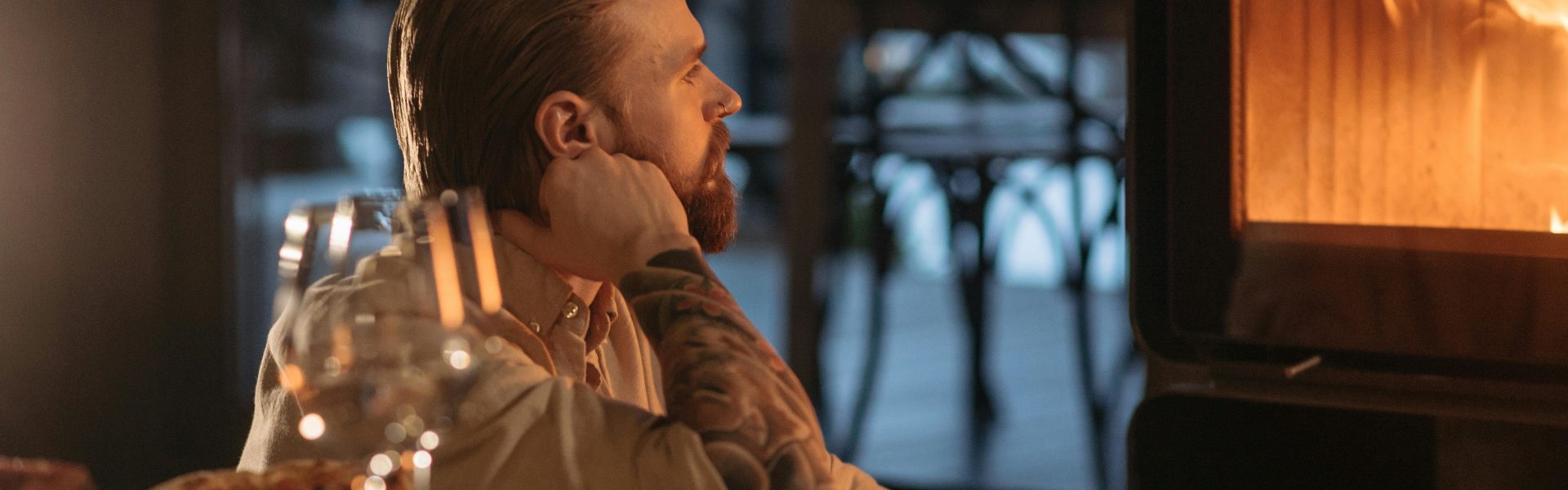

Sleeve tattoos for men have evolved from countercultural statements to mainstream art forms that showcase personal style, tell meaningful stories, and demonstrate commitment to body art. Whether you’re planning your first sleeve or expanding your tattoo collection, understanding the options, process, and considerations helps ensure you create a sleeve you’ll love for decades.
What Are Sleeve Tattoos for Men?
A sleeve tattoo is extensive body art that covers a significant portion or the entirety of your arm, resembling a clothing sleeve. These impressive pieces transform your arm into a canvas for artistic expression, personal symbolism, or visual storytelling.
Types of Sleeve Tattoos
Full Sleeve Tattoos extend from shoulder to wrist, providing maximum space for elaborate designs, complex scenes, or multiple interconnected elements. Full sleeves make the boldest statement and require the greatest time and financial investment, typically demanding 20 to 40 hours of work spread across multiple sessions over several months.
Half Sleeve Tattoos cover either the upper arm from shoulder to elbow or the lower arm from elbow to wrist. Upper half sleeves are easier to conceal for professional settings, while lower half sleeves remain visible and showcase your art more regularly. Half sleeves offer substantial artistic space while requiring less commitment than full sleeves.
Quarter Sleeve Tattoos typically cover the shoulder and upper bicep area, extending roughly to mid-upper arm. These provide a strong visual impact while maintaining maximum flexibility for professional environments and future expansion possibilities.
Forearm Sleeve Tattoos specifically focus on the lower arm from elbow to wrist. This highly visible placement puts your art on display constantly, making it perfect for designs you want to see and share regularly. Forearm sleeves are popular starting points that can later extend upward.
Most Popular Sleeve Tattoo Styles for Men
Japanese Sleeve Tattoos
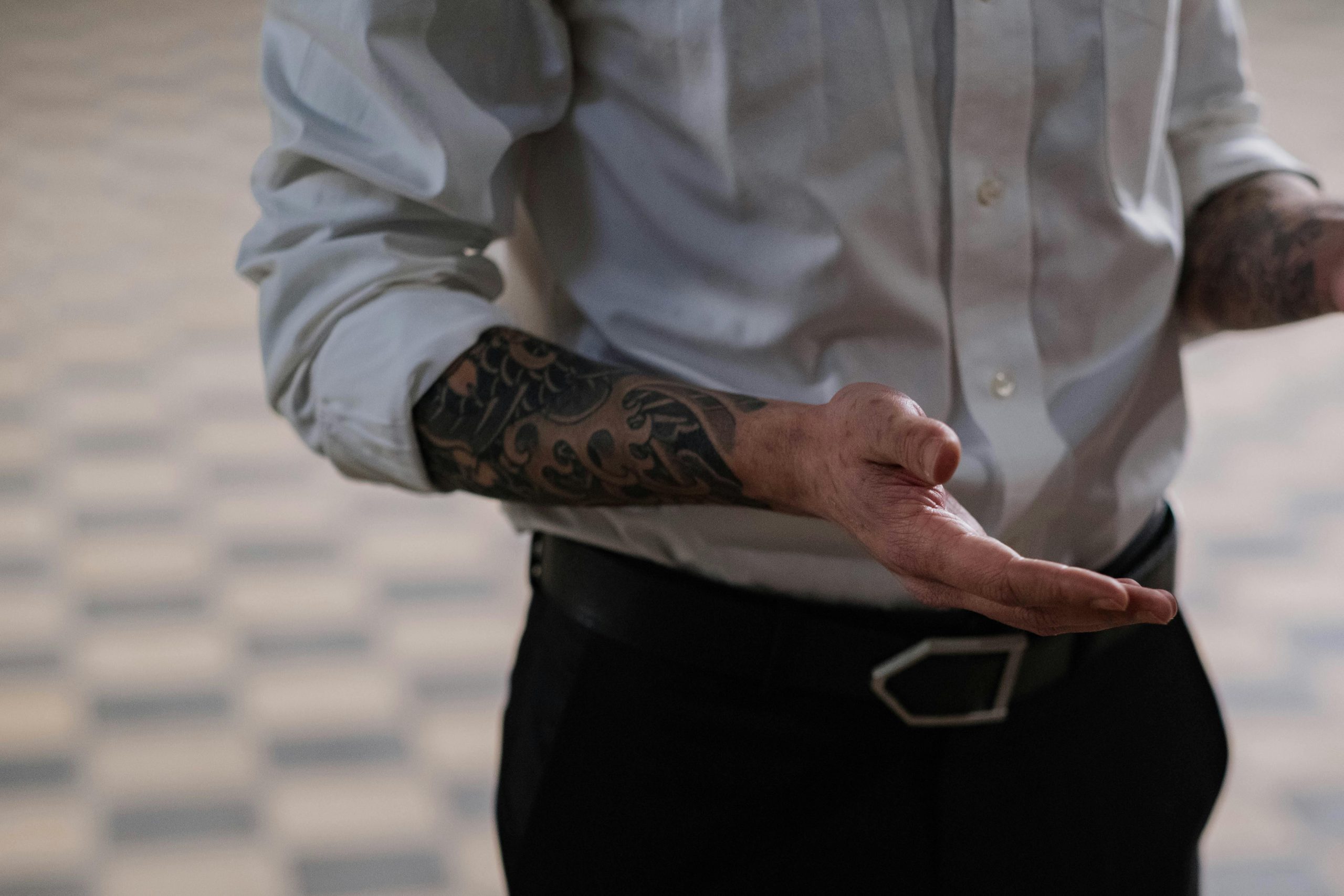
Japanese sleeve tattoos remain among the most sought-after designs for men, drawing from centuries of irezumi tradition. These sleeves feature iconic imagery including dragons symbolizing wisdom and strength, koi fish representing perseverance and transformation, samurai warriors embodying honor and discipline, cherry blossoms signifying life’s fleeting beauty, waves and water demonstrating life’s constant motion, and phoenixes representing rebirth and renewal.
Traditional Japanese sleeves use bold colors, flowing compositions, and symbolic backgrounds that create cohesive full-arm narratives. The style’s emphasis on negative space, wind bars, and water flow creates movement that wraps naturally around arm contours. Modern interpretations might simplify traditional elements or use only black and grey while maintaining the distinctive Japanese aesthetic.
Tribal Sleeve Tattoos
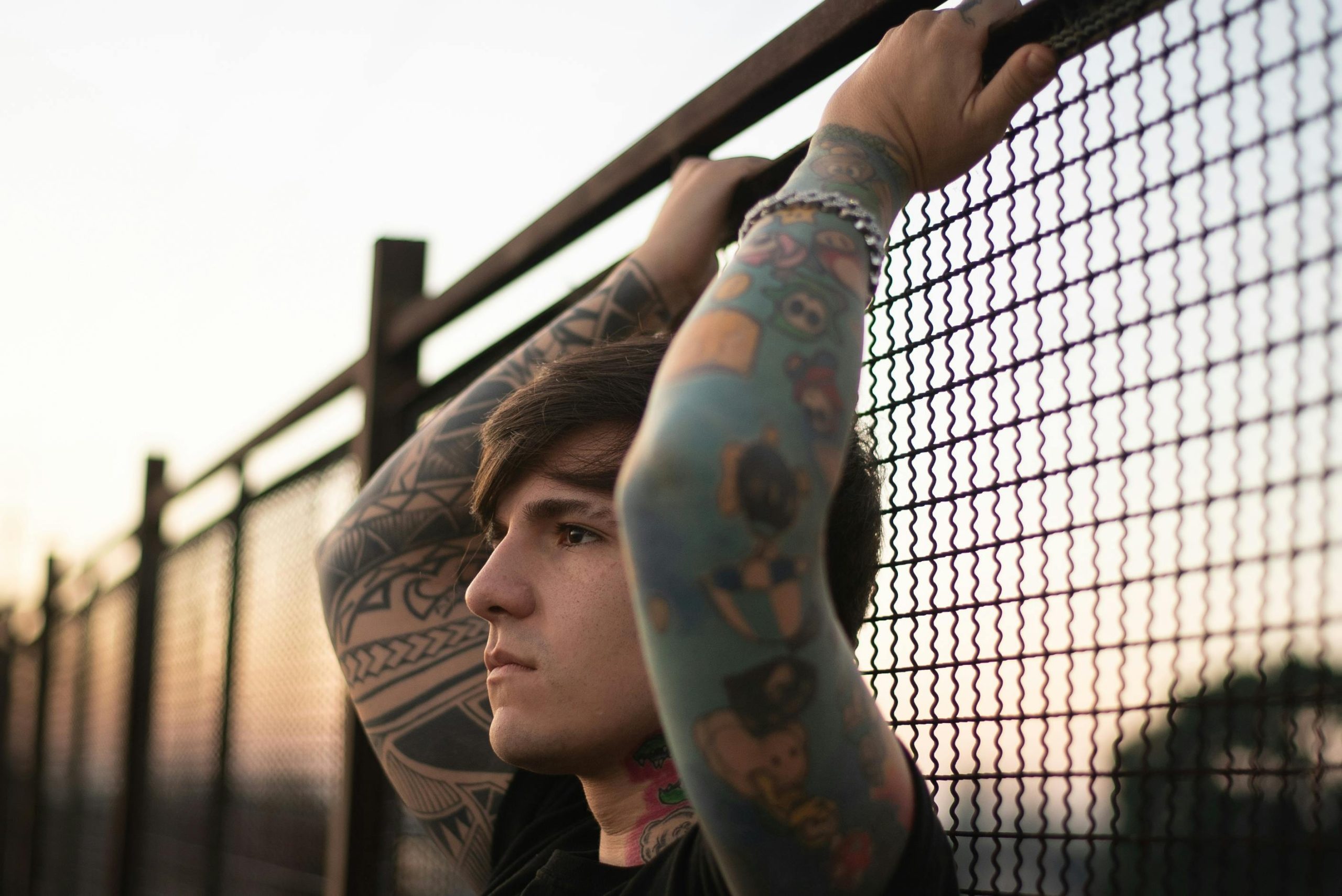
Tribal tattoos offer masculine, bold designs rooted in indigenous cultures worldwide. Polynesian tribal sleeves feature intricate geometric patterns with deep cultural meanings related to family lineage, protection, and warrior status. Each pattern element carries specific symbolism passed down through generations.
Maori tribal designs incorporate spirals, curves, and distinctive patterns unique to New Zealand’s indigenous culture. Celtic tribal work features endless knots representing eternity and interconnection, often combined with crosses, animals, or warrior imagery. Modern tribal fusion blends traditional patterns with contemporary elements, creating unique personal designs.
Tribal sleeves work particularly well as full black pieces with strong contrast, though some incorporate subtle color accents. The bold, graphic nature of tribal work ensures these sleeves maintain visual impact as they age.
Realistic Sleeve Tattoos
Photorealistic sleeves showcase extraordinary artistic skill, creating lifelike images that appear three-dimensional. Popular realistic themes include portrait sleeves featuring family members, historical figures, or cultural icons rendered in stunning detail. Wildlife sleeves capture the power and beauty of animals like lions, wolves, bears, eagles, or tigers with museum-quality accuracy.
Nature scene sleeves depict forests, mountains, oceans, or landscapes with photographic precision. Cinematic sleeves recreate favorite movie scenes, characters, or sci-fi imagery. Black and grey realism emphasizes contrast, depth, and shadow work for dramatic effect, while color realism brings subjects to life with vibrant, accurate hues.
Realistic sleeves require artists with exceptional technical skill and portrait experience. These complex pieces typically need longer sessions and more total hours than simpler designs.
Biomechanical Sleeve Tattoos
Biomechanical tattoos create the illusion that machinery, gears, cables, and mechanical components exist beneath your skin. This futuristic style emerged in the 1980s and remains popular among men seeking edgy, unique designs. Biomechanical sleeves feature exposed gears and pistons appearing to drive arm movement, circuit boards and technological elements for cyberpunk aesthetics, torn skin effects revealing machinery underneath, and integration of organic anatomy with mechanical parts.
The three-dimensional nature of biomechanical work requires artists skilled in perspective, shading, and creating depth. These sleeves often incorporate silver, grey, and metallic tones alongside traditional black work. Some designs add color accents through glowing elements, fluids, or energy effects.
Traditional American Sleeve Tattoos
Old school American traditional tattoos feature bold black outlines, limited color palettes, and iconic imagery that has defined Western tattooing for over a century. Classic elements include eagles representing freedom and patriotism, anchors symbolizing stability and hope, roses denoting love and beauty, skulls representing mortality and fearlessness, pin-up girls showcasing classic Americana, ships and nautical themes, and daggers or weapons.
Traditional American sleeves combine multiple classic images into cohesive compositions filled with bold color and strong visual impact. The style’s technical simplicity and bold execution means these tattoos age exceptionally well, maintaining clarity and impact for decades. Modern traditional or neo-traditional styles expand on classic techniques with more intricate detail, broader color palettes, and contemporary subject matter while maintaining the bold, readable aesthetic.
Geometric Sleeve Tattoos
Geometric tattoos use shapes, patterns, and mathematical precision to create mesmerizing modern designs. Popular geometric approaches include mandala sleeves featuring intricate circular patterns with spiritual significance, sacred geometry incorporating symbols like the flower of life or Metatron’s cube, dotwork creating images and patterns through thousands of individual dots, impossible shapes and optical illusions, and abstract patterns combining lines, shapes, and negative space.
Geometric sleeves appeal to men seeking contemporary, minimalist aesthetics with precise execution. These designs often incorporate symmetry, repetition, and mathematical relationships. Some geometric sleeves blend with realistic elements, creating unique fusion styles where animals, portraits, or objects emerge from or incorporate geometric patterns.
Blackwork Sleeve Tattoos
Blackwork sleeves use solid black ink to create bold, high-contrast designs. This dramatic style includes ornamental blackwork with intricate patterns and decorative elements, large-scale solid black sections creating negative space designs, dark art featuring macabre or gothic imagery in heavy black, and illustrative blackwork combining solid fills with detailed line work.
Blackwork requires significant time and pain tolerance as large areas receive solid ink coverage. The result creates powerful visual impact that remains striking as tattoos age. Some blackwork sleeves cover old tattoos effectively while creating impressive new designs.
Nature and Wildlife Sleeves
Nature-themed sleeves celebrate the natural world through detailed representations of landscapes, animals, and botanical elements. Popular nature sleeve concepts include forest sleeves with trees, woodland animals, and natural scenes, ocean sleeves featuring waves, marine life, and underwater worlds, mountain landscapes showcasing peaks, valleys, and wilderness, predator sleeves highlighting wolves, bears, lions, or eagles, and floral sleeves incorporating roses, lotuses, peonies, or native flowers.
Nature sleeves offer endless creative possibilities and deep symbolic meaning. Wolves represent loyalty and family, bears symbolize strength and introspection, eagles embody freedom and vision, and lions demonstrate courage and leadership. Combining animals with their natural habitats creates cohesive, flowing sleeves that wrap naturally around arm contours.
Best Sleeve Tattoo Ideas for Men by Theme
Religious and Spiritual Sleeves
Religious sleeve tattoos express faith and spirituality through powerful imagery. Christian sleeves might feature crosses, crucifixion scenes, praying hands, angels, saints, or biblical verses integrated into cohesive designs. Catholic imagery often incorporates rosary beads, Virgin Mary, sacred hearts, or religious iconography.
Buddhist and Hindu sleeves showcase Buddha figures, lotus flowers, mandalas, Om symbols, or deities like Ganesh or Shiva. Religious sleeves carry deep personal meaning and serve as constant reminders of faith and spiritual commitment. These designs often blend realistic portraiture with decorative elements and symbolic backgrounds.
Skull and Dark Art Sleeves
Skull tattoos represent mortality, transformation, and living fearlessly. Dark art sleeves embrace macabre aesthetics through skull collections, grim reapers, ravens, gothic architecture, dark forests, horror elements, or memento mori themes. Sugar skulls combine death imagery with vibrant decorative elements from Mexican Day of the Dead traditions.
Dark art sleeves appeal to men who appreciate deeper philosophical themes about mortality, change, and life’s impermanence. These designs often incorporate black and grey work with selective color accents for dramatic effect.
Clock and Time-Themed Sleeves
Clock tattoos symbolize the passage of time, life’s precious moments, and mortality awareness. Time-themed sleeves feature pocket watches, hourglasses, clock mechanisms, Roman numerals, dates marking significant life events, and quotes about time’s value. These elements often combine with roses symbolizing beauty and love, doves representing peace and spirit, or portraits of loved ones.
Clock sleeves remind wearers to value each moment and honor important memories. The mechanical complexity of clock internals provides rich visual detail for realistic artwork.
Space and Galaxy Sleeves
Cosmic sleeves explore the universe’s vastness through planets, stars, nebulas, astronauts, spaceships, and celestial phenomena. Space sleeves use vibrant colors representing galaxies and cosmic energy alongside deep blacks creating infinite space. These designs appeal to men fascinated by astronomy, science fiction, and humanity’s place in the cosmos.
Galaxy sleeves offer opportunities for creative color work rarely seen in other tattoo styles. The flowing, organic nature of nebulas and cosmic clouds wraps naturally around arms, creating dynamic compositions.
Music-Themed Sleeves
Musicians and music lovers express passion through instrument sleeves featuring guitars, drums, pianos, or other instruments, sound wave sleeves displaying favorite song waveforms or audio visualizations, musical notation incorporating sheet music, notes, or treble clefs, and portrait sleeves honoring musical legends or cultural icons.
Music sleeves celebrate art’s emotional impact and personal soundtrack. These designs often incorporate lyrics, album artwork, or symbolic elements representing musical genres or specific songs’ meanings.
Warrior and Mythology Sleeves
Warrior sleeves draw from historical and mythological traditions worldwide. Viking sleeves feature Norse warriors, runes, ravens, wolves, Thor’s hammer, or Norse mythology scenes. Spartan and Greek warrior sleeves showcase ancient soldiers, helmets, shields, and classical mythology. Samurai sleeves honor Japanese warrior culture with armor, swords, and bushido symbolism.
Mythology sleeves explore gods, heroes, and legendary creatures from various cultures including Greek, Norse, Egyptian, or Celtic traditions. Warrior themes represent strength, honor, courage, and overcoming life’s battles.
Sleeve Tattoos with Meaningful Quotes
Incorporating text into sleeve designs adds personal significance and completes visual storytelling. Popular approaches include script wrapping around arm elements, banners containing meaningful phrases, Latin phrases or ancient language text, and motivational quotes inspiring daily life. Text works best when integrated thoughtfully rather than dominating the design, using fonts that complement the overall aesthetic.
Planning Your Perfect Sleeve Tattoo
Finding the Right Tattoo Artist
Artist selection is your most critical decision. Research extensively by reviewing portfolios focusing on your desired style, checking social media for recent work and consistency, reading client reviews and testimonials, and verifying shop cleanliness and licensing. Not all great tattoo artists excel at all styles—find someone specializing in your chosen aesthetic.
Schedule consultations with multiple artists to discuss your vision, assess their enthusiasm and creative input, evaluate communication style and professionalism, and review pricing and scheduling availability. Trust your instincts about working relationship comfort, as you’ll spend many hours together throughout the process.
Design Development and Customization
Custom sleeve designs reflect your unique story rather than copying existing work. Collaborate with your artist by sharing reference images for inspiration without expecting exact replication, discussing themes, symbols, and meanings important to you, and allowing creative freedom to adapt ideas into cohesive sleeve compositions.
Consider how elements connect throughout your sleeve. Successful sleeves flow naturally, guiding the eye and telling stories. Discuss background fill strategies, negative space usage, and design transitions from shoulder to wrist. Your artist’s experience creating anatomically appropriate designs that follow arm contours is invaluable.
Placement Strategy and Professional Considerations
Consider lifestyle and career impacts when planning placement. Full sleeves are completely visible in short sleeves and may affect certain industries or positions. Half sleeves offer versatility, particularly upper half sleeves easily concealed by clothing. Quarter sleeves provide maximum professional flexibility while making statements.
Research your industry’s tattoo acceptance before committing. Many successful professionals across all fields wear visible tattoos, but some conservative sectors remain hesitant. Starting with more easily concealed work allows testing workplace culture before expanding to highly visible areas.
Color vs Black and Grey
Deciding between color and black and grey affects your sleeve’s appearance and maintenance. Color sleeves create vibrant, eye-catching designs, require more frequent touch-ups as colors fade faster, cost more due to additional ink and time, and provide broader creative possibilities. Black and grey sleeves age more gracefully with better long-term appearance, typically cost less than equivalent color work, and offer dramatic contrast and depth through shading techniques.
Some sleeves successfully incorporate both approaches, using black and grey as foundations with selective color accents for specific elements. Consider your skin tone, lifestyle, and long-term maintenance commitment when deciding.
The Sleeve Tattoo Process
Time Investment and Sessions
Full sleeves require substantial time commitment. Expect 20 to 40 hours total work for most full sleeves, though highly detailed pieces may need significantly more. Most artists work in sessions lasting 3 to 6 hours, scheduled 2 to 4 weeks apart allowing proper healing between appointments. Completing full sleeves typically takes 4 to 12 months depending on design complexity, session length and frequency, and healing speed.
Half sleeves generally require 12 to 20 hours completed over 3 to 6 sessions spanning 3 to 6 months. Quarter sleeves need 6 to 12 hours across 2 to 4 sessions. Plan for this extended timeline and maintain patience throughout the process.
Pain and Discomfort Management
Pain varies significantly by placement and individual tolerance. Less painful areas include the outer bicep and shoulder, upper forearm, and outer arm areas with more muscle and fat. More painful areas include the inner bicep and elbow ditch, wrist and hand areas, areas close to bone with less tissue, and armpit proximity.
Pain typically intensifies during longer sessions as adrenaline diminishes. Manage discomfort by eating substantial meals before appointments, staying well-hydrated, taking breaks when needed without shame, using breathing techniques to manage pain, and getting adequate sleep before sessions. Most men find pain manageable and worth the incredible artwork.
Proper Aftercare and Healing
Each session requires 2 to 4 weeks healing before your next appointment. Proper aftercare ensures optimal healing and color retention. Follow your artist’s specific instructions, but general guidelines include washing gently with antibacterial soap 2 to 3 times daily, applying thin layers of recommended ointment or lotion, avoiding sun exposure during healing, not picking scabs or peeling skin, avoiding swimming, soaking, or saunas, and wearing loose clothing that won’t irritate the tattoo.
Expect peeling, itching, and temporary dullness as part of normal healing. Contact your artist immediately if you notice signs of infection like excessive swelling, unusual discharge, or fever.
Cost Considerations
Pricing Factors
Sleeve tattoo costs vary widely based on numerous factors including artist experience and reputation with established artists commanding higher rates, geographic location with major cities typically more expensive, design complexity and detail level, color versus black and grey work, total hours required, and shop minimum fees and deposit requirements.
Quality artists typically charge $150 to $300 per hour, though renowned artists may charge $400 or more. Full sleeve tattoos generally cost $3,000 to $10,000 or more for highly detailed work from sought-after artists. Half sleeves typically range from $1,500 to $5,000. Quarter sleeves usually cost $800 to $2,500.
Budgeting and Payment
Most artists require deposits of $100 to $500 to book sessions with remaining balances due after each appointment. Some offer payment plans for large projects spanning multiple months. Budget not just for tattooing but also for quality aftercare products, potential touch-ups, time off work if needed, and clothing to protect fresh work.
Remember that cheap tattoos aren’t good, and good tattoos aren’t cheap. Investing in skilled artists ensures artwork you’ll proudly wear for life. Attempting to save money on permanent body art often leads to regret and expensive cover-up or removal procedures.
Long-Term Sleeve Maintenance
Protecting Your Investment
Maintain your sleeve’s appearance through diligent care. Apply broad-spectrum sunscreen of SPF 30 or higher whenever your sleeve is exposed, as UV rays are the primary cause of tattoo fading. Keep skin well-moisturized with quality lotions to prevent premature aging and maintain vibrancy. Stay hydrated and maintain healthy skin through proper nutrition.
Avoid extended sun exposure, tanning beds, and harsh chemicals that accelerate fading. Consider protective clothing during prolonged outdoor activities.
Touch-Ups and Aging
Even with excellent care, tattoos naturally fade over time. Quality sleeves typically need minor touch-ups every 5 to 10 years to refresh colors and sharpen lines. Many artists offer free or discounted touch-ups for their original work. Black and grey tattoos generally age more gracefully than color work, though modern ink technology has dramatically improved color longevity.
Your skin ages and changes over decades. Weight fluctuations, sun damage, and natural aging affect tattoo appearance. Starting with quality work from skilled artists and maintaining proper care maximizes how well your sleeve ages.
Common Concerns About Sleeve Tattoos
Professional Impact and Career
Tattoo acceptance has increased dramatically, but some industries remain conservative. Research your field’s attitudes by observing senior professionals and leadership, reviewing company dress codes and policies, considering client-facing versus internal roles, and recognizing that competence typically outweighs appearance concerns.
Many successful professionals across all industries wear visible sleeve tattoos. Starting with more easily concealed work allows gauging workplace culture before committing to highly visible pieces. Some men successfully navigate conservative careers by keeping sleeves covered at work while displaying them personally.
Commitment and Potential Regret
Sleeves represent significant commitments requiring careful consideration. Minimize regret by choosing timeless designs over trendy imagery, working with reputable artists creating quality artwork, ensuring designs hold personal meaning, taking adequate time planning rather than rushing, and being certain about placement and visibility.
Research shows tattoo regret is relatively uncommon, especially for custom work from skilled artists with personal significance. The vast majority of people love their sleeve tattoos throughout their lives.
Physical Changes and Body Modifications
Moderate muscle gain from fitness routines typically won’t significantly distort well-designed sleeves. Dramatic bodybuilding transformations may cause some stretching, particularly in bicep and forearm areas, but most people won’t experience noticeable distortion. Weight fluctuations have minimal impact on arm tattoos compared to torso pieces.
If planning significant body transformations, discuss this with your artist who can adjust design and placement accounting for anticipated changes. Generally, maintaining relatively stable weight and fitness levels preserves sleeve appearance.
Sleeve Tattoo Trends for 2025
Contemporary sleeve trends reflect evolving aesthetics and techniques. Minimalist geometric sleeves using clean lines and negative space appeal to modern sensibilities. Watercolor-inspired elements add artistic flair to traditional styles. Fine line work creates delicate, detailed designs previously impossible.
Surrealism and abstract elements push creative boundaries beyond traditional imagery. Mixing multiple styles within single sleeves creates unique personal expressions. Cover-up sleeves transforming old work into new masterpieces remain popular as techniques improve.
Blackout sleeves with solid black coverage and intricate negative space designs make bold statements. Hyper-realistic portraiture reaches new technical heights. Cultural appreciation sleeves thoughtfully honoring heritage and traditions continue growing in popularity.
Frequently Asked Questions
How much do sleeve tattoos for men typically cost?
Full sleeve tattoos generally cost between $3,000 and $10,000, though prices vary significantly based on artist experience, location, and design complexity. Half sleeves typically range from $1,500 to $5,000, while quarter sleeves cost $800 to $2,500. Highly detailed work from renowned artists may exceed these ranges considerably. Artists typically charge hourly rates of $150 to $300 or more. Remember that quality work justifies higher investment—your sleeve is permanent artwork you’ll wear for life, making it worth investing in the best artist you can afford.
How long does it take to complete a sleeve tattoo?
Full sleeves typically require 20 to 40 hours of tattooing spread across multiple sessions scheduled 2 to 4 weeks apart for healing. Most artists work in 3 to 6 hour sessions. Completing full sleeves usually takes 4 to 12 months depending on design complexity, scheduling availability, and healing speed. Half sleeves generally need 12 to 20 hours over 3 to 6 sessions spanning 3 to 6 months. Quarter sleeves require 6 to 12 hours across 2 to 4 sessions. Plan for this extended timeline and maintain patience throughout the process for best results.
What is the most painful part of getting a sleeve tattoo?
Pain varies by individual tolerance, but the inner bicep and elbow ditch are typically most painful due to thin skin and nerve proximity. The wrist and areas near the armpit also rank high on pain scales. The outer bicep, shoulder, and upper forearm generally cause less discomfort due to more muscle and fat cushioning. Pain typically intensifies during longer sessions as adrenaline wears off. Most men find the pain manageable and well worth the impressive artwork. Taking breaks, staying hydrated, and maintaining steady breathing help manage discomfort.
Should I get a full sleeve or half sleeve tattoo?
This depends on personal preferences, lifestyle, budget, and career considerations. Full sleeves make bold statements and provide maximum artistic space but are always visible in short sleeves, require more time and financial investment, and may impact certain professional opportunities. Half sleeves offer substantial artwork while being easier to conceal when needed, require less commitment and investment, and can always expand later. Many men start with half sleeves and expand once comfortable with visibility and workplace reactions. Consider your job requirements, comfort with visible tattoos, and long-term goals when deciding.
What sleeve tattoo style ages best?
Black and grey tattoos generally age better than color work, maintaining clarity and contrast as they soften over time. Traditional American and tribal styles age exceptionally well due to bold lines and high contrast. Simple geometric designs with strong lines maintain appearance better than intricate fine line work. Realistic black and grey portraiture holds up well with proper care. Colors fade faster than black ink, particularly reds and lighter colors, requiring more frequent touch-ups. Regardless of style, quality work from skilled artists, proper aftercare, and consistent sun protection dramatically impact how well sleeves age.
Can I cover up an existing tattoo with a sleeve?
Yes, many people incorporate cover-ups into sleeve designs. Skilled cover-up artists can design sleeves that completely conceal unwanted tattoos while creating cohesive, beautiful artwork. Covering darker or more saturated tattoos requires specific strategies like incorporating old work into darker backgrounds, using bold elements strategically placed over old tattoos, or working with black and grey rather than color. Not all tattoos can be covered—very dark, heavily saturated pieces may require laser lightening before cover-up. Consult experienced cover-up artists to explore your options and develop effective strategies.
How do I choose a design for my sleeve tattoo?
Start by identifying themes, styles, and imagery resonating with you personally. Research different tattoo styles to find aesthetic preferences. Collect reference images inspiring you without expecting exact replication. Consider meaningful symbols, important life events, cultural heritage, or values you want expressed. Consult with your artist who can develop custom designs telling your unique story and flowing naturally with arm anatomy. Avoid copying popular designs from social media—custom work ensures your sleeve is uniquely yours. Choose timeless imagery over trendy designs and ensure your sleeve holds personal meaning that remains relevant throughout life.
Will working out affect my sleeve tattoo?
Moderate muscle gain from regular fitness typically won’t significantly distort well-designed sleeves. Tattoos are on skin which naturally expands and contracts. Dramatic bodybuilding transformations may cause some stretching, particularly in bicep areas, but most men won’t experience noticeable distortion. Getting tattooed at your normal fitness level rather than during significant bulk or cut phases helps ensure consistent appearance. If planning major body transformations, discuss this with your artist who can adjust placement and design accounting for anticipated muscle growth. Generally, maintaining relatively stable physique preserves sleeve appearance optimally.
How do I find the best sleeve tattoo artist?
Research artists specializing in your desired style by reviewing portfolios on websites and Instagram, checking consistency across multiple pieces, reading customer reviews about professionalism and experience, and verifying proper licensing and shop cleanliness. Schedule consultations with several artists to discuss your vision, assess communication style and enthusiasm, evaluate their creative input, and compare pricing and availability. Don’t choose based solely on price or convenience—investing in skilled artists ensures quality artwork you’ll love for life. Trust your instincts about working relationships, as you’ll spend many hours together throughout the process.
Can I swim or work out after getting my sleeve tattoo?
Avoid swimming in pools, oceans, lakes, hot tubs, or saunas for 2 to 4 weeks after each session while your tattoo heals. Chlorine, salt water, bacteria, and prolonged soaking damage healing tattoos and increase infection risk. Light exercise is generally acceptable, but avoid activities causing excessive sweating, direct impact on tattooed areas, or gym equipment contact with fresh work. Once fully healed after 2 to 4 weeks, you can resume all normal activities. Always protect your healed sleeve with sunscreen during outdoor activities to prevent premature fading and maintain vibrant appearance.
Do sleeve tattoos hurt more than smaller tattoos?
Sleeve tattoos don’t necessarily hurt more per square inch, but the extended time commitment means enduring discomfort for longer periods. A 5-hour sleeve session involves more cumulative pain than a 1-hour small tattoo, even if pain intensity per moment is similar. Pain tolerance builds somewhat during the process, and many find subsequent sessions easier as they know what to expect. Breaking sleeves into multiple shorter sessions rather than marathon sessions helps manage discomfort. Most men find the pain challenging but manageable, and the incredible final result far outweighs temporary discomfort.
Will my sleeve tattoo look good as I age?
Quality sleeve tattoos from skilled artists look excellent for decades with proper care. While some fading and softening of lines naturally occurs with aging skin, well-executed tattoos with bold designs maintain impact. Black and grey work ages more gracefully than intricate color work. Regular moisturizing, diligent sun protection, and occasional touch-ups keep sleeves looking fresh. Many men proudly wear decades-old sleeve tattoos that still look impressive. Your sleeve will age along with you, potentially taking on character and history that adds to its appeal. Starting with quality work ensures your sleeve remains a point of pride throughout your life.
Conclusion
Sleeve tattoos for men represent powerful commitments to personal expression, artistic appreciation, and visual storytelling. Whether you choose full, half, or quarter sleeves, success depends on careful planning, selecting the right artist, and maintaining realistic expectations throughout the process.
Take adequate time researching styles, collecting inspiration, and developing designs truly reflecting who you are. Invest in skilled artists whose portfolios demonstrate consistent quality in your preferred style. Commit to the time, financial investment, and aftercare required for optimal results. Consider professional impacts and long-term implications before committing.
A well-executed sleeve tattoo becomes a permanent part of your identity—wearable art showcasing incredible craftsmanship while telling your unique story. With thoughtful planning and the right artist partnership, your sleeve can be a source of pride, confidence, and personal expression for the rest of your life.
Ready to begin your sleeve tattoo journey? Start by researching artists specializing in your preferred style, collecting design inspiration reflecting your story, scheduling consultations to discuss your vision, and preparing mentally and financially for the commitment ahead. Your perfect sleeve awaits—take the first step toward creating your masterpiece.