The Complete Guide to Antifungal Shampoo for Dogs: Treating Yeast and Fungal Infections

When your beloved dog starts scratching relentlessly, develops a distinctive musty odor, or shows patches of irritated skin, a fungal infection might be the underlying cause. Antifungal shampoo for dogs offers an effective, targeted solution to combat these uncomfortable conditions and restore your pet’s skin health. Understanding when to use these specialized shampoos, which ingredients work best, and how to apply them properly ensures your furry friend gets relief quickly while preventing recurrent infections.
Understanding Fungal Infections in Dogs
Fungal skin infections rank among the most common dermatological issues veterinarians encounter in canine patients. These infections occur when naturally occurring fungi on your dog’s skin multiply beyond normal levels, overwhelming the body’s natural defenses and causing uncomfortable symptoms.
Yeast Infections dominate fungal problems in dogs, particularly those caused by Malassezia pachydermatis. This yeast naturally lives on canine skin in small amounts, but certain conditions trigger overgrowth. The resulting dog yeast infection creates intense itching, redness, greasy skin, and that characteristic musty or corn chip smell many owners recognize. Areas with skin folds, ears, paws, and armpits are especially vulnerable since yeast thrives in warm, moist environments.
Ringworm, despite its name, isn’t a worm but rather a fungal infection caused by dermatophytes. This contagious condition creates circular patches of hair loss with scaly, crusty edges. Ringworm spreads easily between animals and even to humans, making prompt treatment essential. While less common than yeast infections, ringworm requires specific antifungal approaches for complete resolution.
Fungal Dermatitis encompasses various fungal skin conditions causing inflammation, scaling, and discomfort. These infections often develop secondary to other issues like allergies, hormonal imbalances, or immune system problems that compromise the skin’s natural defenses.
Certain factors increase fungal infection risk significantly. Dogs with skin folds like Bulldogs, Shar-Peis, and Pugs face higher vulnerability due to trapped moisture. Breeds with floppy ears including Cocker Spaniels, Basset Hounds, and Beagles frequently develop ear yeast infections. Dogs with allergies, whether food-related or environmental, experience compromised skin barriers that allow fungal overgrowth. Humid climates, excessive bathing with wrong products, and underlying health conditions also contribute to infection development.
Key Ingredients in Effective Antifungal Dog Shampoos
The active ingredients in medicated antifungal shampoos determine their effectiveness against different fungal organisms. Understanding these components helps you select the most appropriate product for your dog’s specific condition.
Ketoconazole Shampoo for Dogs contains one of the most powerful antifungal agents available in over-the-counter and prescription formulations. This azole antifungal works by disrupting fungal cell membrane formation, effectively killing yeast and other fungi at the cellular level. Ketoconazole proves particularly effective against Malassezia yeast infections that cause most canine fungal skin problems. Concentrations typically range from 1-2% in veterinary shampoos, with prescription versions offering higher strengths for severe infections.
Chlorhexidine serves dual purposes as both an antifungal and antibacterial agent, making it invaluable for treating mixed infections. Many dogs with fungal problems also develop secondary bacterial infections from scratching damaged skin. Chlorhexidine antifungal dog shampoo addresses both issues simultaneously. This ingredient disrupts cell membranes in both bacteria and fungi, providing broad-spectrum antimicrobial action. Veterinary dermatologists frequently recommend ketoconazole chlorhexidine dog shampoo combinations for comprehensive treatment of complex skin infections.
Miconazole Shampoo for Dogs offers gentler yet effective antifungal action suitable for dogs with sensitive skin. This azole antifungal works similarly to ketoconazole but with potentially fewer side effects. Miconazole is often combined with chlorhexidine in commercial formulations, creating synergistic effects that enhance overall effectiveness. This combination works excellently for maintenance therapy after initial treatment with stronger medications.
Selenium Sulfide helps control fungal growth while addressing seborrhea, a common companion condition to fungal infections. This ingredient reduces scaling, controls oil production, and has antifungal properties making it useful for dogs with both yeast problems and greasy, flaky skin. However, selenium sulfide can be drying with prolonged use, so monitor your dog’s skin condition and adjust usage accordingly.
Tea Tree Oil and Natural Alternatives appear in some natural antifungal dog shampoos. While tea tree oil possesses antifungal properties, it requires extreme caution as concentrated forms are toxic to dogs. Only use products specifically formulated for canine use with appropriate dilution. Other natural ingredients like coconut oil derivatives, neem oil, and colloidal oatmeal provide mild antifungal support while soothing irritated skin, though they typically work more slowly than pharmaceutical ingredients.
Recognizing When Your Dog Needs Antifungal Shampoo
Early detection of fungal infections leads to faster treatment and prevents complications. Watch for these telltale signs indicating your dog may need antifungal shampoo intervention.
Persistent Scratching and Licking represents the most common symptom. Dogs with yeast infections experience intense itching that doesn’t respond to regular bathing or basic allergy treatments. They may scratch constantly, particularly around ears, paws, underbelly, and skin folds. Excessive paw licking creating brown staining between toes often indicates yeast overgrowth on the feet.
Distinctive Odor accompanies most yeast infections. The smell is often described as musty, cheesy, or like corn chips or stale beer. This odor persists even shortly after bathing with regular shampoo, distinguishing fungal infections from simple hygiene issues. The smell intensifies in skin folds and between paw pads where yeast concentrates.
Visible Skin Changes provide clear diagnostic clues. Look for redness and inflammation, especially in skin folds, ears, and between toes. The skin may appear greasy or oily with a waxy texture. Flaky, crusty patches or scaling indicate fungal activity. Hyperpigmentation creates darkened skin in chronic infection areas. Hair loss may occur in circular patterns with ringworm or in patches where dogs have scratched excessively. Thick, discolored nail beds suggest fungal involvement in the paws.
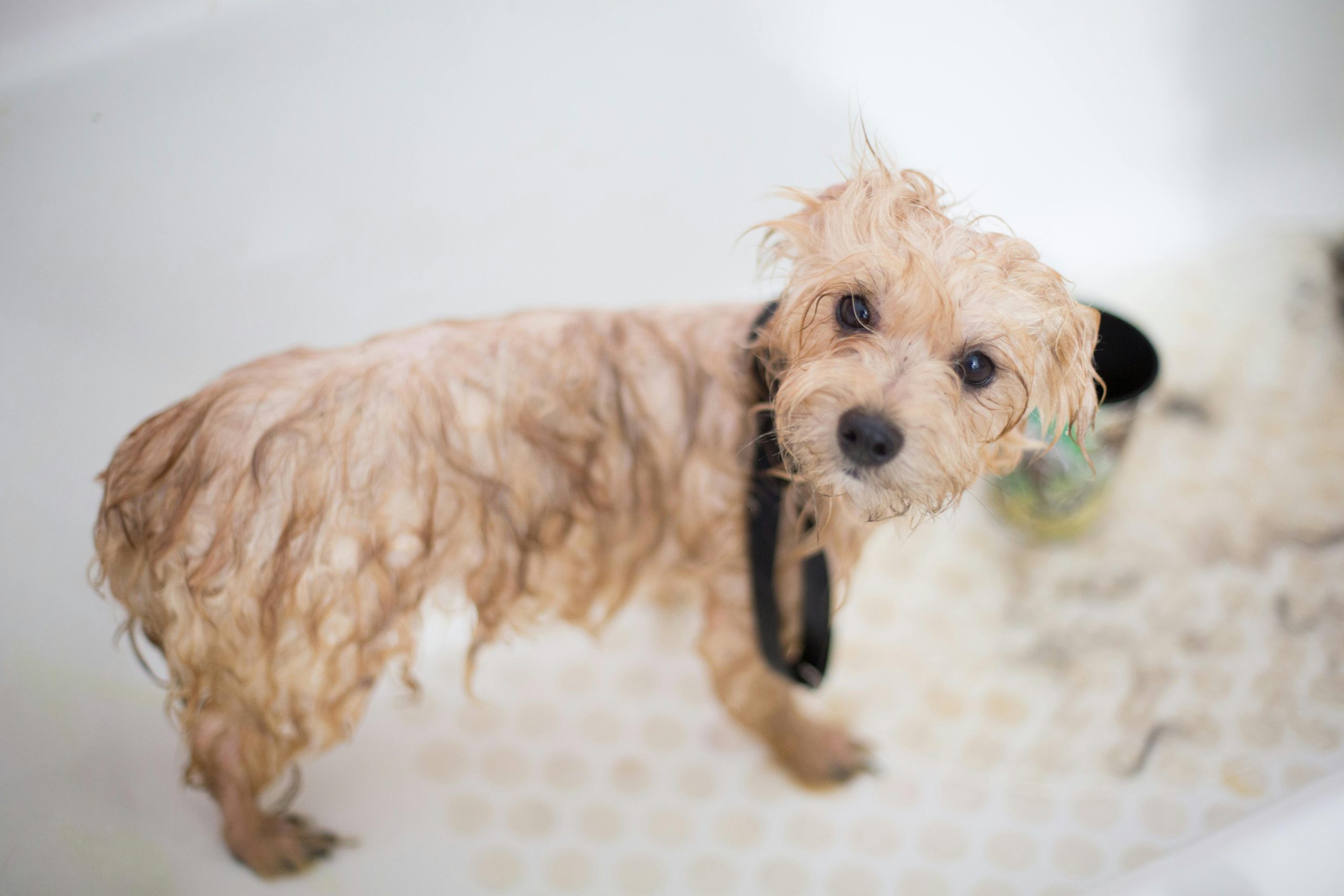
Ear Problems frequently accompany fungal infections. Dogs shake their heads constantly, scratch at ears, or develop brown or black discharge. The ears may smell yeasty and appear red or swollen inside. Ear yeast infections often occur alongside skin yeast problems, requiring comprehensive treatment.
Behavioral Changes emerge as infections worsen. Dogs become irritable from constant discomfort. They may avoid being touched in affected areas or display unusual restlessness preventing proper rest. Some dogs develop hot spots from intense scratching and licking of infected areas.
How to Properly Use Antifungal Dog Shampoo
Correct application technique dramatically impacts treatment success. Many owners don’t achieve desired results because they rush the process or skip critical steps.
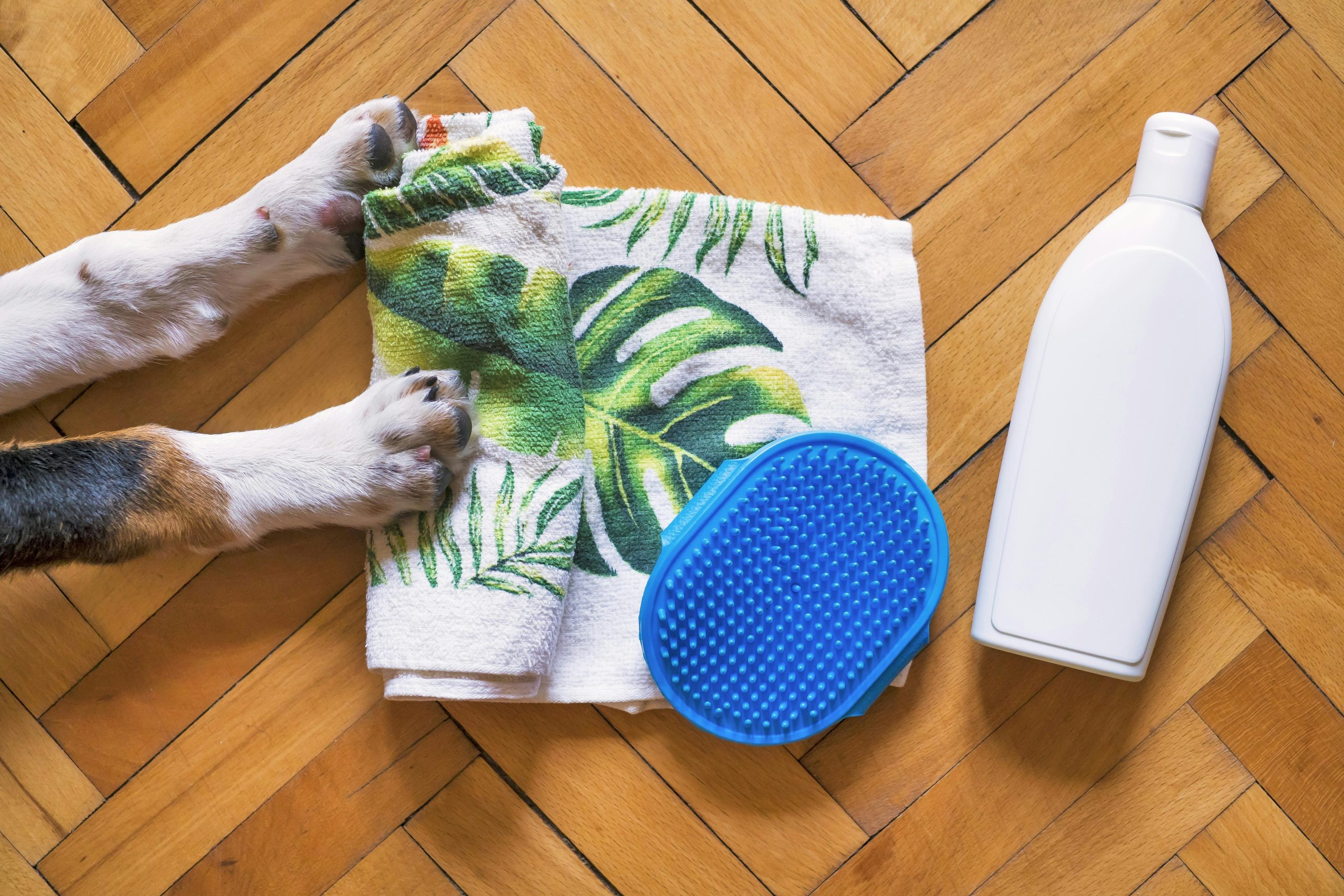
Pre-Bath Preparation sets the stage for effective treatment. Brush your dog thoroughly to remove loose hair and debris that could prevent shampoo from reaching the skin. Trim hair around infected areas if excessively long, as dense coats prevent adequate product penetration. Gather all supplies before starting—shampoo, timer, treats for cooperation, and towels for drying.
Proper Water Temperature matters more than many realize. Use lukewarm water rather than hot, as hot water irritates inflamed skin and can worsen itching. Thoroughly wet your dog’s entire coat down to the skin, ensuring complete saturation. This step is crucial—shampoo works on skin, not just surface hair, so the coat must be wet through.
Application Technique requires thoroughness and attention to affected areas. Apply generous amounts of antifungal shampoo, working it into a rich lather. Pay special attention to problem areas like skin folds, paws, ears, underbelly, and armpits where yeast accumulates. Massage the lather gently into the skin using your fingertips, not just rubbing over the surface. Ensure the shampoo reaches all affected areas including between toes and inside skin fold crevices.
Critical Contact Time represents the most commonly missed step in antifungal shampooing. The active ingredients need time to penetrate the skin and kill fungal organisms—simply washing and immediately rinsing provides minimal benefit. Leave the shampoo on for the full duration recommended on the product label, typically 10-15 minutes. Set a timer to avoid guessing. During this contact time, keep your dog calm and prevent them from shaking or licking the shampoo. Some owners use this time to gently massage problem areas or offer treats for compliance.
Thorough Rinsing prevents residue buildup that could irritate skin. Rinse completely with lukewarm water until the water runs absolutely clear. Shampoo residue can cause additional irritation or attract dirt, undermining treatment efforts. Pay extra attention to skin folds and dense coat areas where product tends to linger.
Proper Drying completes the process. Pat your dog dry with clean towels rather than rubbing vigorously, which could irritate sensitive skin. For dogs with thick coats or deep skin folds, use a hair dryer on cool or low heat settings to ensure complete drying. Moisture trapped in folds or dense fur promotes fungal regrowth, so thorough drying is essential. Some veterinarians recommend finishing with a cool air dryer setting to help soothe itchy skin.
Treatment Frequency and Duration
Consistent, properly timed treatment determines success in eliminating fungal infections and preventing recurrence.
Initial Treatment Phase typically involves frequent bathing to quickly reduce fungal populations. Most veterinarians recommend bathing with antifungal shampoo 2-3 times per week for the first 2-4 weeks. This aggressive initial approach rapidly decreases fungal numbers, providing relief and preventing spread. Space baths evenly—for example, Monday-Thursday-Sunday rather than three consecutive days—allowing some time between treatments for skin recovery.
Maintenance Phase begins once symptoms improve significantly. Reduce bathing frequency to once weekly for an additional 2-4 weeks. This maintenance period ensures complete elimination of fungal organisms and prevents immediate recurrence. Even after visible symptoms disappear, fungal spores may remain dormant in the skin, so continuing treatment prevents relapse.
Long-Term Prevention may be necessary for dogs prone to recurrent infections. For these cases, bathing with antifungal shampoo once every 2-4 weeks helps maintain fungal populations at normal levels. This ongoing prevention is particularly important for dogs with underlying conditions like allergies or breed-related susceptibility to yeast problems.
Total Treatment Duration usually spans 4-8 weeks for complete resolution of fungal infections. Stopping too early leads to recurrence, as fungi can rebound quickly when treatment ceases prematurely. Continue the full treatment course even after symptoms disappear. Your veterinarian may recommend follow-up skin tests to confirm the infection has cleared before discontinuing medicated shampoos.
Adjusting Based on Response requires monitoring your dog’s condition. If improvement doesn’t occur within 2-3 weeks, the diagnosis may be incorrect, a resistant fungal strain may be present, or an underlying condition may be sabotaging treatment. Consult your veterinarian rather than continuing ineffective treatment. Conversely, if severe irritation develops, the shampoo may be too harsh or your dog may have sensitivity to an ingredient—switch to a gentler formulation or reduce frequency.
Choosing the Best Antifungal Shampoo for Your Dog
Selecting the most appropriate product depends on your dog’s specific condition, skin sensitivity, and any underlying issues complicating treatment.
For Yeast Infections look for shampoos containing ketoconazole, chlorhexidine, or miconazole as primary active ingredients. Products combining ketoconazole with chlorhexidine offer the most comprehensive coverage, addressing both yeast and potential bacterial infections. Dog shampoo for yeast infection should specify effectiveness against Malassezia species on the label.
For Ringworm choose shampoos specifically labeled for ringworm treatment. Miconazole and ketoconazole both work effectively against dermatophytes causing ringworm. Some products contain lime sulfur, which is highly effective for ringworm but has a strong odor and can temporarily stain light-colored coats yellow. Despite these drawbacks, lime sulfur’s effectiveness makes it valuable for stubborn ringworm cases.
For Sensitive Skin select gentle formulations combining effective antifungals with soothing ingredients. Look for products containing aloe vera, colloidal oatmeal, or vitamin E alongside the active antifungal. Miconazole-based shampoos generally cause less irritation than ketoconazole for sensitive dogs. Avoid products with artificial fragrances, dyes, or harsh sulfates that could exacerbate irritation.
For Dogs with Allergies choose hypoallergenic antifungal shampoo formulations free from common allergens. Many allergic dogs develop secondary yeast infections, requiring both allergy management and antifungal treatment. Products labeled hypoallergenic or specifically for allergy-prone dogs typically exclude ingredients that commonly trigger reactions.
Prescription vs. Over-the-Counter decisions depend on infection severity. Mild to moderate yeast infections often respond well to over-the-counter antifungal shampoos available at pet stores. These typically contain 1-2% active ingredients in effective concentrations. Severe infections, ringworm, or resistant cases require prescription-strength shampoos from your veterinarian. Prescription formulations offer higher concentrations of active ingredients and may combine multiple antifungals for enhanced effectiveness.
Reading Labels Carefully ensures you understand what you’re buying. Check the active ingredient concentration—higher isn’t always better, as excessively strong formulations may irritate skin. Look for additional beneficial ingredients like moisturizers for dry skin or deodorizers for smell control. Verify the product is labeled specifically for dogs, not cats or other animals, as ingredient concentrations and formulations differ between species. Check expiration dates, as expired antifungal ingredients lose effectiveness.
Complementary Treatments for Better Results
Antifungal shampoo works most effectively as part of a comprehensive treatment approach addressing all factors contributing to fungal infections.
Topical Treatments Between Baths maintain antifungal pressure on problem areas. Veterinary-approved antifungal wipes or sprays containing chlorhexidine or miconazole can be applied daily to paws, skin folds, and other concentrated infection areas. These products bridge the gap between shampoo treatments, preventing fungal rebound. For ear yeast infections, use veterinary ear cleaning solutions specifically formulated for fungal problems rather than general ear cleaners.
Addressing Underlying Allergies proves crucial for dogs whose fungal infections stem from allergic skin disease. Environmental or food allergies compromise skin barriers, creating opportunities for fungal overgrowth. Work with your veterinarian to identify and manage allergies through elimination diets, allergy testing, or immunotherapy. Controlling underlying allergies often eliminates recurrent fungal infections more effectively than endless antifungal treatment cycles.
Dietary Interventions support overall skin health and immune function. Some veterinarians recommend probiotic supplements to support healthy bacterial populations that compete with fungi. Omega-3 fatty acid supplements from fish oil reduce skin inflammation and support barrier function. Limited ingredient or novel protein diets help dogs with food allergies that contribute to skin problems. While no diet directly kills fungi, improved nutrition supports your dog’s natural defenses.
Environmental Management prevents reinfection and reduces fungal exposure. Wash your dog’s bedding, toys, collars, and any fabric items in hot water weekly during active infections. Disinfect food and water bowls daily. Clean and disinfect grooming tools between uses—fungi can survive on brushes and combs. In humid climates, consider using dehumidifiers to reduce environmental moisture that promotes fungal growth. Regular vacuuming removes fungal spores from carpets and furniture.
Oral Antifungal Medications may be necessary for severe, widespread, or resistant infections. Your veterinarian might prescribe oral ketoconazole, fluconazole, or itraconazole for systemic treatment working from inside the body. These medications combined with topical antifungal shampoo provide the most comprehensive approach for stubborn infections. Oral antifungals require monitoring for potential side effects and drug interactions, so veterinary supervision is essential.
Special Considerations for Different Dog Types
Certain dogs require modified approaches to antifungal shampooing based on breed characteristics, age, or specific vulnerabilities.
Dogs with Skin Folds including Bulldogs, Pugs, Shar-Peis, and Mastiffs need extra attention to fold areas during treatment. These moist environments harbor concentrated yeast populations that regular bathing might miss. Gently separate each fold and work shampoo thoroughly into the crevices. After bathing, dry folds completely using towels or cool air dryers—trapped moisture between folds promotes immediate fungal regrowth. Between baths, wipe folds daily with antifungal wipes specifically designed for pets.
Dogs with Floppy Ears like Cocker Spaniels, Basset Hounds, and Bloodhounds frequently develop ear yeast infections alongside skin infections. While shampooing, be careful to keep shampoo out of the ear canal itself—it should only contact external ear surfaces. Treat internal ear infections with veterinary ear medications specifically formulated for that purpose. After bathing, lift and dry under ear flaps thoroughly. Some veterinarians recommend routine ear cleaning solutions for maintenance in prone breeds.
White or Light-Colored Dogs require consideration when using certain antifungal ingredients. Selenium sulfide and coal tar products can temporarily yellow white coats. If coat appearance matters, choose ketoconazole or chlorhexidine-based shampoos that don’t stain. For show dogs or those where coat color is important, discuss staining potential with your veterinarian before selecting products.
Puppies need age-appropriate formulations as their skin is more sensitive than adults’. Check product labels for minimum age recommendations—many medicated shampoos specify use only for dogs over 12 weeks old. For very young puppies requiring antifungal treatment, consult your veterinarian for safe options. Use gentler products and possibly dilute them as directed by your vet. Monitor puppies closely during bath time to prevent shampoo ingestion.
Senior Dogs may have compromised immune systems making them more susceptible to fungal infections while simultaneously being more sensitive to medicated products. Use lukewarm rather than cool water for arthritic comfort. Provide non-slip mats in tubs or showers to prevent falls. Consider gentler formulations and shorter contact times if skin appears fragile or easily irritated. Senior dogs may also need help standing during the full contact time—provide support or allow them to lie down in the tub if necessary.
Dogs with Other Health Conditions require veterinary guidance before starting antifungal treatments. Dogs on immunosuppressive medications, those with liver disease, or animals with multiple health issues may need modified treatment approaches. Some antifungal ingredients can interact with medications or stress compromised organ systems. Always inform your veterinarian of all medications and supplements your dog receives before beginning antifungal shampoo therapy.
When to Consult Your Veterinarian
While many fungal infections respond to over-the-counter antifungal shampoos, certain situations require professional evaluation and treatment.
Before Starting Treatment consider veterinary consultation if you’re uncertain about the diagnosis. Many skin conditions mimic fungal infections, including bacterial infections, parasites, allergies, and autoimmune disorders. Treating the wrong condition wastes time and money while allowing the actual problem to worsen. Skin scrapings, fungal cultures, or examination under special lights help veterinarians confirm fungal presence and identify specific organisms.
If Symptoms Worsen or Persist after 2-3 weeks of consistent antifungal shampooing, professional help is needed. This lack of improvement may indicate a resistant fungal strain, incorrect diagnosis, or underlying condition sabotaging treatment. Your veterinarian can perform diagnostic tests to determine why treatment isn’t working and adjust the approach accordingly.
For Severe or Widespread Infections covering large body areas or creating open sores, veterinary care is essential. These cases often require systemic oral antifungal medications combined with topical treatments. Widespread infections may indicate serious underlying immune problems requiring investigation and management.
If Your Dog Shows Systemic Illness like lethargy, loss of appetite, fever, or behavioral changes alongside skin symptoms, the infection may have spread beyond the skin. While uncommon, some fungal infections can become systemic, especially in immunocompromised dogs. These situations require immediate veterinary attention and aggressive treatment.
For Recurrent Infections that repeatedly return after apparently successful treatment, veterinary investigation of underlying causes is crucial. Chronic or recurrent fungal problems usually stem from allergies, hormonal imbalances, immune deficiencies, or anatomical issues requiring specific management. Addressing root causes prevents endless treatment cycles.
If You’re Treating Puppies or Pregnant Dogs always seek veterinary guidance first. These populations require special consideration for medication safety. Your veterinarian can recommend treatments that effectively control infection while minimizing risk to developing puppies or fetuses.
Preventing Future Fungal Infections
Prevention strategies significantly reduce the likelihood of recurrent fungal problems in susceptible dogs.
Maintain Proper Hygiene without over-bathing. While cleanliness helps, excessively frequent bathing with incorrect products strips natural oils and disrupts healthy skin flora, paradoxically increasing infection risk. For most dogs, bathing every 2-4 weeks with appropriate shampoo maintains cleanliness without causing problems. Between baths, wipe paws after outdoor activities and clean skin folds daily in prone breeds.
Control Moisture in vulnerable areas. After swimming, bathing, or rain exposure, dry your dog thoroughly, especially between toes, in skin folds, and under ear flaps. Use towels or cool air dryers to remove all moisture. Don’t allow dogs to remain damp for extended periods. In humid climates, dehumidifiers in your home help reduce overall environmental moisture.
Address Underlying Conditions that predispose dogs to fungal infections. Work with your veterinarian to manage allergies through appropriate diets, medications, or immunotherapy. Ensure hormonal conditions like hypothyroidism or Cushing’s disease receive proper treatment, as these disorders compromise skin health. Support your dog’s immune system through proper nutrition, regular exercise, and stress management.
Regular Veterinary Check-Ups allow early detection of problems before they escalate. Annual or bi-annual examinations should include skin evaluation, especially for breeds prone to fungal issues. Your veterinarian might recommend preventive measures based on your dog’s risk factors.
Avoid Immunosuppressive Factors when possible. Minimize unnecessary stress, provide high-quality nutrition, maintain healthy weight, and avoid overuse of antibiotics or steroids unless medically necessary. These factors can compromise immune function, allowing opportunistic fungal overgrowth.
Consider Maintenance Bathing for highly susceptible dogs. After clearing an active infection, periodic bathing with antifungal shampoo every 2-4 weeks may prevent recurrence. This maintenance approach works well for dogs with allergies or breed characteristics predisposing them to yeast problems. Discuss this strategy with your veterinarian to determine if it’s appropriate for your dog.
Understanding Product Labels and Claims
Navigating marketing claims and understanding what product labels actually mean helps you make informed purchasing decisions.
“Veterinary Strength” or “Veterinary Formula” suggests professional-grade formulation but doesn’t guarantee prescription-level ingredients. Many over-the-counter products use these terms to imply superior efficacy. Check actual ingredient concentrations rather than relying on marketing language. True prescription products are only available through veterinarians.
“Natural” or “Organic” Antifungal Claims require scrutiny. While some natural ingredients possess antifungal properties, they typically work more slowly and less effectively than pharmaceutical options. Natural doesn’t automatically mean safer—many natural substances can irritate skin or prove toxic at certain concentrations. If choosing natural products, ensure they still contain proven antifungal ingredients at effective concentrations.
“Fast-Acting” or “Quick Relief” Promises may be misleading. Fungal infections require time to resolve regardless of treatment method. No shampoo eliminates infections after a single use—even the most effective products need consistent application over weeks. Be skeptical of claims promising immediate results.
Active Ingredient Concentrations matter more than brand names. Compare products based on what they actually contain. A store brand with 2% ketoconazole works similarly to a premium brand with the same concentration. Higher concentrations aren’t always better—excessively strong formulations may irritate without providing additional benefits.
“Antibacterial” vs. “Antifungal” represents important distinction. Some products tout antibacterial properties without antifungal ingredients. For yeast infections specifically, you need antifungal action. However, combination products addressing both bacteria and fungi offer advantages for dogs with mixed infections from scratching damaged skin.
Cost Considerations and Value
Antifungal dog shampoo prices vary widely, and understanding what drives costs helps you balance budget with effectiveness.
Budget Options ($10-$20 per bottle) typically contain effective ingredients like chlorhexidine or miconazole at adequate concentrations. These products work well for mild to moderate infections and maintenance therapy. Generic or store brands often match name-brand effectiveness at lower prices—compare active ingredients rather than trusting brand recognition alone.
Mid-Range Products ($20-$40 per bottle) often include additional beneficial ingredients like moisturizers, coat conditioners, or soothing agents alongside antifungal actives. These extras enhance comfort and skin health during treatment. Premium brands in this range may offer more pleasant scents and better lathering properties making application easier, particularly for large dogs.
Prescription Formulations ($30-$60+ per bottle) provide higher concentrations of active ingredients or specialized combinations unavailable over the counter. For severe or resistant infections, these products justify their cost through superior effectiveness. The price includes veterinary consultation ensuring proper diagnosis and treatment approach.
Cost-Per-Treatment Calculation provides better value assessment than bottle price alone. A $30 bottle treating 10 baths costs $3 per treatment, potentially better value than a $15 bottle lasting only 3 baths ($5 per treatment). Consider your dog’s size—large breeds require more product per bath, making bottle size and concentration important factors.
Long-Term Value of Quality Products emerges from faster resolution preventing multiple treatment purchases. Spending more initially on highly effective shampoo that eliminates infection in 4-6 weeks costs less overall than buying cheap products requiring months of treatment or resulting in recurrence necessitating retreatment.
The Role of Diet in Skin and Fungal Health
While diet doesn’t directly kill fungi, nutritional factors significantly influence susceptibility to infections and treatment success.
Food Allergies represent major contributors to recurring yeast infections in dogs. Allergic reactions compromise skin barriers, creating opportunities for fungal overgrowth. Common allergens include beef, dairy, wheat, chicken, and soy. Limited ingredient diets or novel protein sources (like venison, duck, or salmon) help identify and eliminate problematic foods. Some dogs require prescription hydrolyzed protein diets where proteins are broken down too small to trigger allergic reactions.
Omega-3 Fatty Acids reduce skin inflammation and support healthy skin barrier function. Fish oil supplements provide EPA and DHA that decrease inflammatory responses underlying many skin problems. While not directly antifungal, these supplements help restore skin health, making it more resistant to fungal colonization. Quality matters—choose reputable brands with guaranteed potency and purity.
Probiotics may help some dogs by supporting healthy microbial populations that compete with harmful organisms. While research on canine probiotics remains limited, some evidence suggests beneficial bacteria may help prevent fungal overgrowth. Specific probiotic strains designed for dogs show more promise than human formulations.
Overall Nutrition Quality impacts immune function and skin health. High-quality dog foods with appropriate protein levels, balanced fats, and essential vitamins support strong immune systems better equipped to control fungal populations naturally. Avoid foods with excessive carbohydrates or fillers providing minimal nutritional value.
Common Mistakes to Avoid
Learning from others’ errors helps you avoid prolonging your dog’s discomfort or wasting resources on ineffective approaches.
Insufficient Contact Time represents the most common mistake. Many owners apply shampoo, briefly lather, and immediately rinse, providing minimal benefit. Remember that contact time—leaving the shampoo on for the full recommended duration—is crucial for active ingredients to penetrate skin and kill fungi. Set a timer and distract your dog during the wait rather than rushing the process.
Inconsistent Treatment undermines success. Skipping scheduled baths or stopping treatment when symptoms improve but before completing the full course allows fungal populations to rebound. Maintain consistent treatment schedules even when your dog appears better. Mark bath days on your calendar and set reminders if necessary.
Using Regular Shampoo won’t treat fungal infections regardless of how frequently you bathe. Regular dog shampoos clean the coat but lack antifungal ingredients necessary to kill yeast or dermatophytes. They may temporarily reduce odor but don’t address the underlying problem. Invest in proper medicated shampoo rather than hoping regular products will suffice.
Neglecting to Dry Properly leaves moisture that fungi love. After going through the entire bathing process correctly, poor drying allows immediate fungal regrowth in damp areas. Spend adequate time thoroughly drying your dog, especially in problematic areas like skin folds and between paw pads.
Treating Without Diagnosis risks addressing the wrong problem. Many skin conditions resemble fungal infections, and using antifungal shampoo on bacterial infections, parasites, or allergies wastes time while the actual condition worsens. When uncertain, veterinary diagnosis ensures appropriate treatment from the start.
Ignoring Environmental Factors allows reinfection from contaminated surroundings. Clean your dog’s environment, bedding, and accessories during treatment. Otherwise, successfully cleared infections return immediately from fungal organisms lurking in the dog’s living spaces.
Conclusion: Effective Management of Fungal Infections
Antifungal shampoo for dogs provides powerful, targeted treatment for uncomfortable yeast and fungal skin infections when used correctly. Success requires accurate diagnosis, appropriate product selection, proper application technique with adequate contact time, and consistent treatment for the full recommended duration.
Understanding the difference between various antifungal ingredients helps you choose products appropriate for your dog’s specific condition. Ketoconazole and chlorhexidine combinations offer broad-spectrum coverage for most yeast infections, while specialized formulations address ringworm or resistant organisms. Complementary approaches including environmental management, underlying condition treatment, and preventive strategies enhance outcomes and reduce recurrence.
Remember that fungal infections, while common and often straightforward to treat, can indicate underlying health issues requiring attention. Recurrent infections warrant veterinary investigation to identify and manage root causes. With proper treatment and prevention, most dogs recover completely from fungal skin infections and go on to enjoy comfortable, healthy skin.
Your vigilance in recognizing early signs, commitment to proper treatment protocols, and patience through the full treatment course give your dog the best chance for rapid recovery and long-term relief from fungal problems. The investment in quality antifungal shampoo and time spent applying it correctly pays dividends in your dog’s comfort, health, and quality of life.
Frequently Asked Questions
How long does it take for antifungal shampoo to work on dogs?
Most dogs show noticeable improvement within 1-2 weeks of consistent treatment with antifungal shampoo, though complete resolution typically requires 4-8 weeks. Symptoms like itching and odor often decrease first, usually within the first few applications. Visible skin healing takes longer as the skin repairs damage from the infection. Continue treatment for the full prescribed duration even after symptoms disappear—stopping too early allows dormant fungal spores to reactivate, causing immediate recurrence. Severe or long-standing infections may require 8-12 weeks for complete resolution. If you see no improvement after 2-3 weeks of proper application, consult your veterinarian as the diagnosis may be incorrect or your dog may have a resistant infection.
Can I use human antifungal shampoo on my dog?
No, you should not use human antifungal shampoos on dogs without veterinary approval. Dogs have different skin pH levels than humans—canine skin is neutral to slightly alkaline (pH 6.5-7.5) while human skin is acidic (pH 4.5-5.5). Human products formulated for acidic skin may irritate or fail to work effectively on dogs. Additionally, some ingredients safe for humans can be toxic to dogs if absorbed through skin or ingested during grooming. Concentrations of active ingredients differ between human and veterinary products. Always choose shampoos specifically formulated for dogs, which account for their unique skin characteristics and safety requirements. If cost is a concern, affordable canine antifungal shampoos are widely available at pet stores and online retailers.
How often should I bathe my dog with antifungal shampoo?
During active yeast or fungal infection treatment, bathe your dog with antifungal shampoo 2-3 times per week for the first 2-4 weeks. Space these baths evenly throughout the week rather than consecutive days. As the condition improves, reduce frequency to once weekly for an additional 2-