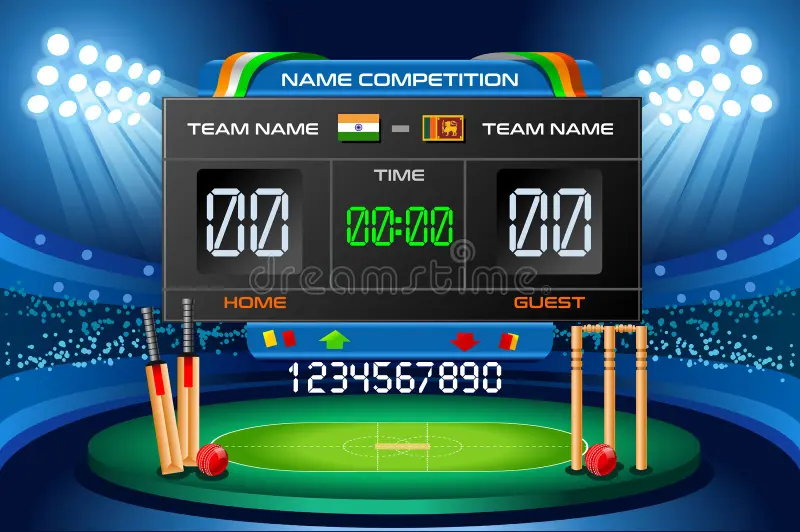

Cricketeer scoreboard have evolved from simple manual boards to sophisticated digital displays that enhance the viewing experience for players, spectators, and officials alike. Whether you’re managing a local cricket club, organizing tournaments, or upgrading your facility, understanding modern cricket scoreboards is essential for delivering professional-quality matches.
What is a Cricket Scoreboard?
A cricket scoreboard is a display system that shows real-time match statistics during a cricket game. It provides crucial information including runs scored, wickets fallen, overs bowled, current batsmen, bowlers, and other vital match data. Modern scoreboards range from traditional manual flip boards to advanced electronic LED displays with wireless connectivity.
Types of Cricket Scoreboards
Manual Cricket Scoreboards
Traditional manual scoreboards use numbered panels or flip cards that operators update manually throughout the match. While cost-effective, they require constant attention and are prone to human error. These remain popular in grassroots cricket and smaller clubs with limited budgets.
Digital Cricket Scoreboards
Digital scoreboards utilize LED or LCD technology to display match information electronically. They offer several advantages including automatic updates, multiple data points, and enhanced visibility. These systems integrate with scoring software and can display advertising content between overs.
Portable Cricket Scoreboards
Portable scoreboards are lightweight, mobile solutions ideal for tournaments, traveling teams, and multi-purpose grounds. They typically feature easy setup, battery operation, and weather-resistant construction. Many portable models now include wireless connectivity for remote updates.
LED Cricket Scoreboards
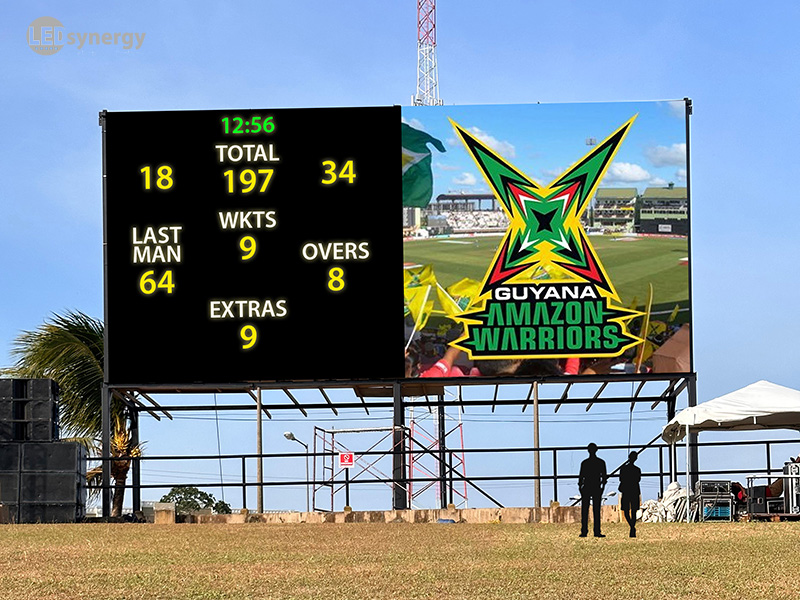
LED scoreboards provide the highest visibility with bright, clear displays readable in direct sunlight. They’re energy-efficient, durable, and can show multiple colors for different information types. Premium LED systems offer customizable layouts and can integrate with broadcast equipment.
Key Features to Consider
Display Information
Modern cricket scoreboards should display comprehensive match data including total runs, wickets, overs, run rate, individual batsman scores, bowler statistics, and extras. Advanced models also show partnerships, required run rate, and player names with clear, readable fonts.
Connectivity Options
Wireless connectivity allows scorers to update the board remotely from the pavilion or scoring box. Bluetooth and WiFi-enabled scoreboards reduce cabling requirements and provide flexibility in placement. Some systems connect directly to popular cricket scoring apps and software.
Weather Resistance
Outdoor cricket scoreboards must withstand various weather conditions including rain, wind, and intense sunlight. Look for IP-rated enclosures, corrosion-resistant materials, and UV-protected displays. Quality weather sealing extends the lifespan significantly.
Size and Visibility
Scoreboard dimensions should match your ground size and viewing distances. Larger grounds require bigger displays with taller digit heights. Consider character size, brightness levels, and viewing angles to ensure spectators throughout the venue can read the board clearly.
Power Options
Scoreboards may operate on mains electricity, solar power, or battery backup. Solar-powered systems reduce operating costs and provide independence from power infrastructure. Battery backup ensures continuous operation during power outages.
Benefits of Digital Cricket Scoreboards
Digital scoreboards eliminate manual updating errors and provide instant, accurate information to everyone at the ground. They enhance the professional appearance of matches, improve spectator engagement, and reduce the workload on scoring staff. Advanced systems can also generate revenue through advertising displays between overs.
The automation of digital systems allows scorers to focus on accurate data entry rather than physical board updates. Real-time synchronization ensures players, umpires, and spectators all see identical information simultaneously, reducing disputes and confusion.
Installation and Setup Considerations
Proper scoreboard placement ensures maximum visibility for all spectators while avoiding interference with play. Consider sight screens, sun position throughout the day, and potential obstructions when selecting installation locations. Electrical access, network connectivity, and maintenance access should also factor into placement decisions.
Professional installation ensures secure mounting, proper weatherproofing, and optimal viewing angles. Many suppliers offer installation services including structural assessment, mounting hardware, and initial setup. Budget for ongoing maintenance including cleaning, bulb replacement, and software updates.
Integration with Scoring Software
Modern cricket scoreboards integrate seamlessly with popular scoring applications like CricHQ, Play-Cricket, and MyCricket. This integration enables automatic updates from scoring devices like tablets and laptops. Real-time data synchronization eliminates manual entry and reduces errors.
Cloud-based scoring systems allow remote access to match data, enabling live streaming of scores to websites and mobile apps. This connectivity keeps supporters informed regardless of their location and enhances your club’s digital presence.
Maintenance and Durability
Quality cricket scoreboards require minimal maintenance but benefit from regular cleaning and inspection. LED displays typically last 50,000 to 100,000 hours with proper care. Periodic checks of connections, seals, and mounting hardware prevent issues before they affect operation.
Protective covers extend scoreboard life during off-seasons. For regions with harsh winters, consider removable displays or additional weatherproofing. Most manufacturers offer warranty coverage and replacement parts for major components.
Cost Considerations
Cricket scoreboard prices vary widely based on size, features, and technology. Manual scoreboards start around $200-$500, while basic digital models range from $1,000-$3,000. Professional LED scoreboards for major grounds can exceed $10,000-$50,000 depending on size and capabilities.
Consider total cost of ownership including installation, maintenance, and operating expenses. While digital scoreboards have higher upfront costs, they often provide better long-term value through reduced labor and improved functionality. Many suppliers offer financing options for larger installations.
Choosing the Right Scoreboard for Your Needs
Assess your specific requirements including ground size, match frequency, budget, and desired features. Small clubs hosting occasional matches may find manual or basic digital boards sufficient, while active venues running regular competitions benefit from advanced wireless systems.
Consider future needs when making your selection. Scalable systems that allow feature additions as your budget grows provide better long-term value. Consult with multiple suppliers, request demonstrations, and speak with other clubs about their experiences before making final decisions.
Popular Brands and Manufacturers
Leading cricket scoreboard manufacturers include Scoreboard Solutions, All American Scoreboards, Daktronics, and various regional suppliers. Research each manufacturer’s reputation, warranty terms, and customer support quality. Local suppliers often provide better service and faster response times for maintenance issues.
Read customer reviews and case studies to understand real-world performance. Many manufacturers showcase installations on their websites, providing insights into different models and configurations. Request references from clubs with similar requirements to yours.
Frequently Asked Questions (FAQs)
What information should a cricket scoreboard display?
A standard cricket scoreboard should show the batting team’s total runs, wickets lost, overs bowled, current run rate, individual batsman scores with their names, current bowler’s statistics, and extras. Advanced scoreboards also display partnerships, required run rate for the chasing team, last wicket details, and player strike rates.
How much does a cricket scoreboard cost?
Cricket scoreboard costs range from $200 for basic manual boards to over $50,000 for large professional LED systems. Entry-level digital scoreboards cost $1,000-$3,000, mid-range wireless LED boards run $5,000-$15,000, and premium tournament-grade systems exceed $20,000. Installation, mounting hardware, and software typically add 15-25% to the base price.
Can cricket scoreboards work with mobile scoring apps?
Yes, most modern digital cricket scoreboards integrate with popular mobile scoring applications including CricHQ, Play-Cricket, MyCricket, and CricketStatz. These integrations use WiFi or Bluetooth connectivity to automatically update the scoreboard as you enter data on your smartphone or tablet, eliminating manual board updates.
Are cricket scoreboards weatherproof?
Quality outdoor cricket scoreboards feature weatherproof construction with IP65 or higher ratings, protecting against rain, dust, and moisture. Look for sealed enclosures, corrosion-resistant materials, and UV-protected displays. However, extreme weather resistance varies by model, so verify specifications match your climate conditions before purchasing.
How visible are LED cricket scoreboards in sunlight?
Modern LED cricket scoreboards are specifically designed for outdoor visibility with brightness levels of 5,000-10,000 nits or more, making them clearly readable even in direct sunlight. High-contrast displays, anti-glare coatings, and adjustable brightness settings ensure optimal visibility throughout the day under various lighting conditions.
What size cricket scoreboard do I need for my ground?
Scoreboard size depends on viewing distance and ground dimensions. As a general rule, character height should be 1 inch per 50 feet of viewing distance. For a ground where the farthest spectator is 300 feet away, you need at least 6-inch characters. Consult with suppliers who can assess your specific venue requirements.
How long do digital cricket scoreboards last?
Quality LED cricket scoreboards typically last 10-15 years with proper maintenance. LED modules have lifespans of 50,000-100,000 operational hours before brightness degrades noticeably. Electronic components may require replacement every 5-8 years depending on usage and environmental conditions. Regular maintenance extends overall lifespan significantly.
Can I add advertising to my cricket scoreboard?
Many digital cricket scoreboards include advertising capabilities, allowing you to display sponsor messages, logos, and rotating advertisements during breaks in play. This feature helps generate revenue to offset scoreboard costs. Ensure your chosen model supports advertising if this is important for your funding strategy.
Do cricket scoreboards require professional installation?
While some portable scoreboards offer DIY setup, permanent installations benefit from professional installation to ensure proper mounting, weatherproofing, electrical connections, and optimal positioning. Professional installers handle structural assessments, secure mounting at appropriate heights, and configure network connectivity for long-term reliability.
What’s the difference between LCD and LED cricket scoreboards?
LED scoreboards use light-emitting diodes that are brighter, more visible in sunlight, more energy-efficient, and more durable than LCD displays. LCDs work better indoors and cost less but struggle with outdoor visibility and have shorter lifespans. For outdoor cricket grounds, LED technology is strongly recommended despite higher initial costs.
Can cricket scoreboards be controlled wirelessly?
Yes, most modern cricket scoreboards feature wireless control via WiFi or Bluetooth connections. Scorers can update the board from laptops, tablets, or smartphones located in the pavilion or scoring box. Wireless operation eliminates cable runs across the ground and provides flexibility in scorer positioning.
What maintenance do cricket scoreboards require?
Cricket scoreboards require periodic cleaning to remove dirt and debris, inspection of mounting hardware and connections, verification of weatherproofing seals, and software updates. LED modules rarely need replacement during the warranty period. Schedule annual professional inspections and clean displays monthly during the season for optimal performance and longevity.