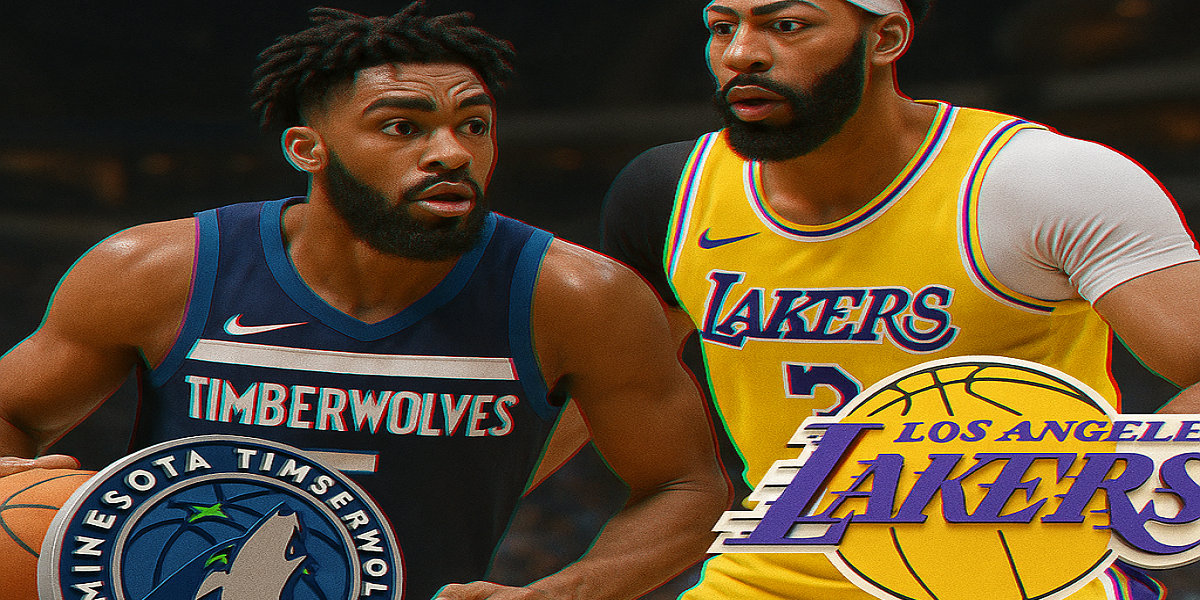

When the Minnesota Timberwolves face the Los Angeles Lakers, it feels like two different basketball styles colliding. You get old school star power with LeBron and Anthony Davis on one side, and rising firepower from Anthony Edwards and a deep Wolves lineup on the other.
This guide walks through Minnesota Timberwolves vs Lakers match player stats in a way that any fan can understand. Instead of drowning you in numbers, it explains what points, rebounds, assists, shooting splits, and a few light advanced stats really say about how the game was won.
To keep things clear, we will use a single regular season style matchup as a running example. The exact numbers are simple examples, not a record of one specific night, but they mirror what you see in a real box score. By the end, you will know how to read those numbers and spot who actually controlled the game.
Game Overview: How the Timberwolves vs Lakers Match Unfolded
For this breakdown, picture a recent Wolves vs Lakers game in Minneapolis where Minnesota pulled out a tight win at home. Think of a final score in the mid 110s for the Wolves and just below that for the Lakers. Enough points to be fun, but not a wild shootout with no defense.
The first quarter played out like a feeling out round. The Lakers leaned on LeBron to probe the defense, and Anthony Davis attacked early post touches. The Wolves answered with Anthony Edwards attacking in transition, plus Karl-Anthony Towns spacing to the three point line. The score stayed close, with neither team building more than a two possession lead.
The game started to flip in the second quarter when Minnesota’s bench pushed the pace. A couple of Naz Reid threes and strong drives from Edwards gave the Wolves a small cushion heading into halftime. The Lakers stayed in it with free throws and offensive rebounds, but their half court offense looked a bit stuck when LeBron sat.
The third quarter turned into a classic swing period. LeBron pressed harder as a scorer, AD went back to the paint, and the Lakers briefly grabbed the lead. Then Minnesota’s defense tightened, Rudy Gobert controlled the glass, and a late run by Edwards and Towns restored a slim Wolves edge.
In the fourth, the game came down to execution. Minnesota’s stars hit enough tough shots, Gobert protected the rim without fouling, and the Wolves guards made smart plays. The Lakers had chances, but a few missed threes and late turnovers showed up in the numbers and on the scoreboard.
Final score, pace, and key turning points
Imagine a final score around 115–109, which would be a solid offensive night for both sides. That kind of total usually means a medium to fast pace, with both teams getting into transition at times, not just grinding in the half court.
The pace showed up in quick outlets off long rebounds for the Wolves, plus push ahead passes from LeBron for the Lakers. Still, the most important swings were not just about speed, but about timing.
A few turning points any fan would spot on a highlight reel:
- A third quarter Wolves run sparked by an Edwards three and a transition dunk, which flipped a small deficit into a small lead.
- A stretch where Gobert blocked or altered several Lakers shots at the rim, forcing them into jumpers late in the shot clock.
- A clutch pull up three by Towns in the final two minutes that stretched the lead just enough to make every remaining Lakers miss feel huge.
Those moments show up on the stat sheet as runs in scoring, blocks, plus minus shifts, and clutch shooting percentages.
Team stats comparison: Timberwolves vs Lakers
Here is a simple sample team stats comparison that looks a lot like a typical Wolves win against the Lakers. These are example numbers, but they match the kind of box score you often see.
| Team stat | Timberwolves (example) | Lakers (example) |
|---|---|---|
| Field goal % | 47% | 45% |
| Three point % | 38% | 33% |
| Free throws (made/att) | 21 / 25 | 24 / 30 |
| Total rebounds | 47 | 42 |
| Assists | 26 | 23 |
| Turnovers | 12 | 15 |
| Points in the paint | 48 | 46 |
Here is how to read this in plain language:
- Minnesota shot a bit better from the field and from three, which hints at cleaner looks and stronger spacing.
- The Lakers drew more free throws, which fits a style where LeBron and AD attack the rim and invite contact.
- The Wolves won the rebounding battle, especially on the defensive glass, which limited Lakers second chances.
- A small assist edge for Minnesota shows the ball moved well, and their lower turnover count kept them from wasting possessions.
Once you understand this team level picture, the individual player stats make a lot more sense.
Timberwolves Player Stats: Who Powered Minnesota’s Performance
Minnesota’s win usually starts with Edwards and Towns, backed by Gobert’s defense and one or two role players who swing the game with smart play. Here is how those player stats might look and what they mean.
Anthony Edwards stats vs Lakers
In a typical strong outing against the Lakers, Edwards might land somewhere in the high 20s in points, on decent shooting splits like around 47 percent from the field, 36 percent from three, and solid work at the free throw line. Add 5 to 7 rebounds and 4 to 6 assists, and you get a clear “all around star” line.
The raw points tell you he carried a big scoring load, but the real story is in how he scored. Against the Lakers, Edwards often does his best work attacking the rim in transition or off high ball screens. When his free throw attempts are high, you know he drove hard instead of settling.
A couple of steals and only a few turnovers show focus on both ends. If he hit a step back three over a contest from LeBron in the fourth quarter, that clutch bucket shows up as one made three, but fans remember it as the shot that broke the Lakers’ momentum. That is where box score stats and the eye test connect.
Karl-Anthony Towns impact: scoring, spacing, and fouls
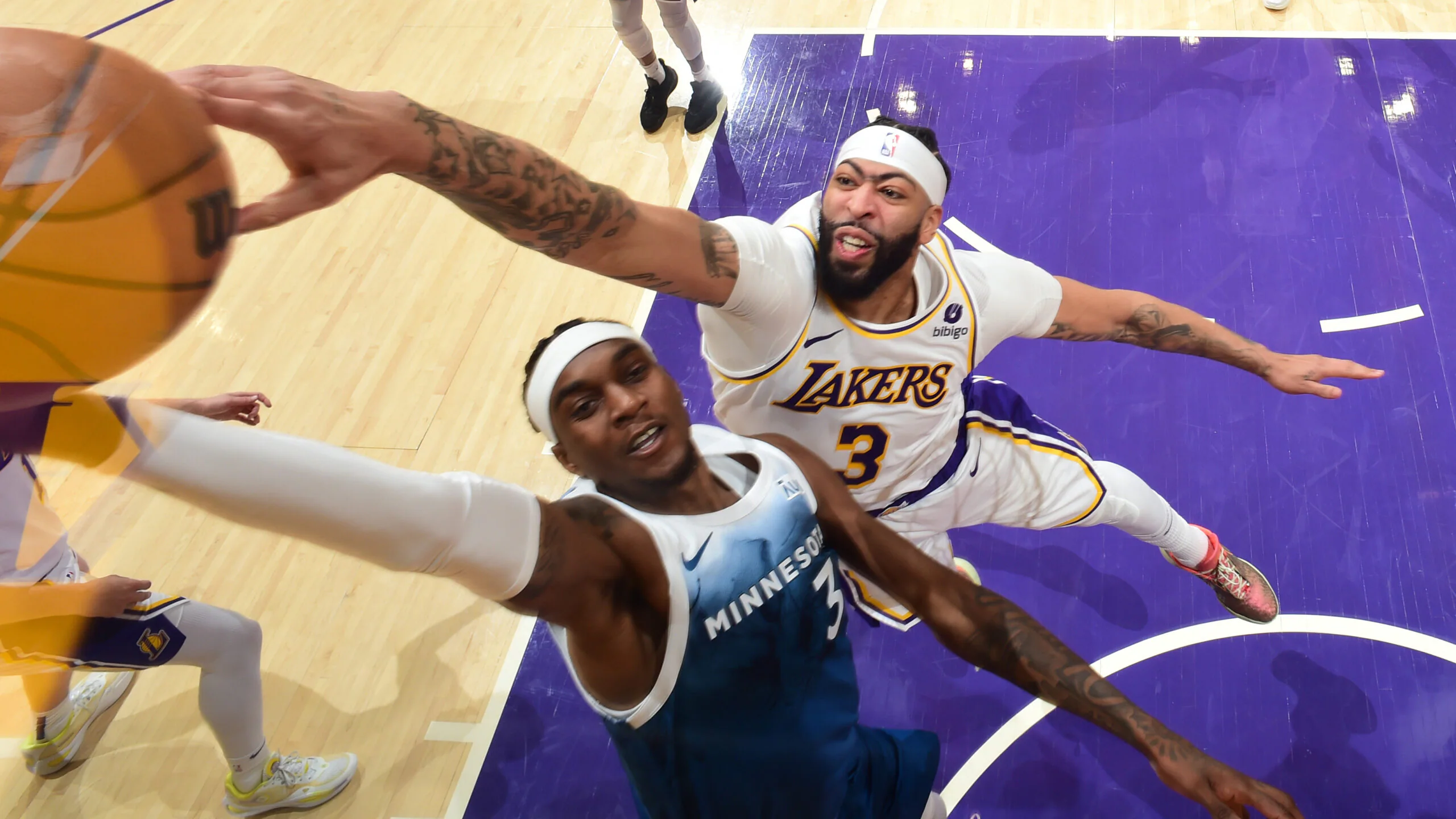
Towns often posts something like low to mid 20s in points, with good efficiency. Think around 14 to 16 shots, including 5 to 7 threes, hitting a strong share of those outside attempts. Add 7 to 9 rebounds and a few assists, and you see how he shapes the offense.
His real impact against the Lakers comes from spacing. When KAT stands above the break or in the corner, he drags Anthony Davis or another big away from the paint. Even if he “only” scores in the low 20s, his gravity opens clean driving lanes for Edwards and cuts for other Wolves.
If foul trouble hits, his minutes and rhythm can dip. Four quick fouls might force him to sit late in the third quarter, which often lines up with a Lakers run. When you scan a box score, KAT’s personal fouls and minutes played tell you whether Minnesota had him on the floor for the key stretches.
Rudy Gobert and the Timberwolves defense vs Lakers stars
Gobert’s line against the Lakers usually looks like a double digit rebound night, with 12 to 16 boards, a handful of points on lobs and putbacks, and 2 to 3 blocks. His field goal percentage is often high because almost all his shots are at the rim.
The more interesting story hides in the Lakers’ paint numbers. When Gobert is on the floor, their field goal percentage at the rim often drops. They either miss more layups or they stop driving as often and settle for midrange shots or threes.
Blocks in the box score are nice, but even contests that do not show as blocks matter. If you see that the Lakers scored fewer points in the paint and shot a weaker percentage near the basket, you can safely credit a lot of that to Gobert’s presence.
Key Timberwolves role players: shooting, hustle, and bench scoring
Every Wolves vs Lakers matchup seems to feature one role player who swings the night. It might be Mike Conley with 12 quiet points, 7 assists, and only 1 turnover that steadies the offense. It might be Jaden McDaniels hitting three threes and locking in on defense.
Or it could be Naz Reid, dropping a quick 15 off the bench with energy, threes, and drives at slower bigs. When you check the box score, look for bench players with strong plus minus numbers, a couple of threes, or a flurry of hustle stats like offensive rebounds, steals, or blocks. Those “little” lines often line up with the big momentum shifts you remember.
Lakers Player Stats: How Los Angeles Matched Up With Minnesota
On the Lakers side, almost every meaningful matchup against Minnesota runs through LeBron and Anthony Davis. Their numbers show how the team tried to solve Gobert, Towns, and the Wolves’ long wings.
LeBron James stat line vs Timberwolves defense
LeBron’s sample line in this matchup might be somewhere near 26 to 30 points, with 7 to 9 rebounds and 6 to 8 assists. His field goal percentage tells you a lot. If he is near 50 percent or better, he probably found a good mix of drives, post ups, and smart threes. If he sits closer to the low 40s, the Wolves likely walled off the paint and forced harder jumpers.
Turnovers and free throws matter too. A higher turnover count often means Minnesota showed him crowds in the lane and sent timely double teams. If his free throw attempts are low, it suggests the Wolves kept bodies in front of him and avoided wild reach ins.
You can also tell whether he leaned more as a scorer or passer. A night with lower points but double digit assists hints at a game where he trusted shooters and cutters. A big scoring night with only a few assists might mean he felt he had to carry the offense himself.
Anthony Davis in the paint: scoring, boards, and rim protection
Anthony Davis is the biggest chess piece in this matchup. A strong AD line might read as high 20s in points, 12 or more rebounds, a few assists, and 3 or 4 blocks. The key is where those points come from.
If most of his buckets are at the rim or in the short midrange, that tells you he won a lot of possessions against Gobert and Towns. Strong offensive rebound numbers show he punished Minnesota on the glass. If you see more long twos and fewer free throws, then the Wolves likely pushed him away from his comfort zone.
On defense, his blocks and contests shape the Wolves’ shot chart. Even if Edwards and Towns score, a strong AD night can hold Minnesota’s field goal percentage down in the paint. When you read the box score, pair his personal blocks and rebounds with the Wolves’ shooting numbers inside the arc.
Lakers guards and wings: shooting, playmaking, and spacing
The Lakers guards and wings usually decide how easy life is for LeBron and AD. A guard like D’Angelo Russell might put up mid to high teens in points with several threes and 5 to 7 assists. Austin Reaves might add double digit points, a few assists, and free throws from crafty drives.
If those guards shoot over 37 to 38 percent from three, the Wolves cannot just camp in the paint. That opens space for LeBron and AD to operate. When their three point percentages drop into the low 30s or worse, Minnesota can load the lane and live with outside misses.
Turnovers from this group also reveal the flow of the Lakers offense. A clean game from the guards usually pairs with a smooth assist total and fewer easy runouts for Minnesota. A sloppy night shows up fast on the scoreboard and in the transition points column.
What the Player Stats Tell Us About Future Timberwolves vs Lakers Games
Looking across these stat patterns, you can start to see what matters most the next time these teams meet. Star lines matter, but the shape of those lines tells the real story.
If Edwards scores a lot, gets to the line, and posts decent efficiency, Minnesota usually has enough offense to hang around any night. When you pair that with KAT’s spacing and Gobert’s rebounding, the Wolves can control the glass and the rim, which forces the Lakers into tougher shots.
On the Lakers side, strong nights from both LeBron and AD at the same time are almost a requirement to beat a locked in Wolves team. If one of them struggles with efficiency, foul trouble, or turnovers, the Lakers need a huge boost from their guards and wings just to keep pace.
Advanced ideas like efficiency and usage rate sound scary, but in practice they are simple. Efficiency just means how many points a player scores for each shot or trip to the line. Usage is how often that player finishes possessions with a shot, free throw, or turnover. When a star has high usage with good efficiency, that is usually a big problem for the other team.
Key takeaways from Minnesota and Los Angeles player numbers
Here are a few easy ideas to remember when you look at Wolves vs Lakers box scores:
- Minnesota usually wins when Edwards attacks the rim, KAT hits threes, and Gobert owns the boards.
- The Lakers are at their best when LeBron’s assists are high and AD lives in the paint, not on long jumpers.
- Hot shooting from Lakers guards forces Minnesota to guard the whole floor, which opens the lane for drives and lobs.
- Role players who hit timely threes and bring energy on defense often swing a close score more than you expect.
How to read player stats to understand this matchup better
When you watch the next Timberwolves vs Lakers game, keep a box score open on your phone. You do not need advanced math to see what is going on.
Start with points, but always check field goal percentage and three point percentage beside them. A 30 point night on 20 shots is very different from 30 points on 35 shots. Look at free throw attempts to see who attacked and who settled.
Rebounds tell you who controlled the glass. Assists show who moved the ball and created looks. Turnovers reveal which players made risky choices or faced the toughest defense. Plus minus is not perfect, but if a player is deep in the positive over big minutes, it usually means good things happened when he was on the court.
Most of all, try to see how the stars and role players fit together. The stats are a picture of teamwork, not just a ranking of who scored the most.
Conclusion
The next time the Minnesota Timberwolves and Los Angeles Lakers face off, the box score will tell you almost everything you need to know about how the night went. Points, rebounds, assists, shooting splits, and a few simple advanced ideas can paint a clear picture of who really controlled the game.
You will see Edwards’ drives, Towns’ spacing, and Gobert’s rim protection in Minnesota’s lines. On the Lakers side, LeBron’s blend of scoring and passing, AD’s work in the paint, and the guards’ shooting will stand out.
Use those numbers as a second screen to what your eyes see. Check them at halftime, then again after the final buzzer. Over time, you will start to spot patterns that make every Timberwolves vs Lakers matchup even more fun to follow.