The lights hit the stage, the band fades out, and Dave Chappelle walks to the center of the Saturday Night Live studio. People in the crowd lean forward. Some are smiling, ready to laugh. Others look tense, unsure what he is about to say.
At home, many viewers feel the same way. When Chappelle hosts SNL, it never feels like a normal comedy bit. It feels like a risky speech with jokes wrapped around it.
An SNL monologue is the opening talk the host gives at the start of the show. It is usually a fun, warm way to start the night. With Dave Chappelle SNL monologue moments, it often turns into something bigger. He mixes jokes with sharp comments about race, politics, and power.
This post walks through what he talks about in his SNL monologues, why they stir so much debate, and what the reaction says about comedy, cancel culture, and free speech today.
Quick Background: Who Is Dave Chappelle and Why His SNL Monologue Matters
Dave Chappelle is one of the most famous stand-up comics of his time. He first broke through with his Comedy Central show, “Chappelle’s Show,” in the early 2000s. The sketches mixed silly jokes with sharp takes on race, police, and pop culture. Many people still quote those sketches today.
After walking away from the show at the height of its success, he spent years doing stand-up in smaller spots. Later, he came back with a long run of Netflix specials. These specials won awards and pulled in huge audiences, but they also sparked heavy arguments, especially around his jokes about gender and trans people.
Chappelle is known for mixing funny stories with blunt social commentary. He often talks about race, gender, fame, and current events. Because of that, news outlets, fans, and critics all pay close attention when he steps onto the SNL stage. They expect more than simple jokes. They expect a point of view that will set social media on fire.
Dave Chappelle’s style: bold jokes, tough topics, big reactions
Chappelle’s style feels fearless to many fans. He takes on topics other comics avoid or only touch lightly. His jokes can be harsh or uncomfortable, but they are usually built around a clear idea, like hypocrisy or double standards.
He likes to:
- Set up an easy, familiar story.
- Add a shocking or risky twist.
- Pause and let the crowd react.
- Then explain, in a simple way, what he thinks that story shows about real life.
To some people, this makes him one of the sharpest voices in comedy. They see his work as honest and thoughtful, even when it stings. To others, the same jokes feel cruel or lazy. They hear the targets of the jokes more than the bigger point behind them.
This split is part of why his SNL monologues spread so fast on YouTube and social platforms. Clips get cut into short videos, shared with different captions, and used to argue for very different views.
Why Dave Chappelle’s SNL monologues are treated like big events
Chappelle has hosted SNL during some tense moments in the United States. He spoke right after a presidential election, after major protests, and during heated public fights about speech and identity.
Over time, viewers started to expect a kind of comedic “state of the union” from him. When he walks out to do the monologue, people are not only asking, “Will this be funny?” They are also asking, “What will he say about what just happened in the country?”
Because of that history, every new Dave Chappelle SNL monologue feels like an event, not just a sketch. Fans wait for it, critics prepare to write about it, and clips are ready to be pulled and posted online before the show even ends.
Breaking Down Dave Chappelle’s SNL Monologue: Main Jokes and Big Themes
Chappelle’s SNL monologues change with the news cycle, but the core themes stay similar. He talks about who has power, who gets blamed, and who gets protected. The jokes ride on that tension.
Key topics Dave Chappelle tackled in his SNL monologue
Across his SNL appearances, Chappelle has focused on a few recurring topics:
Politics:
He often jokes about presidents, elections, and how voters see themselves. The targets are usually both sides. He points out how politics can turn into a team sport, where people cheer for “their side” more than they care about real solutions.
Race and racism:
Race sits at the center of much of his material. In monologues, he has talked about how Black Americans experience police, the justice system, and the news. He sometimes mocks white fear or guilt, and he often highlights different rules he says apply to different groups.
Celebrity scandals:
Chappelle has joked about figures like Kanye West and Kyrie Irving, especially when their actions tie into larger stories about hate, money, or speech. He uses their stories as symbols for bigger problems, like how quickly the public turns on people or how punishment can feel uneven.
Cancel culture:
He often pushes back on what he sees as strict speech rules online. He jokes about people “getting canceled,” then points out that some very rich, very famous people claim to be canceled while still having large platforms.
Media and big business:
He makes jokes about tech companies, studios, and news outlets, and how they shape what people see and talk about. The humor often targets gatekeepers, not just individuals.
In general, he aims his jokes upward, at powerful groups or public figures. Critics, however, argue that the people who feel the pain are often regular members of marginalized groups, not the rich or famous people on the screen.
How he used humor to talk about race, power, and double standards
Race and power are the backbone of many Chappelle monologues. On SNL, he has tied current stories to long histories of racism and inequality.
For example, when he talked about police violence in past monologues, he compared the way different communities are treated by law enforcement. He used simple, blunt comparisons. The laugh often came from the audience recognizing that something unfair had been hiding in plain sight.
When he spoke about antisemitism and Kanye West, he joked about the rules for talking about Jewish people in Hollywood. The bit played on a tricky idea: that there are stereotypes and fears that everyone knows, but no one feels safe saying out loud. Some viewers thought he was mocking bigots and pointing at the strange way hate spreads. Others felt he was repeating old, harmful ideas about Jewish control and giving cover to people who truly hate Jews.
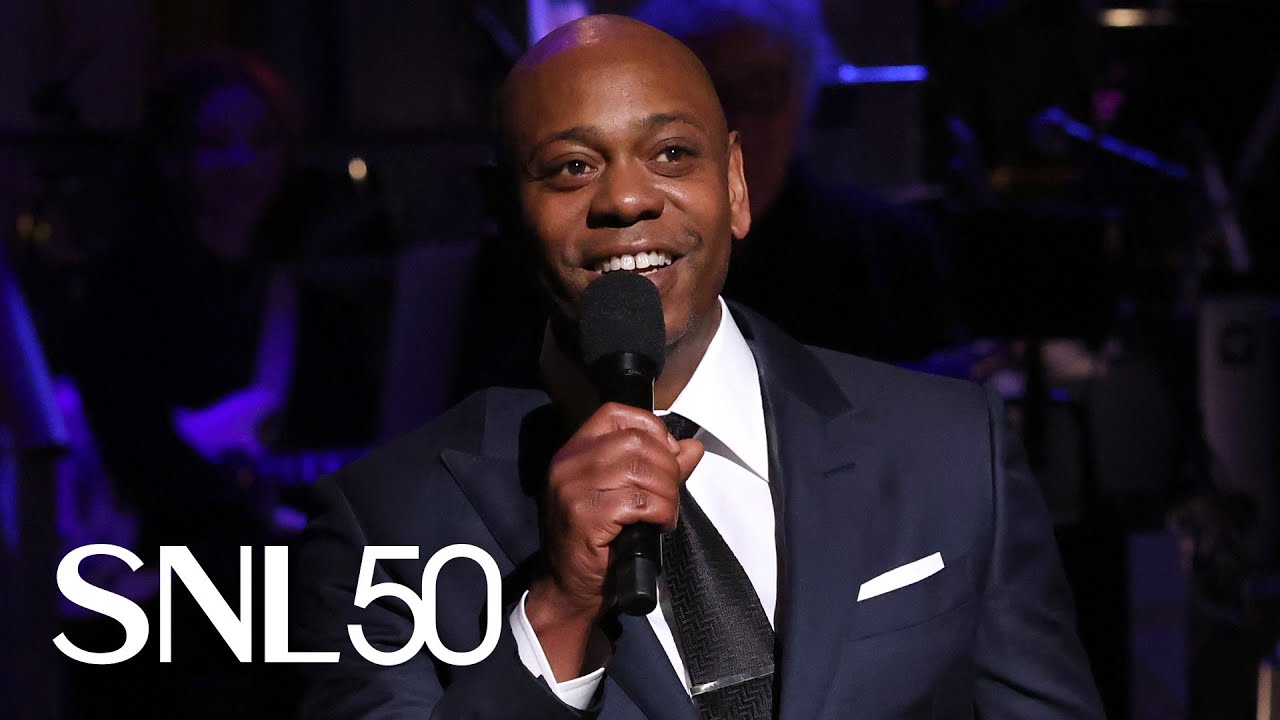
That mix is key to understanding the reaction. Many people heard a smart point about double standards. They felt he was saying, “Look at how our rules about who you can joke about are twisted.” Others heard the same words and felt the impact as another punch at a group that already faces real danger.
Moments that made the audience laugh, pause, or feel uncomfortable
Watching a Dave Chappelle SNL monologue is not a smooth ride. The emotions swing often.
There are moments when the crowd bursts into loud, easy laughter. These usually come from relatable stories, like family bits, everyday annoyances, or quick one-liners about public figures who seem untouchable.
Then there are the tight moments. He lands a joke about race, gender, or religion, and the room does not laugh in unison. Some people clap, some laugh a little too loudly, and others stay quiet. At home, viewers may shift in their seats or grab their phones.
Chappelle often uses that tension on purpose. He pauses, looks around, and comments on how the room sounds. That pause is part of his style. It reminds everyone that this is not just a silly sketch, it is a live room full of people reacting to loaded ideas.
This push and pull between laughter and discomfort is what many fans love about him. They feel like he is saying what others are afraid to say. For people who feel targeted by the jokes, that same push and pull can feel more like a threat than a thrill.
Why Dave Chappelle’s SNL Monologue Was So Controversial
The reaction to his SNL monologues often splits into two large groups: supporters who praise the honesty, and critics who warn about real harm. Both sides usually care a lot about the issues at stake.
Supporters: Why many fans defended the SNL monologue
For many fans, Chappelle speaks a kind of rough truth. They see him as someone who will not back down just because a topic is sensitive or banned by online culture.
Common reasons supporters praise his monologues:
- Hard truths: They feel he says what others are thinking but will not say in public.
- Pushback on cancel culture: They like that he questions how fast people lose jobs or status over words, even when there is room for discussion or growth.
- Targeting power: Fans argue that his main targets are powerful groups, not ordinary people, and that his goal is to reveal double standards, not punch down.
- Thoughtful under the jokes: Many fans point to moments when he slows down and speaks more seriously. To them, those parts show he cares about the topics and is not just chasing shock value.
Online, supporters share clips with comments like “needed to be said” or “this is real comedy.” Opinion pieces in his favor often frame him as a test case for whether comedy can still challenge social rules.
Critics: Why others said the monologue went too far
Critics come from many backgrounds. Some are activists, some are writers, and some are just viewers who felt hurt.
Their main concerns often include:
- Recycling stereotypes: They argue that jokes about groups like trans people, Black people, or Jewish people echo old hateful ideas, even if the intent is to question power.
- Making light of real danger: When hate crimes or harassment are rising, jokes about those same groups can feel unsafe, not brave.
- Impact over intent: Critics stress that what a joke does in the real world matters more than what the comic says they meant. Even if Chappelle claims he is joking about power, the words might still give cover to bullies or bigots.
- Who gets to laugh: Some say that if a joke makes a protected group feel scared while another group laughs, that is a sign the joke missed the mark.
For these viewers, the monologue was not just “offensive.” It felt like part of a larger pattern of TV and media using their identities as punchlines.
The bigger debate: free speech, cancel culture, and comedy on TV
Chappelle’s SNL monologues sit at the center of larger debates.
When people talk about free speech here, they often mean the right to say controversial things without being jailed or shut down by the government. SNL, Netflix, and other platforms are private companies. They cannot send anyone to prison, but they can choose who gets the mic.
When people talk about cancel culture, they are usually talking about public backlash. That can look like calls for boycotts, demands to remove a show, or pressure on companies to drop a performer. Some see this as healthy public criticism. Others see it as a mob that punishes any mistake.
TV networks sit in the middle. They want bold, interesting content that brings ratings. They also answer to advertisers, staff, and viewers who expect some level of care and safety.
With Chappelle, that tension shows clearly. Keeping him on the air sends one message about creative freedom. Dropping him would send a very different message about who gets to joke about what.
There is no simple answer here. Many people care deeply about both open speech and protection from hate. The fight over his SNL monologue shows how hard it is to balance those goals in a time when every joke can be clipped, shared, and argued over in minutes.
What Dave Chappelle’s SNL Monologue Tells Us About Comedy Today
If you step back from the arguments, Chappelle’s SNL monologues reveal a lot about where comedy sits today.
How audiences are changing what comedians can get away with
Audiences are more active now. Younger viewers, online communities, and fans from different cultures can speak out instantly. A moment that might have passed without comment in the 1990s now becomes a trending topic by morning.
This has real effects:
- Some comics rewrite material after big backlashes.
- Others change because they listen and decide they want to grow.
- Some dig in deeper, leaning on “free speech” as a core value of their act.
- Networks review clips more closely and sometimes cut or edit pieces for streaming.
In this environment, Chappelle serves as a test. How far can a big network let a comic go before the cost becomes too high, either in money or trust?
Finding the line between sharp comedy and harmful speech
There is no single line that works for everyone. A joke that feels clever to one person might feel like a threat to another.
When you watch a monologue like Chappelle’s, it can help to think about:
- Intent: What point is he trying to make?
- Context: What is happening in the country at that time? Who already feels unsafe?
- Impact: Who laughs, who feels seen, and who walks away feeling smaller?
You can enjoy a comedian and still question some of their material. You can dislike a joke and still think the person should be allowed to speak. The real challenge is holding both ideas at once and staying honest about why something made you laugh or made you angry.

Conclusion
Dave Chappelle’s SNL monologue sits at the crossroads of comedy, culture, and free speech. He talks about politics, race, cancel culture, and power, and he does it in a way that makes some people cheer and others feel deeply hurt.
The strong reaction comes from more than just a few risky lines. It reflects a bigger struggle over what comics should say on huge platforms, how much weight jokes carry, and how we treat groups that already face real harm.
If you choose to watch or rewatch his monologue, try paying attention to both your laughs and your flinches. Which parts feel sharp and honest to you, and which parts feel like they cross a line? In your own mind, how do you decide when a joke has gone too far?